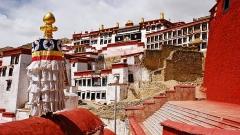
Traveling to Tibet by train is more than a way to reach Lhasa. For many visitors, it is an unhurried introduction to the plateau: the landscape changes gradually, the route crosses high mountain country, and the journey itself becomes part of the itinerary. The railway also offers a practical alternative to flying, especially for travelers who want to see more of western China before arriving in Tibet. Yet a train ticket alone does not solve every planning question. Tibet travel permits, altitude, connections, seasonal demand, and the rules that apply to foreign visitors all need attention. This guide explains why more travelers choose the train, what the journey is really like, how to prepare responsibly, and where China Dragon Travel may fit into the planning process. The aim is not to promise an effortless trip, but to help you decide whether rail travel suits your schedule, comfort level, and interests.
Key Points
- The Qinghai–Tibet Railway offers a gradual, scenic approach to Lhasa, but it is not a substitute for careful altitude planning.
- Train travel can be rewarding for the landscapes and the experience, while flights are usually faster and may suit tighter schedules.
- Foreign travelers generally need to arrange Tibet entry documents through an authorized travel agency and follow the applicable tour requirements.
- Booking strategy, route choice, season, and onward transport can make a major difference to the comfort and cost of the journey.
- China Dragon Travel can help coordinate a Tibet itinerary, but travelers should confirm current services, inclusions, and permit arrangements directly before booking.
Why Choose the Train to Tibet?
The train appeals to travelers for reasons beyond price or convenience. It changes the pace of a trip. Instead of moving from one city to another in a few hours, passengers spend a longer stretch watching China’s geography unfold through the window. On many routes, the transition from inland regions to the high plateau becomes one of the strongest memories of the journey.
The railway is also a practical choice for visitors who want to connect Tibet with destinations such as Xining, Lanzhou, Chengdu, or other major rail hubs. Depending on the route and timetable available for your travel date, a train may let you combine a city stop, a rail journey, and time in Lhasa without returning to an airport. Actual schedules and ticket availability vary, so check the operating timetable for your dates rather than relying on a route plan seen in an older guide.

Hoh Xil Nature Reserve
The Landscape Becomes Part of the Itinerary
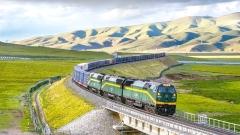
The Qinghai–Tibet Railway crosses a vast and visually changing region. Depending on the section and conditions, passengers may see open grassland, distant mountains, broad river valleys, and settlements set against an expansive plateau. The experience is different from viewing the same terrain from an aircraft: the train moves at ground level, giving travelers more time to notice how the scenery changes.
Not every view is dramatic, and visibility depends on weather, time of day, and the side of the train. Some stretches can feel long and remote. Still, for visitors who enjoy slow travel, photography, or simply looking out of the window, the railway turns transit into a substantial part of the trip rather than dead time between destinations.
A Different Arrival in Lhasa
Flying is often the fastest way to reach Lhasa, but a direct flight can take a traveler from a low-altitude city to a high-altitude destination in a relatively short time. Rail passengers spend longer in transit and may feel that the approach is more gradual. That said, no mode of transport guarantees protection from altitude sickness. The train reaches very high elevations, and passengers can experience symptoms during the journey or after arrival.
Treat the rail journey as a scenic way to travel, not as a medical acclimatization program. Rest after arrival, avoid strenuous activity at first, drink fluids according to your needs, and pay attention to symptoms. Anyone with health concerns should seek advice from a qualified medical professional before traveling to high altitude. Severe or worsening symptoms require prompt medical attention, not a change of itinerary alone.
A Good Fit for Slow and Connected Travel
A train journey can suit travelers who have enough time, prefer overland routes, or want to add a mainland China stop to their Tibet trip. It may also be attractive to visitors who find airports stressful or who enjoy the social rhythm of long-distance rail travel. Sleeper berths provide a place to rest, although comfort and sleep quality differ from person to person and from carriage to carriage.
The train is not automatically the cheapest option. Ticket class, departure city, booking timing, accommodation before and after the journey, and any connecting transport all affect the total cost. Compare the full itinerary rather than looking only at the face value of one ticket.
What the Qinghai–Tibet Train Journey Is Like?
The railway’s high-altitude section is one reason travelers are curious about the route. A typical journey to Lhasa involves a long ride, and the precise duration depends on the departure city and the service operating on the chosen date. Rather than assuming that every train has the same schedule, verify departure and arrival times through an official ticketing channel or a reputable booking provider.
The experience is generally simple: board, settle into your seat or berth, keep essentials close, and allow the landscape to do the work. Long-distance trains can be busy, particularly during popular travel periods. Noise, shared facilities, and limited privacy are normal considerations. Pack for a night or more on board, even if you expect to sleep through much of the journey.
Choosing a Seat or Sleeper
For a long trip, a sleeper berth is usually more comfortable than sitting upright for the entire ride. Ticket categories and cabin arrangements can vary by train. Hard sleepers are shared and more open, while soft sleepers generally offer fewer berths in a compartment and greater privacy. Availability can be limited, so book as early as the ticketing system permits, especially when traveling during busy holidays or peak sightseeing months.
If you are traveling with family or friends, consider whether you want berths together and whether everyone is comfortable sharing a compartment. Solo travelers should keep valuables secure and carry a small bag with items needed during the ride. A sleep mask, earplugs, a light layer, tissues, hand sanitizer, and a refillable water bottle can make the journey more comfortable.
Food, Water, and Onboard Essentials
Food service and availability may differ by train. Bring snacks that travel well, and do not assume that a preferred meal will be available at a particular time. Travelers with dietary restrictions should carry suitable options and check ingredients where possible. Hot water is commonly available on many Chinese long-distance trains, but facilities can vary; confirm what applies to your service and pack accordingly.
Carry any regular medication in its original packaging and keep it in your personal bag rather than checked luggage. Do not rely on buying a particular medicine on board. For altitude-related concerns, consult a clinician before departure instead of self-prescribing based on online advice. If you use supplemental oxygen or have a condition that may be affected by low oxygen levels, discuss the planned route and altitude with your healthcare provider well in advance.
Expect Changing Views and Changing Conditions
Mountain and plateau weather can change quickly. Clouds, rain, snow, or haze may limit visibility, and the best-known scenery is not guaranteed on every trip. Bring layers for the station, the train, and your first days in Lhasa. The carriage may feel warm while outdoor temperatures are low, so clothing that can be adjusted is more useful than one heavy coat.
A window seat can improve the experience, but not every ticket choice lets you select one. Keep expectations flexible and enjoy the journey as it unfolds. The value of the train is the overall experience, not a promise that every passenger will see a particular landmark at a particular time.
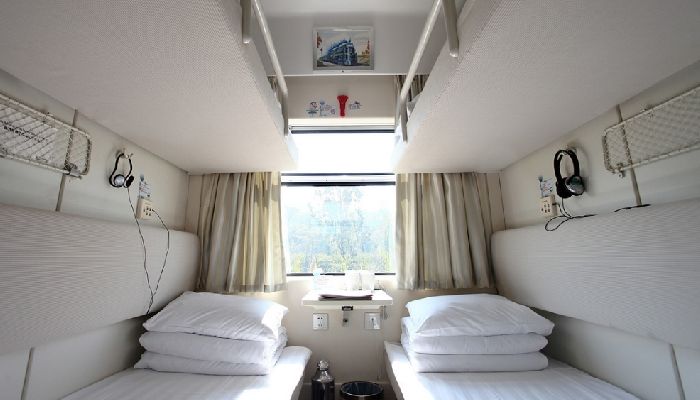
Soft Sleeper Compartment on the Qinghai-Tibet Railway
Train or Plane: Which Is Better for Tibet?
There is no single best way to reach Tibet. The right choice depends on your schedule, health, budget, departure city, and interest in the journey itself. A flight usually saves time and can make a short itinerary possible. A train provides a slower approach and a chance to travel overland, but it uses a substantial part of your trip and may require an additional connection to reach the departure station.
Some travelers combine modes: for example, arriving by train and leaving by air, or flying into one city and taking rail from another. Such a plan can reduce backtracking, but it needs careful coordination with permits, accommodation, and available transport. Leave a margin between separate tickets where possible. A delayed train or flight can affect a tightly planned connection, and a missed departure may be costly.
Choose the Train If the Journey Matters
Rail travel is a strong option if you have time to spare, enjoy long-distance journeys, and want to see more of the plateau approach. It may also suit an itinerary that already includes a rail-accessible city. If you are comfortable with shared facilities and a long ride, the experience can be as meaningful as the time spent at the destination.
Choose a flight instead if your leave is limited, the train schedule does not fit your route, or a long journey would be physically difficult. Travelers should not choose rail solely because they believe it will prevent altitude sickness; acclimatization is individual, and the route itself reaches high elevations.
Compare the Entire Door-to-Door Plan
A fair comparison includes travel to the departure station or airport, overnight accommodation, transfers, the cost of meals, and the time needed to recover after arrival. A low-priced ticket may not be the best value if it requires an inconvenient connection or an extra hotel night. Likewise, a flight can appear expensive until the time saved and the simpler itinerary are considered.
Build a realistic schedule with a buffer for transfers and rest. Avoid planning a strenuous hike or a packed sightseeing day immediately after arriving in Lhasa. A sensible first day is usually lighter, regardless of how you arrive.
Tibet Travel Permits and Planning Requirements
Tibet travel arrangements involve rules that are different from an ordinary independent trip in many parts of China. Requirements can depend on nationality, travel route, destination, and the regulations in force at the time of travel. Foreign visitors generally need a Tibet Travel Permit to enter the Tibet Autonomous Region, and independent travel arrangements may be restricted. Additional permits or approvals can apply for destinations outside Lhasa and other commonly visited areas.
Because rules and procedures can change, use an authorized Tibet travel agency to confirm what is required for your specific itinerary. Do not assume that a train ticket, Chinese visa, or hotel booking by itself is enough to enter Tibet. Ask how permits are arranged, what documents the agency needs, when the original documents will be delivered, and what happens if your route changes.
Confirm Documents Before Buying Nonrefundable Tickets
Coordinate the sequence of your bookings. Some travelers prefer to confirm their Tibet itinerary and document arrangements before purchasing nonrefundable transport. Others may need to secure rail tickets as soon as they become available. In either case, understand the refund rules and ask the agency how ticketing and permit timing work together.
Provide accurate passport details and check every spelling carefully. The information on travel documents and permits should match the details used for bookings. If your passport is renewed or your itinerary changes, tell the agency promptly so it can explain whether documents need to be updated.
Plan for the Whole Route, Not Just Lhasa
Lhasa is a common starting point, but travelers may want to visit other destinations in Tibet. Each extension can change the transport plan, required permits, driving time, and amount of time spent at altitude. Distances are significant, and overland travel can take longer than a map suggests. A realistic itinerary includes rest, time for weather or road conditions, and enough flexibility for the group’s pace.
Do not add remote locations simply to fit more names into a short trip. A smaller number of places can make for a more comfortable and meaningful visit. Discuss walking distances, elevation, accommodation standards, and vehicle arrangements before confirming an itinerary.
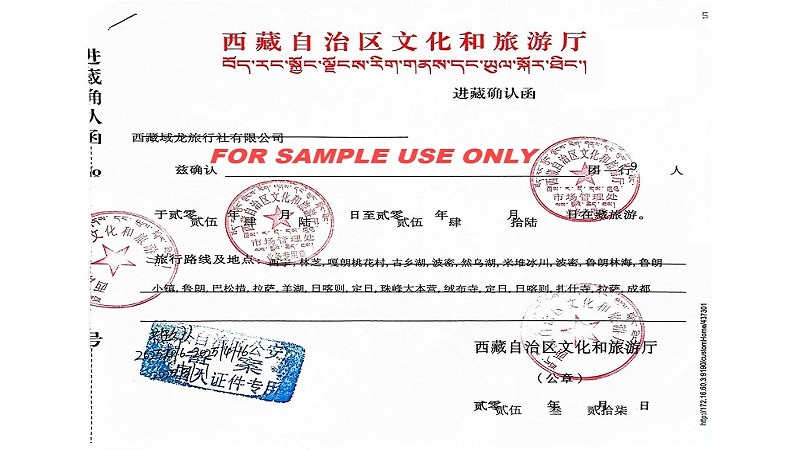
China Dragon Travel – Tibet Travel Permit
Preparing for Altitude and Comfort
Lhasa is at high altitude, and many rail journeys to the city pass through even higher terrain. People respond differently: some have mild symptoms, while others become seriously unwell. Fitness does not reliably predict who will be affected. A careful plan begins before departure and continues after arrival.
Speak with a healthcare professional if you have a heart, lung, or other significant medical condition, are pregnant, take regular medication, or have previously experienced altitude illness. Ask for advice tailored to your health and route. Do not depend on a travel agent or a general article for medical decisions.
Take the First Days Slowly
Allow time to rest after reaching Lhasa. Keep the first day’s plans light, avoid heavy exertion, and increase activity gradually if you feel well. Alcohol and strenuous exercise may make it harder to judge how your body is responding, so many travelers choose to avoid them at first. Follow medical advice about hydration and medication rather than forcing excessive water intake or trying an unverified remedy.
Know the warning signs that call for urgent attention. Severe headache, confusion, difficulty walking, breathlessness at rest, persistent vomiting, or symptoms that worsen should not be ignored. Seek medical help promptly. If a clinician advises descending to a lower altitude, follow that advice and do not let a fixed tour schedule take priority over health.
Pack for Practicality
Pack layers, comfortable shoes, sun protection, and personal medication. The plateau’s strong sun and cool evenings can make a hat, sunglasses, sunscreen, and a warm outer layer useful. Keep documents, cash, a phone charger, and essential medication accessible. A small day bag is easier to manage than repeatedly opening a large suitcase on a train.
Travelers should also consider phone connectivity, offline maps, and access to translation tools. Download key booking details before leaving reliable internet access. Store copies of passport and travel documents separately from the originals, while protecting personal information from unnecessary sharing.
When to Travel and How Far Ahead to Plan?
The most suitable season depends on what you want to see and how much cold, rain, or crowding you are willing to manage. Weather differs across Tibet and can change at altitude, so broad seasonal descriptions are only a starting point. Check conditions for each destination on your route and confirm local advice before departure.
Travel demand can rise around public holidays and popular vacation periods. Train tickets and suitable accommodation may become harder to secure at busy times. Book as early as the relevant systems and providers allow, and keep your plan flexible if your dates fall during a high-demand period. Avoid relying on old timetables or assumptions about ticket release dates; confirm current procedures for the service you intend to take.
If your travel dates are flexible, compare several departure days and consider whether a stop in the departure city would make the trip easier. A night in Xining or another rail hub can reduce the pressure of a same-day transfer and give you a chance to recover before boarding. The best plan is the one that fits your actual route, not a generic itinerary copied from another traveler.
How China Dragon Travel Can Help?
China Dragon Travel is a tour operator that can assist travelers planning a Tibet itinerary. Depending on the service offered for the requested dates, a travel agency may help coordinate permits, ground transport, accommodation, guides, and a broader route. These arrangements are especially useful for visitors who are unfamiliar with Tibet’s entry requirements or who want one point of contact for a multi-stop trip.
The train itself should be treated as one part of the plan. Before booking, ask China Dragon Travel whether it can assist with rail tickets for your route, whether tickets are included or charged separately, and how it handles availability if a preferred service is sold out. Rail inventory and permit procedures are subject to the relevant providers and current rules, so ask for clear confirmation rather than assuming every item is included in a package.
Questions to Ask Before Booking
Ask for a written itinerary that names the cities, number of nights, transport type, accommodation standard, and included services. Confirm which permit applications the operator handles and which documents you must provide. Ask about cancellation terms, payment timing, group size, guide language, emergency support, and what changes may occur if weather, transport, or administrative conditions affect the route.
For rail travel, clarify whether the agency books a specific departure or only provides advice. Ask what ticket class is planned, whether berths can be requested together, and what alternatives are available if tickets are unavailable. If your arrival train is delayed, find out who to contact and whether your transfer or first hotel night can be adjusted.
Match the Tour to Your Travel Style
A guided itinerary can reduce the burden of arranging local logistics, but it may be less flexible than traveling independently elsewhere. Discuss your priorities before paying: time for photography, a slower pace, accessibility needs, dietary requirements, or a preference for fewer long drives. Ask whether optional activities add significant walking or altitude exposure, and make sure the schedule leaves room to rest.
China Dragon Travel should be evaluated on the same practical basis as any operator: clear communication, transparent inclusions, realistic timing, and written terms. Read the proposal carefully and keep copies of confirmations. If a service is important to you—such as a particular train class, a private vehicle, or a specific permit arrangement—make sure it is explicitly confirmed rather than inferred from a general description.
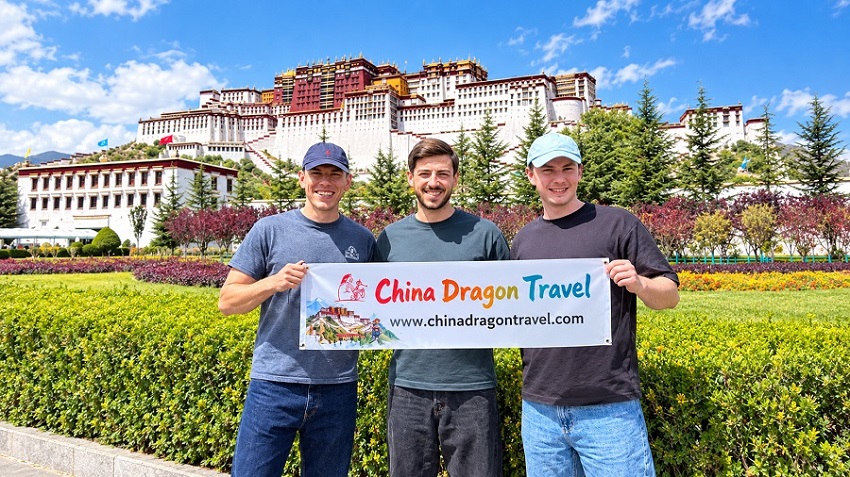
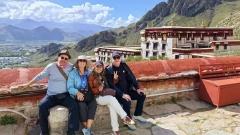
Tourists from China Dragon Travel posing for a group photo at the Potala Palace
A Sample Way to Structure the Journey
The itinerary below is a planning framework, not a guaranteed schedule. Actual travel times, train availability, permit requirements, and local conditions should be checked before booking. A traveler with about a week or more might spend time in a mainland departure city, take the train to Lhasa, keep the first day in the city relatively light, and then visit selected cultural sites with a guide. Travelers with additional days could consider an overland extension, provided the route and permits are confirmed.
Start by deciding how many days you can spend at altitude, then select a realistic number of destinations. Work backward to choose the rail departure city and allow time for connections. Confirm the Tibet itinerary and relevant documentation with an authorized operator, then book transport in a way that respects the applicable cancellation conditions. Leave at least some flexibility around major transfers and avoid scheduling high-effort activities immediately after arrival.
Build in Rest Without Losing the Experience
A slower first day does not mean wasting time. It gives you space to settle in, notice how you feel, and get oriented before a full sightseeing schedule. In Lhasa, a guide can explain local context and help organize visits in a way that respects site rules and the group’s pace. Follow instructions at monasteries and other religious or cultural sites, and ask before photographing people or restricted areas.
The train journey can also be a chance to recover, but sleep may be interrupted and altitude can affect comfort. Do not count every hour on board as restorative rest. Plan your first activities according to how you actually feel after arrival, not simply according to the time shown on the itinerary.
Is the Tibet Train Right for You?
Choose the train if you have time, value overland travel, and want the approach to Lhasa to be part of your experience. It can be especially rewarding for travelers who enjoy changing landscapes and do not mind shared facilities or a long ride. It also works well when it connects naturally with a wider China itinerary.
Choose a flight if speed matters most, the rail route does not fit your dates, or a lengthy journey would make the trip harder. Either way, prepare for altitude, confirm travel requirements through an authorized operator, and make a realistic schedule. China Dragon Travel may help coordinate the practical elements of a Tibet trip, but the best experience starts with clear questions, confirmed inclusions, and an itinerary that leaves room for rest and changing conditions.