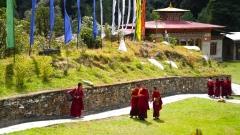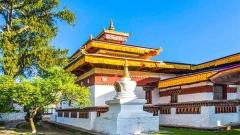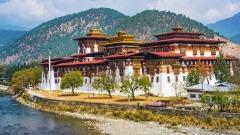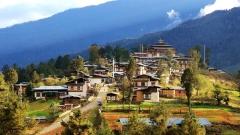

Bhutan is a unique Himalayan destination where dramatic mountain scenery, Buddhist culture, traditional architecture, and a slower pace of travel come together. For international visitors, however, planning a trip to Bhutan can raise practical questions about the best time to visit, flights, visas, daily travel costs, weather, clothing, accommodation, food, and local customs. This FAQ guide brings together the most important information travelers should know before visiting Bhutan, helping you understand how to plan a smoother and more rewarding journey.
Key Points to Know Before Traveling to Bhutan
- The best time to visit Bhutan is generally March to May and September to November, when the weather is comfortable and cultural events and natural scenery are particularly attractive.
- Most international visitors need to arrange their Bhutan trip through a local travel agency, including the relevant visa and travel arrangements.
- Bhutan operates a regulated tourism fee system, so your budget should account for the daily tourism charge as well as flights, personal expenses, and possible supplements.
- Paro is Bhutan’s main international gateway, with air connections through several major cities in South Asia and Southeast Asia.
- Weather, clothing, local customs, food preferences, and travel times should all be considered in advance, especially if your itinerary includes mountainous areas or outdoor activities.
When Is The Best Time To Visit Bhutan?
For most international travelers, March to May and September to November are among the most attractive periods for visiting Bhutan. These months generally offer a good balance between comfortable temperatures, scenery, outdoor activities, and cultural experiences. Daytime temperatures can reach around 25°C in some areas, although conditions vary considerably according to elevation and location.
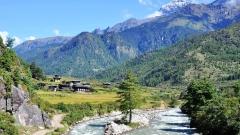
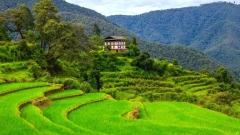
Spring from March to May is particularly appealing for travelers interested in nature and photography. Mountain vegetation begins to recover after winter, and various flowers appear across the valleys and hillsides. The combination of warmer weather, green landscapes, and opportunities for hiking makes spring an excellent season for exploring destinations such as Paro, Thimphu, and Punakha. Because spring is also a popular travel period, international flights and well-located hotels can become busy, so advance planning is recommended.
June to August is Bhutan’s wetter period and generally a quieter travel season. Rainfall can be frequent, particularly in southern and mountainous areas, and heavy rain may occasionally affect road travel or outdoor activities. Nevertheless, the landscape becomes exceptionally green during this period, and travelers who prefer fewer visitors may find the quieter atmosphere appealing.
Autumn, especially September through November, is another excellent choice. The air becomes clearer after the summer rains, mountain scenery is often highly photogenic, and traditional festivals take place in different parts of the country. For first-time visitors who want to combine Himalayan scenery, monasteries, villages, and cultural experiences, autumn is often one of the most rewarding seasons.
How Do You Get To Bhutan?
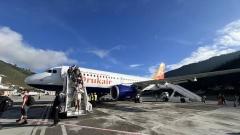
For most international tourists, flying is the most convenient way to reach Bhutan. The country’s principal international airport is Paro International Airport, and most overseas visitors begin their Bhutan journey there.
Bhutan’s main international airlines include Drukair, the national carrier, and Bhutan Airlines. Flights connect Paro with several important cities in South Asia and Southeast Asia, including Kathmandu, New Delhi, Kolkata, Gaya, Bangkok, Singapore, and Dhaka. These cities can be useful connection points for travelers who want to combine Bhutan with Nepal, India, Thailand, Singapore, or other destinations in Asia.
If you are traveling from North America, Europe, Australia, or another distant region, it is often practical to fly first to a major Asian transportation hub and then continue to Paro. When planning connections, allow sufficient time between flights. Paro is located in a mountainous environment, and flight schedules can sometimes be affected by weather and operating conditions.
Travelers who are already visiting India may also consider entering Bhutan by land. Overland travel can be an interesting option for people who enjoy road journeys and have sufficient time, although it requires additional planning for border crossings, transportation, and accommodation.
How Do You Get A Bhutan Tourist Visa?
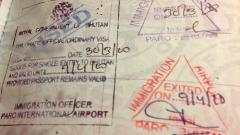
Bhutan’s entry arrangements are different from those of many conventional tourist destinations. For most international visitors, travel plans and visa-related procedures are arranged through a Bhutanese travel agency rather than by simply obtaining a visa independently and arriving without a prearranged itinerary.
Visitors from India, Bangladesh, and the Maldives have different entry arrangements from travelers of most other nationalities. For other international tourists, working with a local travel agency is generally an important part of planning the trip.
Bhutan also operates a prepaid tourism system, which means that travel arrangements, payments, and visa processing are closely connected. Travelers normally confirm their travel dates, itinerary, accommodation, and services with their travel agency before making the required payment. The agency can then assist with the subsequent visa process.
The visa fee is US$40, while processing time can vary according to the season and application circumstances. A reasonable planning approach is to allow around one week during quieter periods and at least two weeks during busy travel periods.
If your travel dates are fixed, it is better to begin the process well before departure rather than waiting until the last few days. Flexible planning is particularly useful when international flights and accommodation need to be coordinated with your Bhutan itinerary.
How Much Does A Trip To Bhutan Cost?
The cost of traveling in Bhutan is one of the most frequently asked questions among international visitors. Unlike many destinations where travelers independently combine hotel, meals, transportation, and sightseeing costs, Bhutan has a regulated minimum tourism spending system.
Based on the information provided, the minimum tourism expenditure is currently US$250 per person per day during the peak season and US$200 per person per day during the low season. This basic amount covers core travel services such as accommodation, meals, and sightseeing-related costs.
The number of travelers in your group can also affect the total. According to the provided information, a solo traveler pays an additional US$40 per person per day, while two travelers pay an additional US$30 per person per day. Groups of three or more do not have this particular supplement.
For example, a solo traveler spending 10 days in Bhutan during the low season would start with a basic tourism cost of approximately US$2,000, before the applicable single-traveler supplement and other personal expenses are added.
The minimum tourism expenditure should not be confused with an all-inclusive personal budget. Drinks, alcohol, souvenirs, laundry, shopping, and certain special activities may cost extra. Higher-end hotels, private experiences, or customized arrangements can also increase the overall price.
What Is The Weather Like In Bhutan?
Bhutan’s climate is strongly influenced by the Himalayas, and weather can vary significantly between regions and elevations. Paro and Thimphu, for example, may have noticeably different conditions from central mountain areas such as Bumthang.
Temperature differences between daytime and nighttime are also important. Even when the sun makes the afternoon feel warm, temperatures can fall considerably after sunset, particularly in higher areas. Layering is therefore one of the most practical ways to dress for a Bhutan trip.
From March to May, temperatures become increasingly comfortable, although mornings and evenings can remain cool. Travelers planning early-morning hikes or mountain excursions should consider bringing a fleece or lightweight down jacket.
June through August is warmer but wetter. Rain protection is important, particularly for road journeys and outdoor activities. Lightweight long-sleeved clothing, a waterproof jacket, and an umbrella can be useful.
December through February is the winter season. In Paro and Thimphu, daytime temperatures are generally around 10–15°C, while nighttime temperatures can fall to approximately 0–5°C. Higher elevations can be considerably colder, especially during periods of snowfall.
Many hotels, restaurants, and vehicles are equipped to provide heating, so winter travel remains possible for visitors who bring appropriate cold-weather clothing.
What Should You Wear In Bhutan?
The most important principles for clothing in Bhutan are comfort, warmth, practicality, and respect for local culture.
In spring, travelers should consider long-sleeved shirts, fleece layers, and a lightweight down jacket for cooler mornings and evenings. During the summer rainy season, breathable clothing combined with a waterproof outer layer is more practical. Winter travelers should bring a warm coat, thermal layers, gloves, and other cold-weather clothing.
Comfortable walking shoes are essential. If your itinerary includes hiking, choose footwear with good grip and enough support for uneven terrain. It is also better to wear shoes that you have already broken in rather than buying new hiking footwear immediately before your trip.
Visitors should dress conservatively when entering monasteries, temples, and other religious sites. Avoid clothing that is excessively revealing, and follow instructions from local guides or site staff.
What Customs And Entry Regulations Should Travelers Know?
International visitors should pay attention to Bhutan’s regulations concerning tobacco, alcohol, antiques, plants, animal products, and valuable personal belongings.
Smoking is subject to strict controls, so travelers should not assume that they can freely bring tobacco products into the country or smoke wherever they wish. It is advisable to confirm the latest customs requirements before departure.
Alcohol is also subject to restrictions. Based on the provided information, travelers are permitted to bring one bottle of bottled alcohol, although specific customs requirements should be checked before traveling.
Antiques, plants, animal products, and culturally significant objects may be subject to inspection or export restrictions. If you purchase an item that appears old or culturally important, make sure it is legally permitted to leave the country before taking it home.
Expensive personal electronic equipment such as cameras, video cameras, and computers may also need to be declared when entering Bhutan. Keeping any customs documentation can make the departure process easier.
What Types Of Accommodation Are Available In Bhutan?
Bhutan has a smaller hotel market than major Asian tourism centers, but its accommodation options often have a distinctive local character. Travelers can find different hotel categories, from comfortable mid-range properties to luxury hotels and high-end resorts.
Luxury travelers may consider properties such as Uma, Taj, and Aman, which are known for combining high-quality hospitality with elements of Bhutanese design. Traditional architecture, woodwork, local patterns, and regional decorative details are often incorporated into hotel interiors.
However, staying in the most expensive hotel is not necessary for everyone. Mid-range accommodation can provide a comfortable base for most travelers. When selecting hotels, location can be just as important as room category because journeys through Bhutan’s mountainous terrain can take considerable time.
A well-positioned hotel can reduce unnecessary driving and give you more time to explore local attractions.
What Food Can You Eat In Bhutan?
Bhutanese cuisine is famous for its generous use of chili peppers. Travelers who enjoy spicy food may find the local cuisine especially interesting, while visitors who are sensitive to spice should tell their guide or restaurant staff before ordering.
Bhutanese food reflects influences from the wider Himalayan and South Asian region. In addition to traditional dishes, international visitors can usually find Indian, Chinese, and Tibetan-style foods during their journey.
Trying local dishes is an important part of experiencing Bhutanese culture, but you do not need to eat extremely spicy food at every meal. If you have dietary requirements, including vegetarian preferences or food allergies, inform your travel agency before the trip so suitable arrangements can be made.
What Souvenirs Can You Buy In Bhutan?
Bhutan offers a range of distinctive souvenirs that reflect its traditional culture. Handwoven textiles, handicrafts, stamps, Buddhist-inspired artwork, and other locally produced cultural products are popular among international visitors.
Traditional Bhutanese textiles are particularly interesting because weaving has a strong cultural significance. Patterns, colors, and techniques can vary between regions, making textiles a meaningful souvenir as well as a practical item.
Bhutanese stamps are another unusual choice for collectors. They are small, easy to transport, and offer a glimpse into the country’s history and visual culture.
Religious artworks, statues, and traditional paintings can also be attractive, but travelers should pay attention to cultural heritage and export regulations. Avoid buying objects of uncertain origin or anything that may be protected as a historical artifact.
What Language Is Spoken In Bhutan?
Dzongkha is Bhutan’s official language and plays an important role in government, education, and everyday life. Other languages are also spoken throughout the country, including Nepali in southern areas.
English is widely used in education and tourism, so international travelers generally do not need to worry too much about language barriers when visiting major destinations.
Learning a few simple local expressions can nevertheless make your experience more enjoyable. Even a basic greeting can be a friendly way to show respect and interest in Bhutanese culture.
How Should First-Time Visitors Plan A Bhutan Itinerary?
First-time visitors should avoid trying to cover too many places in a short period. Bhutan’s mountainous geography means that traveling between destinations can take longer than the distance on a map might suggest.
For a shorter trip, Paro and Thimphu can form the foundation of an itinerary, with nearby cultural and natural attractions added according to available time. Travelers with more days can include Punakha and destinations farther into central Bhutan.
If you enjoy hiking and nature, choose activities according to the season and your fitness level. If cultural experiences are your priority, allow enough time for monasteries, traditional villages, local architecture, and festivals.
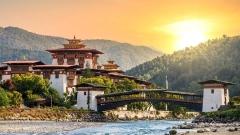
A Bhutan trip is not necessarily about rushing from one attraction to another. Much of the country’s appeal lies in the journey itself: mountain valleys, traditional buildings, quiet villages, Buddhist heritage, local handicrafts, and the slower rhythm of everyday life.
Why Use A Local Travel Agency For Bhutan?
For international visitors, Bhutan’s tourism system connects several aspects of travel, including visa arrangements, tourism payments, accommodation, transportation, and itinerary planning. Working with an experienced local travel agency can therefore simplify the planning process.
This can be particularly useful if you are combining Bhutan with Nepal, India, China, or another Asian destination. Your agency can help coordinate the travel dates, flights, border arrangements, hotels, and sightseeing schedule so that the different parts of your journey work together.
China Dragon Travel can assist international travelers with Bhutan travel planning, including itinerary consultation and route design based on travel dates, budget, interests, and preferred destinations. Travelers who want to combine Bhutan with other destinations in Asia can also discuss possible multi-country travel arrangements and transportation connections before confirming their trip.
Frequently Asked Questions About Traveling To Bhutan: Final Thoughts
Bhutan is not necessarily a destination for completely spontaneous travel, but its structured tourism system can make the experience more organized once the main arrangements are understood. For international travelers, the most important things to consider before departure are the travel season, visa process, daily tourism cost, international flights, weather, clothing, and cultural etiquette.
For comfortable weather, spring and autumn are particularly attractive. March to May offers fresh landscapes and blooming mountain vegetation, while September to November is known for clearer conditions, mountain views, and cultural events. Summer is wetter but greener and generally quieter, while winter offers colder conditions and a more peaceful travel atmosphere.
Planning ahead is especially important if your travel dates are fixed or if you want to visit during a major festival. Once the practical details are arranged, Bhutan becomes much easier to explore—and the reward is an opportunity to experience one of the Himalayas’ most distinctive destinations through its landscapes, traditions, monasteries, villages, and unique cultural identity.