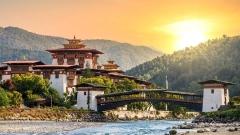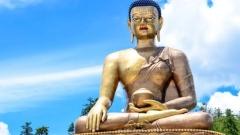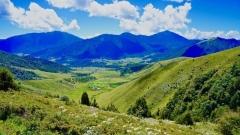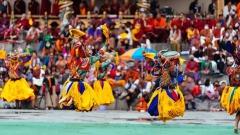

Bhutan is known for its Himalayan landscapes, Buddhist traditions, peaceful valleys, and well-preserved cultural heritage. However, travelling to Bhutan is different from visiting a typical independent-travel destination. International visitors need to pay attention to entry procedures, visa arrangements, travel planning, cultural etiquette, and the conditions of mountain roads and hiking routes.
These requirements do not mean that Bhutan is difficult to visit. They simply mean that the journey should be planned more carefully. By confirming the necessary documents, travel costs, transportation, accommodation, and itinerary in advance, visitors can avoid unnecessary problems and enjoy more time exploring Bhutan’s monasteries, valleys, festivals, and local communities.
Key Points
- Bhutan requires more advance planning than most independent-travel destinations.
- Visa approval, travel documents, and the Sustainable Development Fee should be confirmed before departure.
- Religious sites require appropriate clothing, respectful behaviour, and careful attention to photography rules.
- Mountain roads, high-altitude locations, and hiking routes require suitable preparation.
- A reliable local travel company can assist with documents, transportation, guides, and itinerary arrangements.
Bhutan Entry Requirements And Travel Arrangements
Bhutan has specific entry and travel requirements for international visitors. Travellers should complete the necessary visa procedures and confirm their travel arrangements before leaving home. It is not advisable to simply purchase a flight to Paro and decide on accommodation, transportation, and sightseeing after arrival.
Many of Bhutan’s attractions are located in mountainous areas, and travel between towns can take several hours. Road conditions may also be affected by weather, construction, or difficult terrain. Without advance planning, visitors may face challenges with transportation connections, hotel availability, or changes to their itinerary.
Bhutan’s visa system allows eligible visitors to apply online, while travel agencies and local tourism providers may also assist with the process. The exact procedure depends on the traveller’s nationality and the latest government requirements, so visitors should check the current rules before making final arrangements.
A valid passport and approved travel documents should be prepared carefully. In general, the passport should have sufficient remaining validity and available blank pages for immigration procedures.
Visa, Sustainable Development Fee And Additional Documents
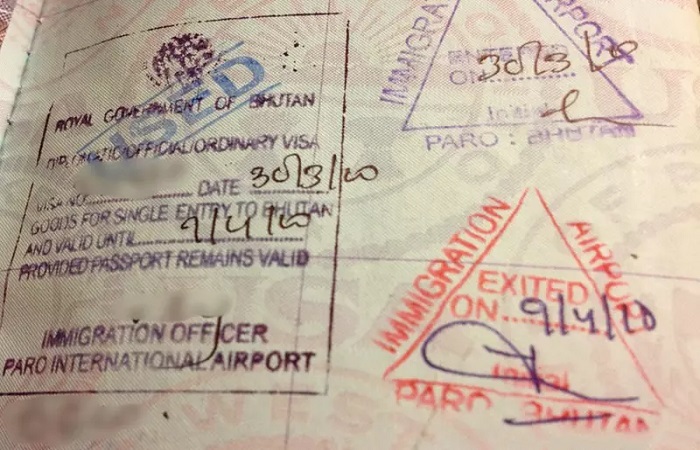
Bhutan uses an electronic visa system. Many international visitors must obtain visa approval before travelling and present the required documents when checking in for their flight or entering the country.
Travellers should also pay close attention to the Sustainable Development Fee, commonly known as the SDF. This is an important part of the Bhutan travel budget, and the applicable amount may depend on the visitor’s nationality, age, eligibility, and current government policies.
When comparing tour quotations, visitors should check whether the price includes the SDF, visa fees, accommodation, transportation, meals, sightseeing, and guide services. A low advertised tour price may not represent the final cost if important items are excluded.
Certain trekking routes, remote areas, or special activities may require additional permits or advance arrangements. If an itinerary includes long-distance hiking, remote valleys, or less-visited locations, travellers should confirm that all necessary permissions have been considered before making payment.
The Bhutan Visa
Why Bhutan Travel Requires Advance Planning
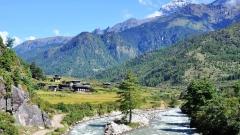
Bhutan’s travel restrictions are closely connected with its mountainous geography, environmental protection policies, and cultural preservation. Although the country is relatively small, much of its territory consists of mountains and deep valleys. Travel between Paro, Thimphu, Punakha, and more remote regions often requires long drives.
Accommodation options can also be limited outside the main towns. Flight schedules are less frequent than in larger tourism markets, and changes to weather or road conditions may affect travel plans.
For first-time visitors, a practical itinerary often focuses on Paro, Thimphu, and Punakha. Travellers with more time may add Phobjikha Valley, Bumthang, Haa Valley, or another remote region. A well-paced itinerary is generally more comfortable than trying to visit too many places in a short period.
Bhutan is not a destination that needs to be rushed. Allowing enough time for transportation, rest, and cultural visits can make the overall experience much more enjoyable.
Currency, Cash And Daily Expenses
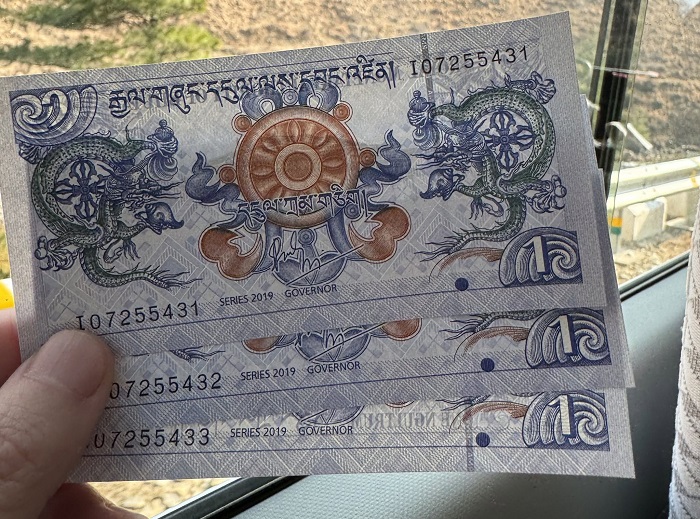
Bhutan uses the Ngultrum, with the currency code BTN. Its value is closely linked to the Indian rupee, and Indian currency may be accepted in some situations. However, travellers should not assume that every shop or service provider will accept foreign cash.
In Paro, Thimphu, and other major towns, some hotels, restaurants, and shops accept credit cards. However, cash is still useful, especially in smaller businesses, traditional markets, rural areas, and remote valleys. Electronic payment services may also be less widely available outside the main towns.
Visitors are advised to carry a reasonable amount of cash and exchange money locally when necessary. Cash may be needed for small purchases, souvenirs, tips, local activities, and unexpected expenses.
Travellers visiting remote areas should be particularly careful not to rely entirely on credit cards or mobile payment applications.
Ngultrum
Cultural Etiquette And Restrictions At Religious Sites
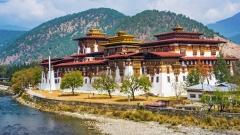
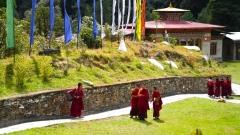
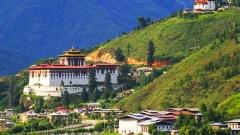
Bhutan has a strong Buddhist cultural identity. Temples, monasteries, dzongs, and stupas are not simply tourist attractions; they are active religious places where local people pray and participate in ceremonies.
Visitors should dress modestly when entering religious sites. Shorts, short skirts, and sleeveless clothing may not be considered appropriate. Some places require visitors to remove their shoes, avoid eating or drinking, or follow specific instructions before entering.
Photography rules vary from one location to another. Many religious interiors do not allow photographs or video recording, even when taking pictures outside the building is permitted. Visitors should always follow signs and instructions from staff or guides.
When photographing monks, residents, or local ceremonies, it is polite to ask for permission first. Travellers should also avoid touching religious objects, entering restricted areas, speaking loudly, or interrupting prayers.
Respectful behaviour helps visitors avoid misunderstandings and creates a more positive experience for both travellers and local communities.
Altitude And Hiking Considerations
Many parts of Bhutan are located at relatively high elevations. Paro, Thimphu, and other valleys have different altitude levels, while certain attractions and hiking routes are located considerably higher.
Some visitors may experience mild altitude-related symptoms such as headaches, tiredness, poor sleep, or shortness of breath, particularly if they normally live at a low elevation.
The first few days of a Bhutan itinerary should not be overloaded with strenuous activities. Travellers can begin with city sightseeing, temples, markets, and easier walks, allowing their bodies to adjust gradually.
Drinking enough water, walking slowly, avoiding excessive alcohol, and taking regular breaks can help reduce discomfort. Visitors should pay attention to their physical condition and inform their guide if they feel unwell.
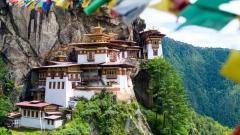
The hike to Tiger’s Nest Monastery is one of Bhutan’s most popular experiences, but the trail includes uphill sections, stairs, and uneven ground. Travellers should prepare in advance, wear supportive walking shoes, and allow sufficient time for the hike.
If symptoms become serious or continue to worsen, visitors should not force themselves to complete the activity. They should inform their guide and seek medical advice when necessary.
What To Pack For A Bhutan Trip
Bhutan’s weather can change quickly, and the temperature difference between daytime and nighttime may be significant. Layered clothing is therefore a practical choice. Travellers should consider packing breathable base layers, warm mid-layers, and a windproof or waterproof outer jacket.
Comfortable walking shoes or hiking shoes are essential for visiting Tiger’s Nest, walking through mountain villages, and exploring valley trails. It is best to wear new shoes before departure so that they do not cause discomfort during the trip.
Useful items include sunscreen, sunglasses, a hat, moisturiser, personal medication, rain protection, and a reusable water bottle. Travellers who take regular medication should bring enough supplies for the entire journey and keep prescriptions or medical information with them.
A small supply of snacks or energy bars may also be useful during long drives and outdoor activities, particularly when travelling through areas with few shops.
How To Make A Bhutan Trip Easier
Bhutan’s travel restrictions mainly involve entry documents, travel arrangements, cultural visits, and transportation in mountainous areas. These requirements may involve additional preparation, but they can also reduce the risks associated with last-minute decisions.
Choosing a travel company familiar with Bhutan can simplify the process. A professional team may assist with visa arrangements, the Sustainable Development Fee, accommodation, transportation, guides, sightseeing, and changes caused by weather or road conditions.
For international visitors travelling to Bhutan for the first time, local support is particularly valuable. A knowledgeable guide can explain religious etiquette, cultural customs, local history, and practical travel procedures while helping visitors manage the pace of the itinerary.
China Dragon Travel can assist with Bhutan travel planning according to each traveller’s departure point, available time, interests, and preferred travel style. Private tours and small-group arrangements can provide greater flexibility, allowing the itinerary to be adjusted around fitness levels, sightseeing priorities, and personal preferences.
Before booking, travellers should confirm what is included in the quotation, whether an English-speaking guide is provided, how transportation is arranged, and whether the itinerary allows enough time for rest and cultural experiences.
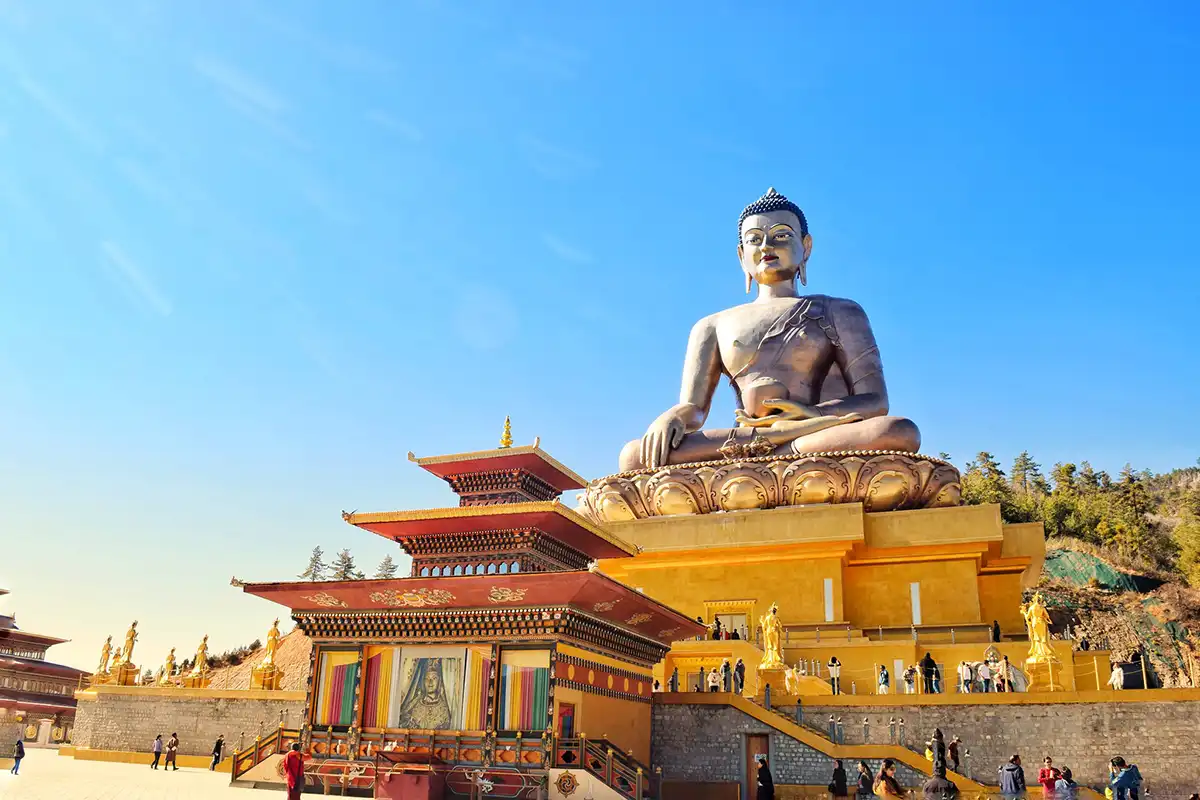
Understand The Restrictions Before Your Bhutan Travel
Bhutan is not a destination where visitors should arrive without a plan and arrange everything at the last minute. Visa procedures, entry documents, the Sustainable Development Fee, mountain transportation, religious etiquette, and altitude considerations should all be reviewed before departure.
However, these requirements do not reduce Bhutan’s appeal. In many ways, the country’s careful approach to tourism helps protect its valleys, monasteries, traditional architecture, and local way of life.
When travellers understand the rules, choose an appropriate itinerary, and respect local customs, they can spend less time dealing with avoidable problems and more time appreciating Bhutan’s unique character.
With proper preparation and support from an experienced travel company such as China Dragon Travel, international visitors can explore Bhutan at a comfortable pace and enjoy a journey that is both smooth and culturally meaningful.