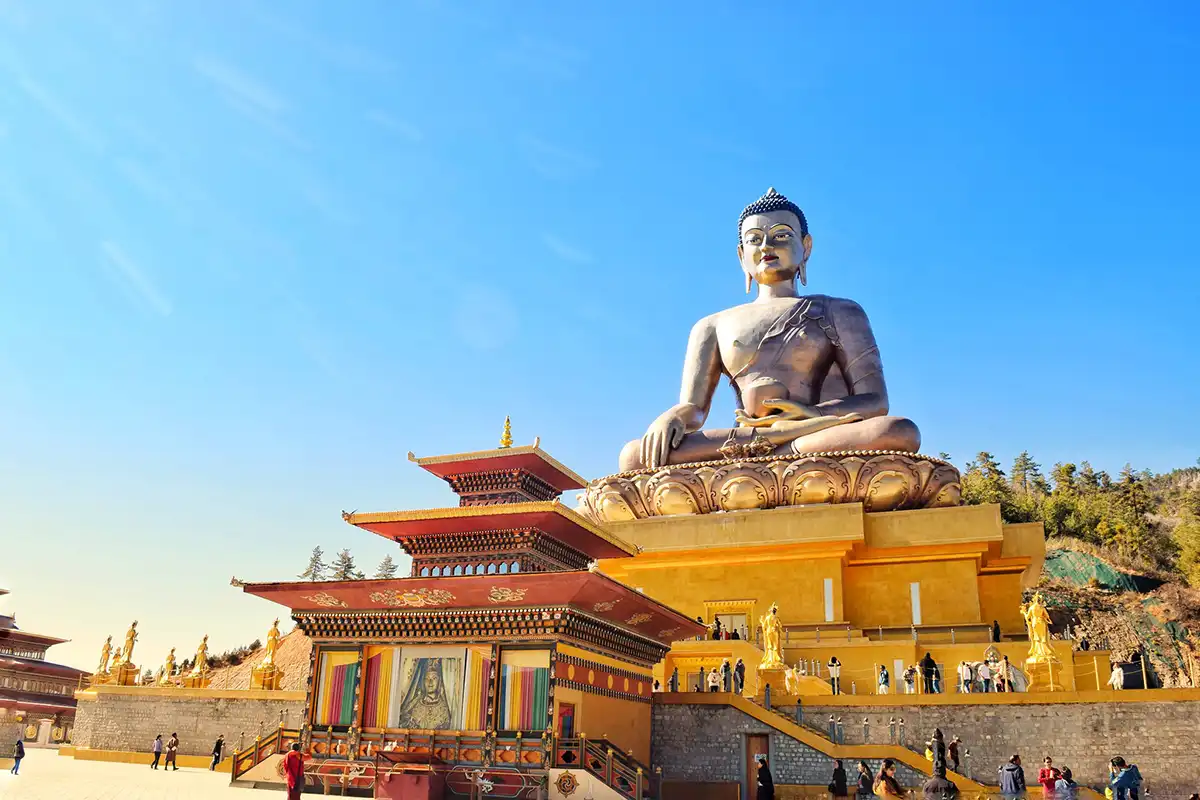
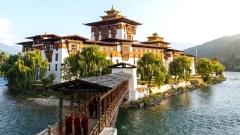
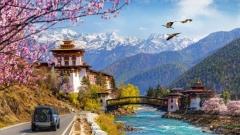
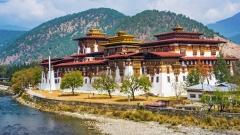
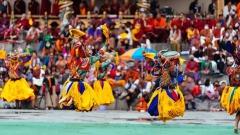
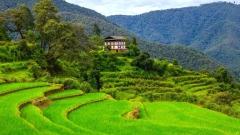
Bhutan is often described as one of the world’s most unique travel destinations. Its Himalayan landscapes, Buddhist monasteries, traditional architecture, and peaceful atmosphere attract travelers looking for something different. However, Bhutan is not the easiest destination for every type of traveler. Before booking your trip, it is worth understanding the practical challenges that may affect your experience. From relatively high travel costs and limited flights to spicy food, mountain roads, cultural expectations, and demanding hikes, Bhutan has several features that may not suit everyone.
Key Takeaways
- Bhutan can be more expensive than many other Asian destinations because of the Sustainable Development Fee and organized travel costs.
- Flights, public transportation, and mountain roads can make travel between destinations slower and less flexible.
- Food, shopping, cash payments, and internet access may be less convenient than in major international cities.
- Visitors are expected to respect Bhutanese customs, traditional clothing, religious sites, and local etiquette.
- Some of Bhutan’s most famous attractions, especially Tiger’s Nest Monastery, require good physical fitness.
1. Bhutan Can Be More Expensive Than Expected
One of the main reasons travelers reconsider a trip to Bhutan is the overall cost. Bhutan is not a typical budget destination, especially when compared with neighboring countries such as Nepal, India, or Thailand.
International visitors may need to pay the Sustainable Development Fee, commonly known as the SDF, in addition to accommodation, transportation, meals, guide services, and other travel expenses. The fee supports areas such as environmental protection, infrastructure, healthcare, and cultural preservation, but it also increases the total cost of a holiday.
Travelers should also remember that the final price is not determined by the daily fee alone. Private transportation, domestic flights, upgraded hotels, special activities, and customized itineraries can significantly increase the budget.
For visitors who are mainly looking for inexpensive accommodation, flexible backpacking, or low-cost independent travel, Bhutan may not be the most suitable destination.
2. Flights To Bhutan Are Limited
Bhutan has only a small number of international flight connections. Most visitors arrive through Paro International Airport, which is surrounded by mountains and has more complicated flying conditions than many major international airports.
Flight schedules are limited, and routes may not operate every day. Many travelers need to connect through cities such as Bangkok, Kathmandu, Delhi, or other regional gateways before reaching Bhutan.
Flights are also affected by weather, visibility, and mountain conditions. Delays or schedule changes can sometimes occur, so travelers should avoid planning a tight itinerary immediately before an important international connection.
If you prefer frequent flights, multiple airline choices, and the ability to change your travel plans at the last minute, Bhutan may feel less convenient.
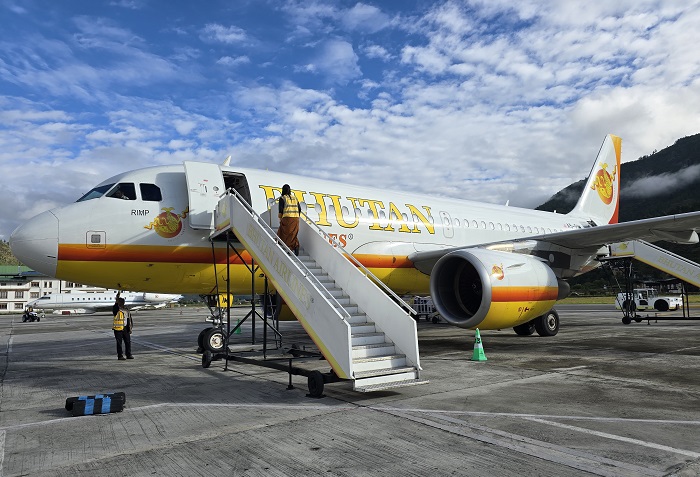
Bhutan Airlines
3. Bhutanese Food Can Be Very Spicy
Bhutanese cuisine is closely connected with local culture and daily life. Chili peppers are an important ingredient in many traditional dishes, and some meals may be much spicier than international visitors expect.
One of the best-known dishes is Ema Datshi, made with chilies and cheese. Other common meals include rice, vegetables, soups, and locally prepared meat dishes. Bhutanese food is often simple, hearty, and designed for the local climate and lifestyle.
However, travelers who do not enjoy spicy food may need to make special requests. Food choices can also be more limited in smaller towns and rural areas than in major international cities.
Vegetarian travelers can usually find suitable meals, but those who expect a wide range of international restaurants, seafood, fast food, or sophisticated dining options may be disappointed outside the main tourist centers.

Ema Datshi
4. Shopping And Card Payments Are Not Always Convenient
Bhutan is not primarily a shopping destination. Visitors will find local handicrafts, handmade textiles, Buddhist items, traditional clothing, wood products, and other cultural souvenirs, but there are relatively few international luxury brands or large shopping malls.
Credit cards are accepted in some hotels, restaurants, and businesses, but card payment may not be available everywhere, particularly in remote areas. Travelers should carry enough Bhutanese currency for small purchases, local markets, tips, and other daily expenses.
ATMs and banking services may also be less accessible outside major towns. It is therefore important to prepare some cash before traveling to rural destinations.
If your ideal holiday includes luxury shopping, international brands, nightlife, or convenient cashless payment everywhere, Bhutan may not meet your expectations.
5. Visitors Must Respect Local Customs
Bhutan has a strong national identity, and traditional customs remain an important part of everyday life. Visitors may see local people wearing the national dress, including the gho for men and the kira for women, especially in formal settings and government buildings.
Tourists are expected to dress respectfully when visiting monasteries, temples, dzongs, and other religious sites. Revealing clothing may be inappropriate in these places, and visitors should follow local instructions regarding shoes, photography, and behavior.
Religious objects should not be touched or moved without permission. Travelers should also avoid loud conversations or disruptive behavior near temples and monasteries.
For visitors who prefer a completely casual travel style without paying attention to local traditions, Bhutan’s cultural expectations may require additional preparation. However, these customs are an important part of the country’s identity and should be approached with respect.
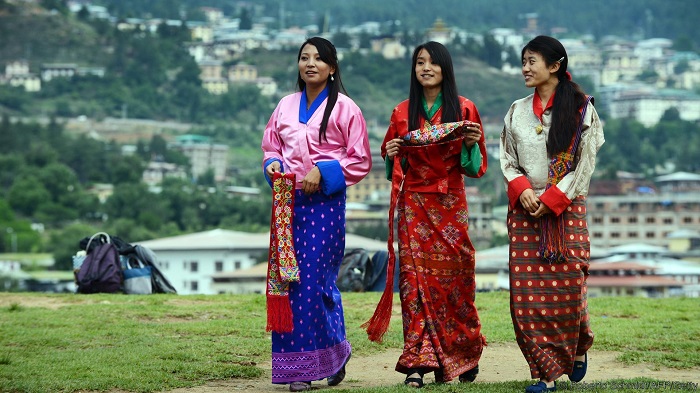
Kira
6. Tobacco Rules Are Strict
Bhutan has strict regulations concerning tobacco products and smoking. Import restrictions, taxes, and limitations on smoking in public places can affect visitors who regularly smoke.
Travelers should check the latest customs rules before bringing cigarettes or other tobacco products into the country. Bringing more than the permitted amount may lead to additional charges or legal problems.
Smoking is also restricted in many public and religious areas. Visitors should not assume that they can smoke freely outside hotels or designated areas.
For non-smokers, these rules may not create any difficulty. However, regular smokers should understand the regulations before departure and prepare accordingly.
7. Internet Access May Be Unreliable In Some Areas
Internet access is available in Bhutan, particularly in larger towns and hotels, but the connection may not be as fast or reliable as what travelers are used to in major cities.
In remote valleys, mountain regions, and rural communities, mobile signals and Wi-Fi can be limited. Travelers may experience slow connections, interruptions, or difficulty making video calls.
This can be inconvenient for people who need to work online, manage a business, attend virtual meetings, or remain constantly connected with family and friends.
At the same time, limited connectivity can also be part of Bhutan’s appeal. The country offers an opportunity to spend more time outdoors, enjoy the scenery, and take a break from digital distractions.
8. Mountain Roads Can Make Travel Time-Consuming
Bhutan is a mountainous country, and many destinations are connected by winding roads rather than highways. Even relatively short distances can take several hours because of steep slopes, sharp turns, road conditions, and weather.
Travelers may need to spend long periods in a vehicle when moving between Paro, Thimphu, Punakha, Phobjikha, and other destinations. Road construction, landslides, or heavy rain can occasionally cause delays.
Public transportation is also limited compared with more developed tourist destinations. Most international visitors travel with a private vehicle and driver or as part of an organized tour.
If you prefer fast train journeys, convenient public transport, or the freedom to move between destinations without long drives, Bhutan’s geography may be challenging.
9. Accommodation And Transportation Require Planning
Bhutan offers a range of accommodation, from simple guesthouses and locally operated hotels to comfortable resorts and luxury properties. However, the number of hotels is limited in some regions, and availability can be affected during popular travel seasons.
Travelers who want to stay in a specific hotel, visit remote valleys, or follow a customized route should make arrangements in advance. Last-minute changes may not always be easy, especially when transportation and accommodation need to be coordinated together.
Many international visitors choose to work with a local travel company to arrange transportation, guides, hotels, permits, and sightseeing services. This can make the trip smoother, particularly for first-time visitors.
However, travelers who prefer completely spontaneous travel, changing hotels every day, or arranging everything after arrival may find Bhutan less flexible than other destinations in Asia.
10. Tiger’s Nest Requires Physical Effort
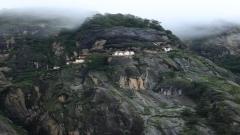
Tiger’s Nest Monastery, also known as Paro Taktsang, is Bhutan’s most famous attraction. The monastery is built on a cliff above the Paro Valley and is one of the country’s most recognizable landmarks.
Reaching the monastery requires a demanding hike. The trail includes uphill sections, uneven ground, stone steps, and a considerable number of stairs. Depending on fitness level, weather, and rest breaks, the hike can take several hours.
The high altitude can make the walk more tiring, particularly for visitors who are not accustomed to mountain environments. Travelers should wear comfortable shoes, carry drinking water, protect themselves from the sun, and allow enough time for the journey.
Some forms of animal transportation may be available for part of the route, but visitors should not expect to avoid all walking. Those with mobility limitations or serious health concerns should discuss the hike with their travel provider before planning the visit.
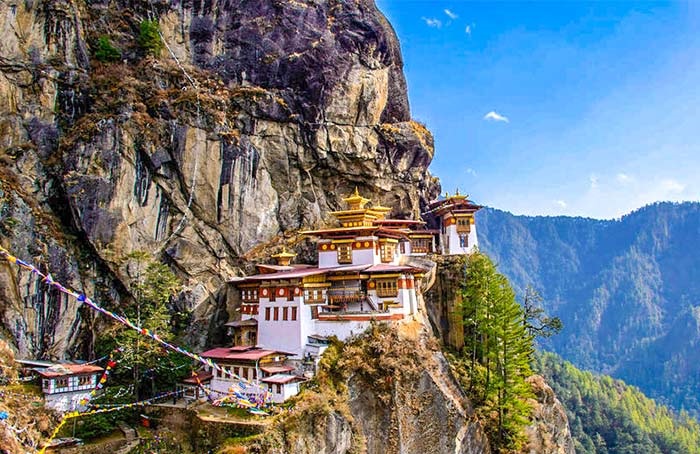
Tiger’s Nest Monastery
Is Bhutan Suitable For Every Traveler?
Bhutan may not be ideal for travelers who prioritize low prices, nightlife, luxury shopping, fast transportation, extensive restaurant choices, or complete independence. The country requires more preparation than many conventional holiday destinations.
However, Bhutan can be a rewarding choice for travelers who appreciate peaceful landscapes, Buddhist culture, traditional communities, nature, and slower-paced journeys. Visitors who are willing to accept the higher cost, limited infrastructure, and cultural expectations may find the experience deeply memorable.
The most important step is to understand what the journey involves before booking. A realistic plan can help prevent disappointment and allow you to enjoy Bhutan on its own terms.
Plan Your Bhutan Journey With China Dragon Travel
China Dragon Travel helps international travelers arrange Bhutan tours with practical planning and local travel support. Our services can include itinerary design, hotel arrangements, transportation, sightseeing, and assistance with the necessary travel procedures.
Whether you prefer a private journey, a small-group tour, or a customized Bhutan itinerary, our team can help you choose a travel plan that matches your schedule, budget, interests, and physical condition.
Bhutan may not be the easiest destination, but with the right preparation and a well-organized itinerary, it can offer a meaningful travel experience unlike anywhere else.