
Introduction
If it is your first time visiting Bhutan and you have only six days and five nights, the key is not to pack as many attractions as possible into the schedule. A well-planned itinerary should balance sightseeing, driving time, altitude adjustment and time for enjoying Bhutan’s unique culture and landscapes.This 6-day, 5-night itinerary follows a classic route through Paro, Thimphu and Punakha, covering many of Bhutan’s most important cultural and natural attractions. After arriving in Paro, you will travel to Thimphu, Bhutan’s capital, before continuing through the spectacular Dochula Pass to Punakha. The journey then returns to Paro, where the trip ends with a hike to the famous Tiger’s Nest Monastery.Although six days is relatively short, this route includes many of Bhutan’s highlights, including Tashichho Dzong, Buddha Dordenma, the National Memorial Chorten, Punakha Dzong, Dochula Pass, Paro Dzong, the National Museum, Kyichu Lhakhang and Tiger’s Nest. The itinerary is designed to keep the pace manageable while leaving enough time to experience Bhutan beyond simply checking attractions off a list.
Key Takeaways
- Classic 6-day route: Paro → Thimphu → Punakha → Paro, covering Bhutan’s three most popular tourist areas.
- Tiger’s Nest is the highlight: The hike is scheduled toward the end of the trip, after time in Thimphu and Punakha to gradually adapt to the altitude.
- Rich cultural experience: Visit Tashichho Dzong, Punakha Dzong, Paro Dzong, the National Museum and Kyichu Lhakhang to understand Bhutanese history, architecture and Buddhist culture.
- Mountain scenery: Dochula Pass offers spectacular Himalayan views when weather conditions are clear, while the journey between destinations passes through forests, valleys and mountain roads.
- Road travel is the norm: Most journeys between Paro, Thimphu and Punakha are by road. Driving times can vary depending on weather, road conditions and traffic.
- Check current regulations before departure: Bhutan’s visa requirements, tourism fees, attraction charges, opening hours and entry regulations may change, so always confirm the latest official information before booking.
Bhutan
Bhutan 6-Day 5-Night Itinerary
For first-time visitors, six days is enough to experience Bhutan’s major highlights without making the trip excessively rushed. The recommended route combines cultural attractions, mountain scenery and the country’s most famous monastery.
Day 1: Paro Airport → Chuzom → Thimphu
After arriving at Paro International Airport, complete the immigration procedures and begin your journey toward Thimphu. Since Paro is the main international gateway to Bhutan, most international visitors start and finish their Bhutan trip here.On the way to Thimphu, stop at Chuzom, an important road junction where the Paro and Thimphu valleys meet. Continue to Thimphu and visit Tashichho Dzong, one of the most important architectural landmarks in the capital. Depending on the opening schedule and access restrictions, visitors may be able to explore parts of the complex.In the evening, take a walk around the local market and old town area. This is a good opportunity to see everyday Bhutanese life, browse handicrafts and enjoy a more relaxed first evening after your international flight.
Day 2: Full Day in Thimphu
Spend the second day exploring Thimphu, where traditional Bhutanese architecture sits alongside modern government buildings and local businesses.Start with the National Library, which preserves important Buddhist scriptures and historical texts. Continue to the Institute for Zorig Chusum, also known as the Traditional Arts and Crafts School, where students learn Bhutan’s traditional crafts.The Textile Museum provides a closer look at Bhutanese weaving traditions and the importance of traditional textiles in local culture. You can also visit the Bhutan Post Office, which is particularly interesting for travelers who enjoy stamps, postcards and local souvenirs.Continue to Pangri Zampa Monastery, then head to Buddha Dordenma, the giant Buddha statue overlooking Thimphu Valley. The National Memorial Chorten is another important stop and is especially worth visiting for travelers interested in Bhutanese Buddhism and local religious traditions.The evening can be kept relatively relaxed. After two days of travel and sightseeing, an early night is useful before the mountain journey to Punakha.
Day 3: Thimphu → Dochula Pass → Punakha
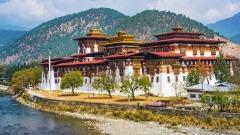
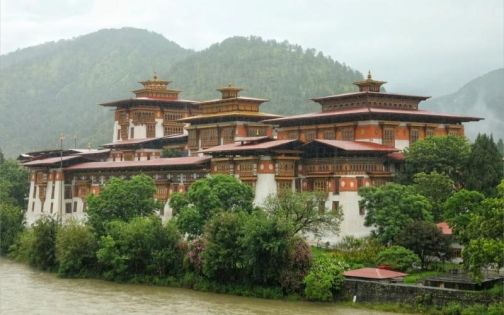
Leave Thimphu in the morning and travel toward Punakha. The route crosses Dochula Pass, one of Bhutan’s most scenic mountain viewpoints.At around 3,100 metres above sea level, Dochula Pass can be significantly colder than the valleys below. On clear days, the pass offers views toward the Himalayan peaks. The site is also known for its 108 Druk Wangyal Chortens, which form one of Bhutan’s most recognizable mountain landscapes.Continue down toward the warmer Punakha Valley and visit Punakha Dzong, one of Bhutan’s most impressive fortress monasteries. The dzong stands at the confluence of the Pho Chhu and Mo Chhu rivers and is closely connected with Bhutan’s political and religious history.After visiting the dzong, continue to Chimi Lhakhang, traditionally associated with Lama Drukpa Kunley, often known as the “Divine Madman.” The temple is surrounded by farmland and traditional villages, making the journey itself part of the experience.Spend the night in Punakha rather than returning immediately to Thimphu. This reduces unnecessary driving and gives you more time to experience the valley.
Day 4: Punakha → Simtokha Dzong → Paro
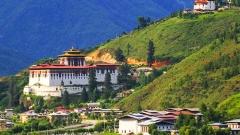
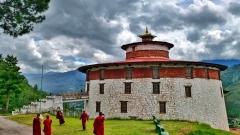
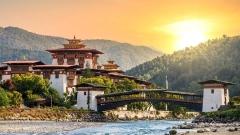
After breakfast, begin the return journey toward Paro. Depending on the itinerary and road conditions, you can make a stop at Simtokha Dzong, one of Bhutan’s historic fortresses near Thimphu.Continue toward Paro and visit the National Museum of Bhutan, housed in the historic Ta Dzong. The museum contains collections related to Bhutanese art, religion, weapons, textiles and cultural heritage.Next, visit Rinpung Dzong, commonly known as Paro Dzong. The impressive fortress overlooks the Paro Valley and is connected to one of Bhutan’s best-known traditional bridges.Paro is a good place to slow down after several days of road travel. Depending on your arrival time, you can explore the town, browse local handicraft shops or simply rest at the hotel.
Day 5: Tiger’s Nest Hike → Kyichu Lhakhang
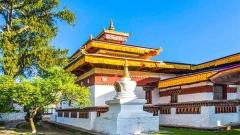
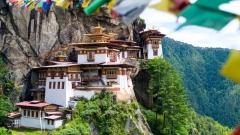
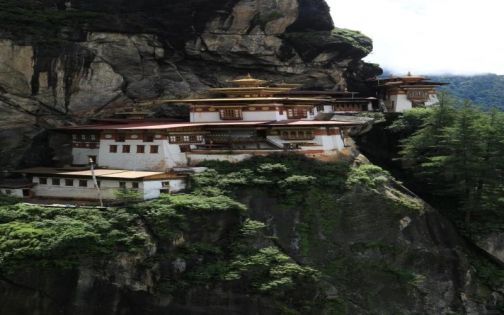
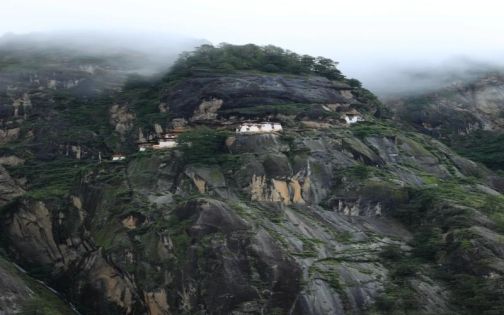
The fifth day is the physical highlight of the trip: the hike to Tiger’s Nest Monastery, officially known as Paro Taktsang.The monastery sits on a cliff at approximately 3,120 metres above sea level. The trail begins at a lower elevation and climbs through pine forest, with several steep sections along the way.A typical round trip takes around 4–6 hours, depending on fitness level, weather, trail conditions and how much time you spend at the monastery and viewpoints. Starting early is recommended because temperatures are generally more comfortable and the trail can become busier later in the morning.After returning to Paro, spend the afternoon resting. If energy and time allow, visit Kyichu Lhakhang, one of Bhutan’s oldest and most important temples according to Bhutanese tradition.Do not underestimate the Tiger’s Nest hike. Even travelers who exercise regularly may find the combination of steep uphill sections and altitude physically demanding. Comfortable hiking shoes, water, sun protection and layered clothing are recommended.
Day 6: Paro → Airport → Departure
Enjoy breakfast at the hotel before transferring to Paro International Airport for your departure flight.If your flight is later in the day, you may have some time for a final walk around Paro or last-minute souvenir shopping. Keep enough time for the airport transfer and check-in, particularly during busy travel periods or when road conditions are affected by weather.
Bhutan
Where to Stay in Bhutan
For this itinerary, a practical hotel arrangement is 2 nights in Thimphu, 1 night in Punakha and 2 nights in Paro. This follows the route naturally and avoids unnecessary backtracking.Bhutan has accommodation ranging from comfortable local hotels to high-end luxury resorts. Well-known luxury options include Aman, Six Senses, COMO Uma and Zhiwa Ling, while travelers looking for better value can choose comfortable 3- to 4-star hotels in the main towns.When choosing accommodation, location and facilities are often more important than simply choosing the highest category. In particular, check heating, hot water, Wi-Fi, breakfast arrangements and whether the property has suitable access for your itinerary.
Bhutan Travel Costs and Tourism Fees
The total cost of a Bhutan trip depends on your nationality, travel dates, accommodation category, transport arrangements and the services included in your package.Bhutan also operates a Sustainable Development Fee (SDF) system, which is separate from other travel expenses such as flights, accommodation, transport and guide services. Tourism policies and fee structures can change, so travelers should check the latest official requirements before making payment or confirming their itinerary.For a realistic budget, calculate the trip in several categories: international flights, Bhutan travel fees, accommodation, private transportation, guide services, meals, entrance fees, shopping and optional activities. This gives you a much clearer picture of the final cost than looking only at the hotel price.
What to Prepare Before Visiting Bhutan
Pack according to the season and itinerary. Comfortable walking shoes are essential because many attractions involve stairs, uneven paths or uphill walking. For Tiger’s Nest, proper hiking shoes are strongly recommended.Bring layered clothing rather than relying on one heavy jacket. Temperatures can vary considerably between Paro, Thimphu, Punakha and mountain passes such as Dochula.Sun protection is also important at higher elevations. Sunglasses, sunscreen, lip balm and a hat are useful even when the temperature feels cool.At monasteries and dzongs, dress modestly and follow local instructions. Shoulders and knees should generally be covered when entering religious sites, and visitors should avoid loud conversations or disruptive behaviour.Photography rules vary between attractions. In some religious interiors, photography may be prohibited even when outdoor photography is allowed. Always follow signs and instructions from staff or monks.
Bhutan
Best Time for a 6-Day Bhutan Trip
Spring and autumn are generally among the most popular periods to visit Bhutan because of pleasant temperatures, clearer mountain views and favourable conditions for sightseeing.Spring is particularly attractive for travelers who enjoy flowers and mountain scenery, while autumn is often preferred for clearer skies and comfortable trekking conditions.Summer can bring heavier rainfall, especially during the monsoon period, which may affect mountain roads and visibility. Winter is colder but can offer clear skies and fewer tourists in some areas.There is no single best month for every traveler. The ideal travel period depends on whether your priority is hiking, photography, cultural festivals, mountain views or avoiding peak-season crowds.
Is Six Days Enough for Bhutan?
Six days and five nights is a good introduction to Bhutan if your goal is to see the country’s major highlights. The route covers Paro, Thimphu and Punakha and includes both cultural landmarks and the Tiger’s Nest hike.However, Bhutan is not a destination where you need to rush from one attraction to another. If you have more time, extending the trip allows you to explore places such as Gangtey and the Phobjikha Valley, experience more local villages or spend additional time hiking.For a first visit, the Paro–Thimphu–Punakha–Paro route remains one of the most practical choices. It provides a good balance between Bhutanese culture, Buddhist heritage, mountain scenery and outdoor experiences while keeping the overall journey manageable.