
Introduction to the Nujiang First Bend
If you are planning a trip to Nujiang in Yunnan Province, the Nujiang First Bend is one of the must-see attractions in Bingzhongluo. Here, the Nujiang River winds through a deep mountain gorge before making a dramatic turn between towering mountains. The combination of the winding river, forest-covered slopes, traditional villages, and distant peaks creates one of the most recognizable landscapes in the Nujiang Grand Canyon.However, the Nujiang First Bend is not a destination that can be fully appreciated by simply getting out of the car, taking a few photographs, and leaving. The time of day, viewing angle, and weather conditions can all influence how the scenery looks. Early in the morning, mist may linger over the river, while in the late afternoon, angled sunlight can bring out the contours of the river bend and the surrounding mountains.Many visitors leave feeling that the scenery was less impressive than expected simply because they arrived at the wrong time or viewed the landscape from only one spot. This guide covers everything you need to know about visiting the Nujiang First Bend, including its location, the best season to visit, scenic viewpoints, photography tips, transportation, nearby attractions, and accommodation recommendations.
Nujiang First Bend: Quick Travel Facts
- Location: Near Ridan Village, Bingzhongluo Township, Gongshan Derung and Nu Autonomous County, Nujiang Lisu Autonomous Prefecture, Yunnan, China.
- Best seasons: March to May for spring scenery and September to November for sightseeing and road trips.
- Best viewing times: Early morning and late afternoon, depending on weather and sunlight direction.
- Recommended visit duration: Around 20–40 minutes, or longer if you enjoy landscape photography.
- Transportation: Drive, hire a private car, or take local transportation to Bingzhongluo before visiting the viewpoint.
- Suggested nearby attractions: Nujiang First Bend, Wuli Village, and Qiunatong Village.
- Photography tips: Use a wide-angle lens or your phone’s 0.5x or 1x setting to capture the full curve of the river.
- Travel reminder: Mountain roads are winding. Park only in safe, designated areas and check current road conditions before departure.
The Nujiang First Bend
Where Is the Nujiang First Bend? Location and Geological Formation
The Exact Location of the Nujiang First Bend
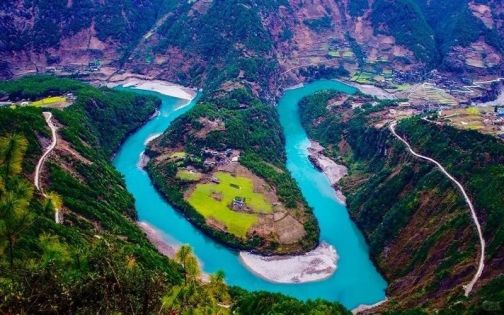
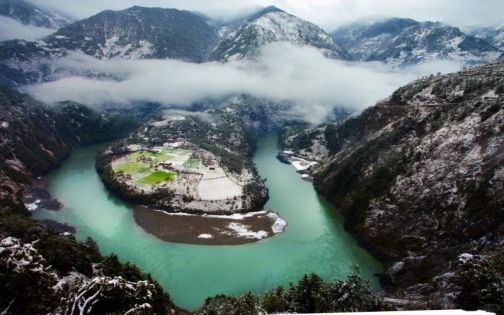
The Nujiang First Bend is located near Ridan Village in Bingzhongluo Township, Gongshan Derung and Nu Autonomous County, Nujiang Lisu Autonomous Prefecture, northwestern Yunnan Province. It is approximately 39 kilometers from Gongshan County town and is one of the most iconic natural landmarks along the Nujiang Grand Canyon.The surrounding mountains rise steeply on both sides of the river, creating a dramatic landscape in which the Nujiang River changes direction as it flows through the gorge. The resulting curve forms the classic panoramic view that has made Bingzhongluo a popular destination for travelers exploring the Nujiang region.For first-time visitors, the Nujiang First Bend is also an excellent starting point for understanding the area’s geography. From an elevated viewpoint, you can observe how the river, mountain slopes, and small settlements fit together within the larger canyon landscape.
How Was the Nujiang First Bend Formed?
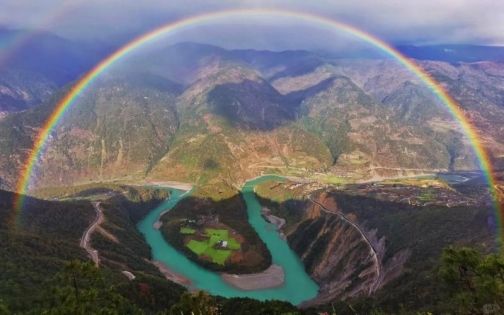
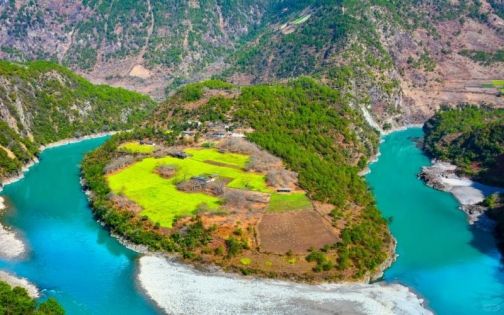
The Nujiang First Bend was shaped by the interaction between the river and the surrounding mountainous terrain over a long period of geological time. As the river passes the steep cliffs around Wangqing, its course changes direction in response to the terrain. Farther downstream, the mountains near Danla Mountain influence the river’s path again, creating a broad, horseshoe-shaped bend.From above, the river appears to wrap around a section of land, forming a striking curve between the mountains. The landscape illustrates how river erosion, changes in elevation, and the structure of the surrounding mountains have shaped the Nujiang Grand Canyon over time.
What Makes the Nujiang First Bend Special?
Dramatic Mountains, a Winding River, and Deep Gorges
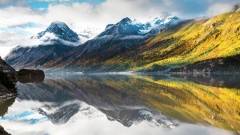
The appeal of the Nujiang First Bend lies in the way several natural elements come together. The river makes a sweeping turn through the canyon, while forest-covered slopes and distant mountain ridges create multiple layers of scenery.On clear days, the outlines of the mountains are sharp, and the contrast between the river and the surrounding vegetation is particularly striking. When clouds and mist move through the valley, parts of the mountains may disappear behind the haze, giving the landscape a softer and more atmospheric appearance.The scenery is constantly changing with the weather and light, which makes the Nujiang First Bend especially rewarding for travelers who enjoy landscape photography.
Kantong Village and the Local Culture
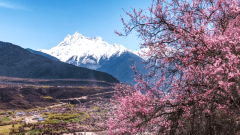
Kantong Village, also known locally as Peach Blossom Island, lies within the wider river-bend landscape. Traditional settlements, agricultural fields, and mountain roads contribute to the peaceful atmosphere of the area.During spring, peach blossoms and rapeseed flowers may appear around some villages, adding color to the surrounding greenery. This seasonal scenery attracts visitors who want to experience a quieter side of Yunnan beyond its more commercial tourist destinations.Local traditions include customs associated with peach blossom celebrations. Some accounts refer to a Peach Blossom Festival held around the tenth day of the second lunar month, although the actual date and whether the event takes place may vary. Travelers hoping to attend should confirm the schedule with local tourism services before making specific plans.When visiting local communities, respect residents’ privacy, avoid entering private property without permission, and ask before photographing people or cultural activities.
Best Time to Visit the Nujiang First Bend
March to May: Spring Flowers and Village Scenery
Spring is an excellent time to explore the Nujiang First Bend. As temperatures rise, the valley gradually becomes greener, and some villages display peach blossoms, rapeseed flowers, and other seasonal blooms.Combining the Nujiang First Bend with Wuli Village and Qiunatong Village makes it possible to enjoy river scenery, traditional settlements, and the surrounding countryside in one trip.Flowering periods vary according to elevation, temperature, and annual weather conditions. If seeing flowers is your main priority, check local updates before departure rather than assuming that every village will be in full bloom at the same time.
June to August: Lush Greenery and Rainy-Season Precautions
Summer brings dense vegetation and rich green colors to the mountain valleys. It can be a beautiful season for travelers who enjoy nature and forest scenery.However, parts of the Nujiang region experience challenging road conditions during the rainy season. Heavy rainfall can increase the risk of falling rocks, landslides, flooding, and temporary road closures. Drivers should check local traffic information, allow extra time, and avoid planning an overly tight itinerary.Although rain can create atmospheric mist, poor visibility may also make driving and photography more difficult. Never stop on a narrow road or in a blind corner just to take a photograph.
September to November: Ideal for Sightseeing and Road Trips
Autumn is generally one of the most appealing periods for exploring the Nujiang Grand Canyon. When the weather is clear, mountain outlines become easier to see, and parts of the forest may display seasonal color changes.This period is particularly suitable for travelers planning a scenic road trip, photographing the river bend, or continuing along the Bingchacha route toward Tibet. Nevertheless, conditions can change quickly in mountainous areas, so checking the forecast and road status remains important.
Is Morning or Afternoon Better?
If you want to photograph the overall shape of the river bend, consider visiting early in the morning or late in the afternoon rather than planning your main photography session for midday.Early morning may bring soft light and occasional mist over the river. In the late afternoon, angled sunlight and mountain shadows can make the curve of the river more pronounced.There is no guarantee that mist will appear every morning, and the quality of afternoon light depends on the season, cloud cover, and the direction of the sun. If midday is your only available option, you can still enjoy the scenery by checking the light and choosing a viewpoint with a clear view of the river.
The Nujiang First Bend
Photography Guide: Where to View and Photograph the Nujiang First Bend
How to Choose the Best Viewpoint
Several viewing areas are located along the roads near Bingzhongluo. Some offer elevated perspectives overlooking the river bend without requiring a long hike. Search for “Nujiang First Bend” in your navigation app, then follow local signs and use designated parking areas.One useful tip is not to leave immediately after taking photographs at the first viewpoint. If road conditions and local regulations permit, compare the scenery from other official viewing locations. Even a short change in position can alter the relationship between the river’s curve, the central landform, and the surrounding mountains.Always prioritize safe access and legal parking over obtaining a particular camera angle.
How to Photograph the River Bend with a Phone or Camera
Wide-angle photography is generally more suitable than telephoto photography for capturing the full landscape. On a smartphone, start with the 0.5x or 1x setting. If you use a camera, choose a suitable wide-angle lens that can include both the river and the surrounding mountain slopes.For a dramatic “small person, vast landscape” composition, position a travel companion near the edge of the frame rather than directly in the center. The contrast in scale can help communicate the size of the canyon.Avoid climbing over barriers or stepping into the road to improve your composition. A safe photograph is always more important than a perfect one.
Why Do Some Visitors Find the Nujiang First Bend Underwhelming?
There are three common reasons.First, the timing may be unsuitable. Under strong midday sunlight, reflections can make the river surface appear bright and flat, while the mountain contours may be less noticeable.Second, visitors may stop at only one viewpoint. This makes it harder to appreciate the relationship between the river’s curve and the surrounding terrain.Third, expectations can influence the experience. The Nujiang First Bend is not primarily a waterfall or a dramatic cliff face. Its appeal comes from the scale of the landscape, the sweeping river curve, and the layers of mountains and vegetation.Allow at least 20–40 minutes to observe the landscape instead of rushing through it. Take time to follow the river’s course and notice how the villages and fields fit into the valley.
How to Get to the Nujiang First Bend
Driving to the Nujiang First Bend
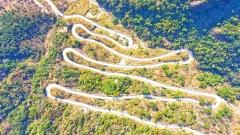
Driving is a convenient option for travelers who want to explore the Nujiang Grand Canyon in depth. A typical route involves reaching Gongshan County first, then continuing toward Bingzhongluo before following navigation instructions and local road signs to the Nujiang First Bend.Actual driving times depend on your starting point, road conditions, weather, traffic restrictions, and ongoing construction. Check the latest road information before departure.The roads along the Nujiang River are often narrow and winding. Never stop in a blind corner, on a narrow section of road, or in a location where your vehicle could obstruct traffic.
Private Transfers and Public Transportation
If you are unfamiliar with mountain driving, hiring a local driver or arranging a private transfer from Gongshan or Bingzhongluo may be more convenient.Before booking, confirm whether the price includes waiting time, transfers to nearby villages, and arrangements in case of road closures or delays.For public transportation, first check available services to Gongshan County or Bingzhongluo Town. You should then confirm local transportation options to the viewpoint with your accommodation or a local travel service. Bus schedules and connections can change by season, so avoid relying entirely on outdated online timetables.
Nearby Attractions: How to Plan a One-Day Trip
Nujiang First Bend, Wuli Village, and Qiunatong Village
If you are staying in Bingzhongluo, you can combine the Nujiang First Bend, Wuli Village, and Qiunatong Village into a scenic day trip.Start at the Nujiang First Bend in the morning, when the light may be softer. Continue to Wuli Village and Qiunatong Village according to road conditions and local access arrangements. Along the way, you can enjoy the canyon scenery and observe traditional village life.This route generally follows a practical northbound direction and can reduce unnecessary backtracking. However, the time needed at each stop depends on road conditions, weather, and village access requirements. If you leave late in the day, reduce the number of stops rather than risk driving long distances on mountain roads after dark.
Extending Your Trip to Puhua Temple and the Bingchacha Route
If you have more time, consider visiting Puhua Temple and other attractions around Bingzhongluo, depending on your interests and the available time.Travelers continuing toward Zayü in Tibet may also consider sections of the Bingchacha route, a well-known mountain road journey. Some sections are rugged and may involve narrow roads, tunnels, falling-rock hazards, and temporary traffic restrictions.Before setting out, confirm whether the road is open, whether your vehicle is suitable, and whether any travel permits or other formalities are required. A sightseeing transfer around Bingzhongluo should not be treated as equivalent to a demanding mountain-road expedition.
The Nujiang First Bend
Where to Stay Near the Nujiang First Bend
If the Nujiang First Bend is your main destination and you also plan to visit Wuli Village and Qiunatong Village, staying in Bingzhongluo Town is a practical choice. It reduces unnecessary driving and makes early-morning sightseeing easier.When choosing accommodation, check room cleanliness, hot-water availability, heating facilities, breakfast options, parking, and whether dinner is available on-site. Facilities and services in mountain villages may be more basic than those in larger cities.Room rates and availability can change during peak travel periods, so advance booking is recommended.If you plan to continue toward the Dulongjiang area or along the Bingchacha route, choose your overnight stops according to the actual road itinerary rather than estimating travel time from straight-line distances on a map.
Practical Travel Tips for the Nujiang First Bend
Weather, Road Conditions, and Safety
Temperatures can vary considerably between morning and evening in the Nujiang mountain valleys. Bring a warm jacket, comfortable shoes with good grip, and rain protection.Fog and rain can make mountain roads slippery and reduce visibility. Drive slowly, especially around bends, and remain alert for oncoming traffic and falling rocks.Mobile coverage may be unreliable in some remote areas. Download offline maps before departure and save your accommodation details and important contact information on your phone.If you plan to continue toward Dulongjiang or the Bingchacha route, check road access, permit requirements, and the availability of fuel, food, and other supplies in advance.
Respect Local Culture and Protect the Environment
Bingzhongluo is home to several ethnic communities with distinctive cultural traditions. Respect local customs and follow the rules when entering villages, temples, and other culturally significant places.Ask permission before photographing people or private spaces, and avoid interrupting religious activities.Do not leave rubbish, pick plants, or approach unstable riverbanks. Protecting the natural environment and respecting local residents help preserve the character of the Nujiang Grand Canyon for future visitors.
The Nujiang First Bend
Is the Nujiang First Bend Worth Visiting?
The Nujiang First Bend is one of the signature landscapes of Bingzhongluo and is especially suitable for travelers interested in mountain scenery, road trips, landscape photography, and traditional village culture.Its appeal lies not only in the dramatic curve of the river but also in the way water, forests, fields, and settlements come together within the canyon.For the best experience, consider visiting between March and May or September and November. Aim for early morning or late afternoon if your schedule allows, and leave enough time to compare different viewpoints. Combining the Nujiang First Bend with Wuli Village and Qiunatong Village will give you a more complete introduction to the natural and cultural character of the region.The Nujiang First Bend may not deliver an immediate, overwhelming spectacle at first glance. But when you slow down and observe how the river winds around the mountains and how villages fit into the valley, you begin to understand why this remarkable bend is worth the journey.