
Tibet is often imagined as a land of towering mountains, ancient monasteries, and vast plateaus bathed in golden sunlight. While summer draws crowds seeking lush landscapes, the cold months reveal a completely different side of the Roof of the World. Exploring the must-visit attractions in Tibet during winter offers an experience defined by crystal-clear skies, fewer tourists, and deeply spiritual atmospheres. The air is crisp, the views are unobstructed, and the cultural heartbeat of the region feels more intimate than ever. Whether you are a seasoned traveler or planning your first high-altitude adventure, winter transforms familiar landmarks into breathtaking spectacles.
Key Takeaways
- Lhasa offers mild winter days and deep cultural immersion.
- Mount Everest provides unparalleled clear summit views in winter.
- Yamdrok Lake freezes into a stunning sapphire landscape.
- Fewer tourists mean a more authentic, peaceful travel experience.
- Proper preparation ensures a safe and comfortable high-altitude journey.
Why Explore the Must-Visit Attractions in Tibet During Winter?
Traveling to the Tibetan Plateau in the colder months might seem counterintuitive to some, but seasoned travelers know it is one of the best-kept secrets in Asian tourism. When you set out to discover the must-visit attractions in Tibet during winter, you are rewarded with conditions that simply do not exist during the peak summer season. The most immediate benefit is the sky. Winter brings dry, stable weather patterns that strip away the clouds and haze, leaving behind a canopy of deep, piercing blue. This clarity dramatically improves visibility, making distant mountain peaks appear close enough to touch.
Another compelling reason to visit during this time is the dramatic reduction in tourist numbers. Famous sites like the Potala Palace or Jokhang Temple, which can feel overwhelmingly crowded in July or August, return to their natural state as active centers of local worship and daily life. You will find yourself sharing these sacred spaces primarily with local pilgrims, offering a much more genuine cultural exchange. Furthermore, the low season means better availability for accommodations and often reduced prices for flights and hotels, making your journey more budget-friendly without sacrificing quality.
The light during the winter months is also a photographer’s dream. The sun sits lower in the sky, casting long, dramatic shadows across the valleys and illuminating the white-washed walls of monasteries with a soft, warm glow. Every corner of the plateau seems designed for the camera lens during this season. For those who seek solitude, spiritual reflection, and raw natural beauty, the winter months provide an environment that is both challenging and profoundly rewarding.
Lhasa: The Sunlit Heart of the Plateau
Lhasa is known as the “Sunlight City,” and this title holds especially true when you visit the must-visit attractions in Tibet during winter. Despite being situated at an elevation of over 3,600 meters, Lhasa enjoys surprisingly mild daytime temperatures during the colder months, often reaching around 10 to 15 degrees Celsius under direct sunlight. The city becomes a haven for those looking to escape the gloom of winter elsewhere, offering bright, sunny days perfect for exploration.
The Potala Palace in Winter Splendor
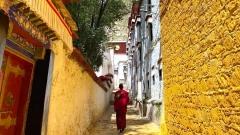
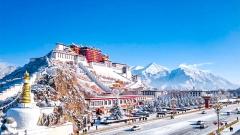
No trip to Lhasa is complete without visiting the Potala Palace, the iconic fortress that dominates the city skyline. In winter, the palace takes on an even more majestic appearance. Occasional dustings of snow cap its golden roofs and contrast sharply against the stark white and deep red walls. Because visitor numbers are strictly limited year-round, securing tickets in winter is significantly easier, allowing you to explore the chapels, stupas, and living quarters of former Dalai Lamas at a relaxed pace. The silence inside the thick stone walls amplifies the scent of juniper incense and the soft chanting of monks, creating an atmosphere of profound reverence.
Jokhang Temple and Barkhor Street
Jokhang Temple is the spiritual center of Tibet, and winter is arguably the most powerful time to witness it. Thousands of pilgrims travel from remote corners of the plateau to prostrate themselves before the temple, a journey many specifically undertake during the quieter months. Walking the Barkhor Street circuit surrounding the temple, you will be swept up in the clockwise flow of devotees spinning prayer wheels and murmuring mantras. The sweet tea houses lining the alleys offer a warm refuge where you can sit by a traditional yak-dung stove, sip butter tea, and watch the world go by through frosted windows.
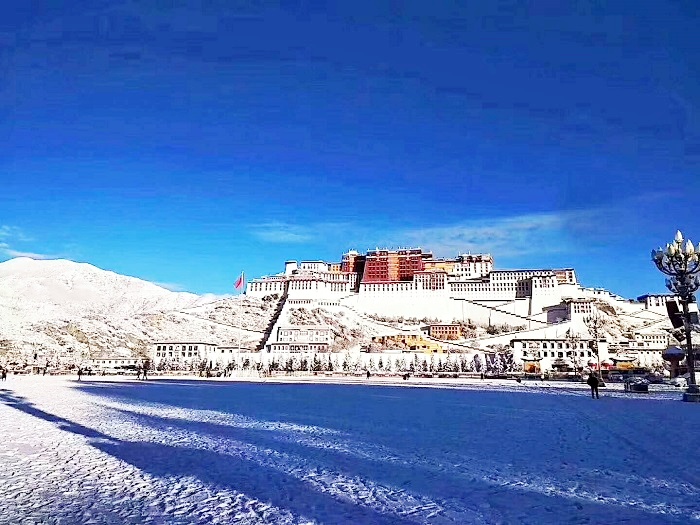
Potala Palace in Winter
Mount Everest Base Camp: Unobstructed Views of the World’s Highest Peak
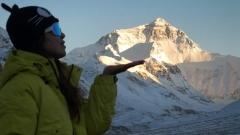
Many assume that reaching Mount Everest Base Camp (EBC) is exclusively a summer endeavor, but exploring this pinnacle among the must-visit attractions in Tibet during winter offers something summer cannot: a guaranteed, cloud-free view of the summit. During the warmer months, the peak of Mount Everest is frequently shrouded in heavy clouds and monsoon mist. In winter, the jet stream shifts, and the skies above the Himalayas clear out almost entirely.
Standing at EBC, located at approximately 5,200 meters, you are greeted by a panoramic wall of snow-capped giants. The sheer scale of Everest, flanked by peaks like Lhotse and Nuptse, is staggering when viewed through the crisp winter air. The Rongbuk Monastery, the highest monastery in the world, sits nearby, offering a quiet place to reflect on the enormity of the landscape. While the temperatures here drop well below freezing, especially at night, the daytime sun provides enough warmth to make standing outside and absorbing the view entirely manageable, provided you are dressed in appropriate thermal layers.
It is important to note that the road to EBC is generally kept open during winter, though sudden snowstorms can occasionally cause temporary delays. Travelers should ensure their vehicles are equipped for icy conditions and that they have acclimatized properly in Shigatse or Tingri before ascending to the base camp altitude.
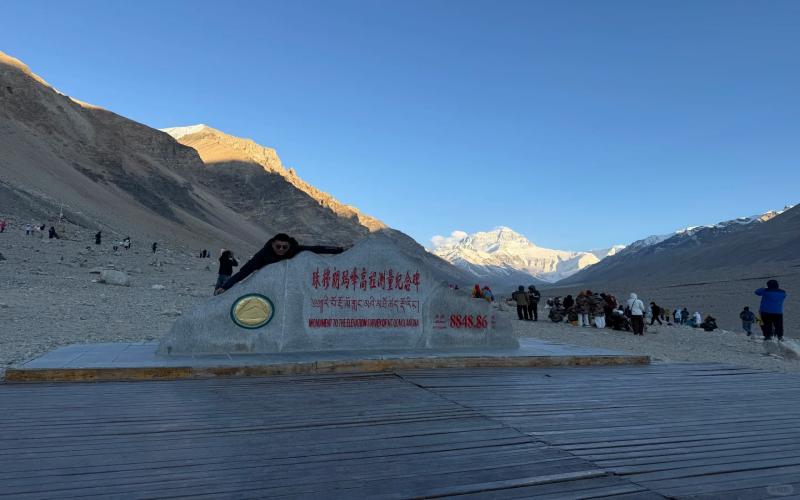
Everest Base Camp
Yamdrok Lake: A Sapphire Frozen in Time
Yamdrok Lake is one of the three great sacred lakes of Tibet, and witnessing it as part of your tour of the must-visit attractions in Tibet during winter is a surreal experience. Located about two hours south of Lhasa, the lake winds through the mountains like a serpentine ribbon of impossible turquoise. In the depths of winter, the edges of the lake begin to freeze, creating intricate patterns of ice that frame the deep blue water.
Unlike some lakes that freeze solid, Yamdrok’s depth and mineral content often keep its center liquid, resulting in a striking visual contrast between the opaque white ice shelves and the vibrant sapphire waters. The surrounding mountains, blanketed in snow, reflect off the calm surface of the lake, doubling the majesty of the landscape. The drive to Yamdrok involves crossing the Kamba La Pass at nearly 4,800 meters, where prayer flags snap violently in the winter wind, offering dramatic photo opportunities.
Visiting Yamdrok in winter means you will likely have the viewpoints almost entirely to yourself. The absence of large tour buses allows for a quiet, contemplative experience. Local herders can sometimes be seen guiding their yaks along the frozen shores, adding a touch of pastoral life to the otherwise otherworldly scenery.
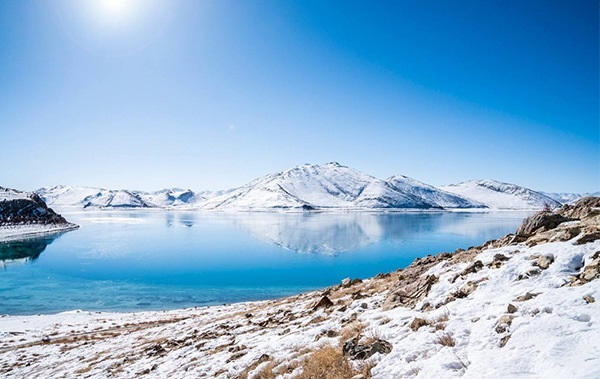
Yamdrok in Winter
Namtso Lake: The Heavenly Ice Landscape
If Yamdrok is a sapphire, Namtso Lake is a vast, frozen mirror reflecting the heavens. As one of the highest saltwater lakes in the world, sitting at over 4,700 meters, Namtso undergoes a dramatic transformation in winter. It is undoubtedly one of the most visually arresting must-visit attractions in Tibet during winter, drawing photographers and adventurers who are prepared for the extreme cold.
By mid-winter, Namtso freezes completely. The surface does not just turn to flat ice; the relentless winds and temperature fluctuations push the ice into massive ridges, blocks, and sculptural formations that resemble a shattered glass ocean frozen in time. The color palette shifts from the deep blues of summer to brilliant whites, pale blues, and translucent greens where the ice is thinnest. Behind the lake, the snow-covered Nyainqentanglha mountain range forms a continuous, jagged horizon.
Reaching Namtso in winter requires careful planning. The Nagenla Pass, which you must cross to reach the lake, can accumulate heavy snow. Road access is highly dependent on current weather conditions, and local authorities may restrict entry if the roads become impassable. However, for those who successfully make the journey, the sight of the frozen heavenly lake under a star-filled winter sky is an experience that defies description.
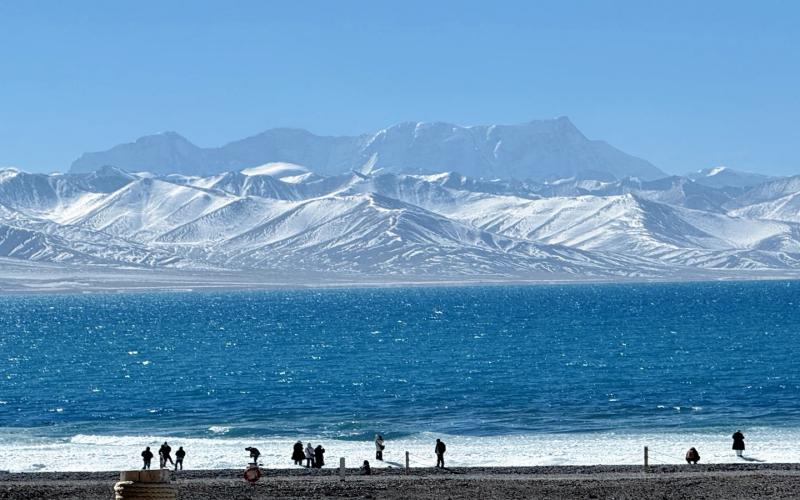
Namtso Lake
Tashilhunpo Monastery: Winter Serenity in Shigatse
Shigatse, Tibet’s second-largest city, serves as the gateway to Everest and houses its own incredible treasures. When mapping out the must-visit attractions in Tibet during winter, Tashilhunpo Monastery deserves a prominent spot. As the traditional seat of the Panchen Lama, this sprawling complex is a vital center of Tibetan Buddhism, featuring towering golden stupas, extensive mural paintings, and labyrinthine courtyards.
In winter, the monastery quiets down significantly. The usual rush of visitors dissipates, leaving the corridors to the monks going about their daily studies and rituals. You can wander through the halls housing the massive Maitreya Buddha statue—the largest of its kind in the world—in near silence. The winter sunlight filters through the narrow windows, illuminating the gold leaf and ancient pigments of the murals in a way that feels incredibly intimate.
Shigatse itself is slightly lower in elevation than Lhasa, making it a comfortable stop for acclimatization. The local markets remain active throughout the winter, selling dried meats, tsampa (roasted barley flour), and heavy woolen clothing. Taking a few days to explore Shigatse allows travelers to adjust to the altitude gradually before pushing further west toward the Everest region.
Samye Monastery: Tibet’s First Buddhist Sanctuary
Located in the Yarlung Tsangpo River valley, Samye Monastery holds the historical distinction of being the first Buddhist monastery built in Tibet. Its inclusion among the must-visit attractions in Tibet during winter is justified by its unique architecture and the tranquil atmosphere that blankets the valley during the colder months.
Samye was designed as a three-dimensional mandala, representing the Buddhist universe. The central temple symbolizes Mount Meru, surrounded by smaller temples representing continents and oceans, all enclosed within a circular wall. In winter, the brown and yellow hues of the surrounding sand dunes and barren hills contrast beautifully with the colorful facades of the monastery buildings.
Because Samye is somewhat remote, requiring a ferry crossing or a long detour depending on bridge conditions, it sees very few tourists in winter. This isolation preserves its ancient ambiance. Monks can be seen debating in the courtyards, their voices carrying clearly in the thin, cold air. Staying overnight in the monastery’s guesthouse offers a rare opportunity to experience monastic life firsthand, waking up to the sound of horns and drums calling the monks to morning prayers.
Essential Tips for Visiting Must-Visit Attractions in Tibet During Winter
Embarking on a winter journey to the Tibetan Plateau requires more preparation than a summer trip. Understanding the specific challenges of the season ensures that your exploration of the must-visit attractions in Tibet during winter remains safe, comfortable, and enjoyable.
Managing Altitude Sickness in Cold Weather
Altitude sickness is a year-round concern in Tibet, but winter introduces additional factors. The air is thinner and drier, which can exacerbate symptoms like headaches, shortness of breath, and fatigue. It is crucial to ascend gradually. Spend at least two to three days in Lhasa resting and hydrating before attempting higher elevations like Namtso or Everest Base Camp. Avoid alcohol and heavy exertion during your first few days. Carrying supplemental oxygen canisters, readily available in Lhasa pharmacies, provides peace of mind for higher passes.
Dressing for Extreme Temperature Swings
Winter in Tibet is characterized by extreme temperature differences between day and night. While the midday sun can make you feel quite warm, temperatures plummet rapidly once the sun dips behind the mountains. Layering is the most effective strategy. Start with moisture-wicking thermal base layers, add insulating mid-layers like fleece or down, and finish with a windproof and waterproof outer shell. Protect your extremities with high-quality insulated gloves, thick wool socks, and a warm hat that covers your ears. Sunglasses and high-SPF sunscreen are mandatory, as the high-altitude winter sun reflects intensely off the snow and ice.
Navigating Transportation and Road Conditions
Roads connecting the major attractions are generally maintained, but winter weather can be unpredictable. Snowstorms can temporarily close high mountain passes, particularly on the routes to Namtso and Everest. Hiring an experienced local driver who understands the terrain and current road conditions is highly recommended over self-driving. Vehicles should be equipped with snow chains and emergency supplies. Flights into Lhasa Gonggar Airport operate year-round, though occasional winter weather delays can occur, so building buffer days into your schedule is wise.
Planning Your Journey with China Dragon Travel
Navigating the logistical complexities of a winter expedition to the Tibetan Plateau requires expertise and local knowledge. This is where partnering with a specialized agency like China Dragon Travel becomes invaluable. Organizing permits, arranging reliable transportation suited for icy roads, and booking accommodations with adequate heating systems are tasks best handled by professionals who understand the nuances of the region during the low season.
China Dragon Travel has extensive experience in crafting itineraries that highlight the must-visit attractions in Tibet during winter while prioritizing traveler safety and comfort. Their local guides possess deep cultural knowledge, transforming a simple sightseeing trip into a profound educational experience. They monitor weather patterns closely, adjusting routes dynamically to avoid closed passes while ensuring you still witness the spectacular winter landscapes. Whether you wish to meditate in the quiet halls of Tashilhunpo or stand in awe beneath the clear summit of Everest, professional support makes the difference between a stressful ordeal and a seamless adventure.
Furthermore, traveling during the winter low season often opens up unique opportunities for customized experiences that larger summer groups cannot access. Agencies like China Dragon Travel can arrange private viewings, special interactions with local communities, and tailored photography stops that take full advantage of the extraordinary winter light. By entrusting your logistics to experts, you free yourself to focus entirely on the spiritual and visual wonders of the plateau, knowing that every detail of your journey through the snow-draped Himalayas has been meticulously planned for your safety and enjoyment.