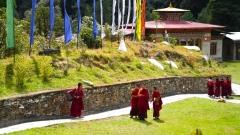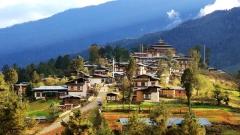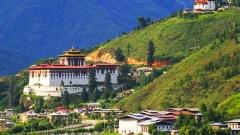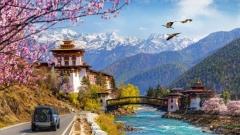

Nestled in the eastern Himalayas, Bhutan has long attracted international travelers with its well-preserved traditions, dramatic mountain valleys, Buddhist heritage, and peaceful way of life. Often described as one of the world’s most distinctive Himalayan destinations, Bhutan has also been recognized by Lonely Planet among the world’s recommended countries to visit. At the same time, its unique tourism system, relatively high travel costs, limited transportation connections, and distinctive accommodation arrangements can make trip planning unfamiliar for first-time visitors.
To help international travelers prepare with confidence, this guide answers 13 of the most frequently asked questions about traveling to Bhutan. It covers independent travel, the Sustainable Development Fee (SDF), the best seasons to visit, money, food, internet access, health, local customs, packing, accommodation, and itinerary planning.
Key Points
- Bhutan is not a completely independent-travel destination, and an English-speaking guide and driver are generally required for travel beyond certain areas and for trekking arrangements.
- Most international visitors need to pay the Sustainable Development Fee (SDF), so it is important to understand this cost when planning your Bhutan travel budget.
- Spring is excellent for flowers, hiking, and fresh mountain landscapes, while autumn is ideal for clear views, comfortable weather, and traditional festivals.
- Paro, Thimphu, and Punakha can form an excellent classic Bhutan itinerary for travelers with around 5–7 days.
- Visitors should prepare for local customs, cash-based payments, temple etiquette, changing hot-water availability, and significant temperature differences between day and night.
1. Can You Travel Independently In Bhutan?
Bhutan is different from many popular Asian destinations where travelers can simply book their own hotels, transportation, and sightseeing independently. While visitors can enjoy a degree of flexibility in Paro and Thimphu, traveling to other regions and arranging trekking activities generally requires support from a local guide and driver.
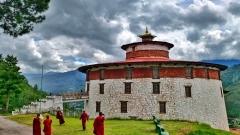
For international travelers, this arrangement can actually make the journey easier. Bhutan’s mountain roads can be time-consuming, and transportation between valleys requires careful planning. Having an experienced English-speaking tour guide also adds considerable value when visiting monasteries, dzongs, temples, and cultural sites. Instead of simply seeing an old building, you can learn about Bhutanese Buddhism, architecture, festivals, traditions, and everyday life.
Most international visitors therefore work with a Bhutanese or international travel agency to arrange accommodation, transportation, guides, the SDF, and other travel services. Travelers who prefer privacy do not necessarily need to join a large group. A private trip for two people can be customized around your preferred travel dates, budget, hotel category, interests, and activity level.
Travel regulations can differ for citizens of India, Bangladesh, and the Maldives, so travelers from these countries should check the rules applicable to their nationality before making arrangements.
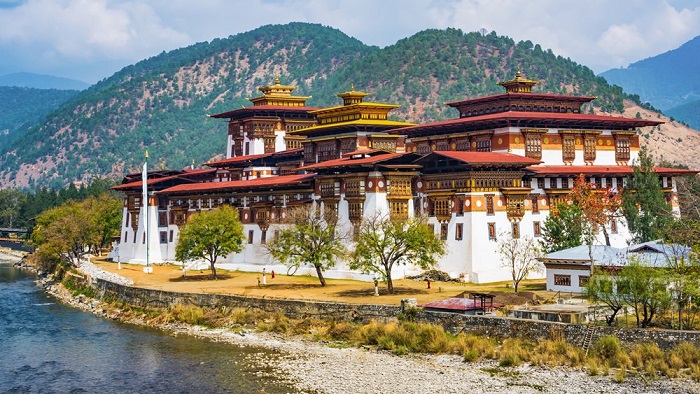
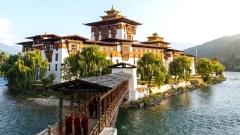
Punakha Dzong
2. Why Is Bhutan More Expensive To Visit? Can You Travel On A Budget?
Bhutan can be more expensive than many other destinations in Asia. Several factors contribute to the overall cost, including the Sustainable Development Fee, limited international flight connections, mountainous transportation, and the relatively small hotel market.
For most international adult travelers, the SDF is currently US$100 per person per day. Children under six generally do not pay the fee, while children aged six to twelve may qualify for a reduced rate. Because tourism regulations can change, travelers should confirm the latest official SDF requirements before departure.
The SDF is designed to support areas such as environmental protection, education, healthcare, infrastructure, and sustainable development. It is therefore an important part of Bhutan’s tourism model rather than simply an additional hotel or sightseeing charge.
Your overall travel budget should also include international flights, accommodation, meals, transportation, an English-speaking guide and driver, visa-related costs where applicable, and personal expenses.
Bhutan is not an ideal destination for ultra-low-budget travel, but there are still ways to manage costs. A 5–7 day classic itinerary can provide a good introduction to the country without requiring an extended stay. Traveling with another person can also make certain private-trip costs more economical. Booking flights and accommodation well in advance may further reduce the risk of paying higher last-minute prices.
3. What Is The Best Time To Visit Bhutan?
Bhutan is a year-round destination, but different seasons are better suited to different types of travel.
Spring, from March to May, is particularly attractive for nature lovers, photographers, and hikers. Temperatures become more comfortable, mountain vegetation turns green, and rhododendrons and other flowers begin to bloom. It is an excellent period for exploring valleys and enjoying outdoor activities.
Summer, from June to August, is influenced by the South Asian monsoon. Rainfall is more frequent, especially in mountainous and southern areas, and heavy showers can occasionally affect road travel. However, the countryside becomes exceptionally green, and travelers who prefer a quieter atmosphere may enjoy visiting during this period.
Autumn, from September to November, is one of the most popular periods for international visitors. Weather is generally pleasant, mountain visibility can be excellent, and the countryside offers beautiful conditions for photography. Several towns and valleys also host traditional festivals during this season.
Winter, from December to February, is colder and considerably quieter. Days can still be sunny, while nights become cold, particularly at higher elevations. Winter also offers opportunities to see seasonal wildlife in places such as Phobjikha Valley, where black-necked cranes may arrive during the colder months.
If attending a traditional festival is one of your main reasons for visiting Bhutan, check the festival calendar carefully before booking. Tsechu festivals take place on different dates in different locations, and popular periods can fill quickly.
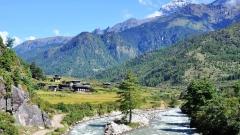
4. What Currency Does Bhutan Use? Can You Use Credit Cards And ATMs?
Bhutan’s official currency is the Ngultrum (BTN), commonly abbreviated as Nu. It is pegged to the Indian rupee at a one-to-one rate.
For international travelers, carrying some US dollars can be useful because they can generally be exchanged in major towns such as Paro and Thimphu. Smaller denominations are particularly convenient for tips and minor purchases.
Credit cards are increasingly accepted at hotels, larger shops, and some handicraft stores, although additional transaction fees may apply. In rural areas, markets, small restaurants, and local shops, cash remains more practical.
ATMs are available in major towns and may accept international cards, but travelers should not rely entirely on withdrawing money after arrival. It is wise to carry sufficient backup cash, particularly when traveling to remote valleys.
Bhutan does not have a universal mandatory tipping culture, but tipping is a common way for visitors to show appreciation for good service. Travelers may tip English-speaking guides, drivers, porters, or trekking staff according to the quality and length of service. Your travel agency can provide a suggested tipping guideline before departure.
Popular souvenirs include traditional textiles, woodcraft, Buddhist handicrafts, incense, thangka paintings, local honey, coffee, and other handmade products. Be especially careful when purchasing antiques, old religious statues, beads, or other objects that may be considered cultural heritage, as their export can be restricted.
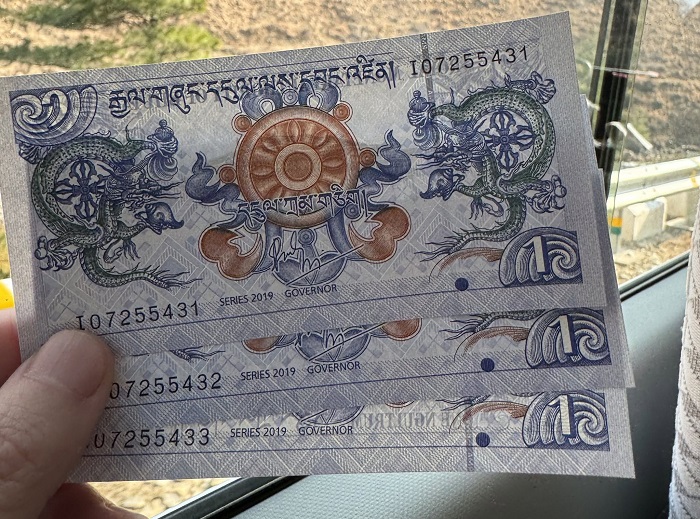
Ngultrum
5. What Kind Of Food Can You Expect In Bhutan? Is Vegetarian Food Available?
Bhutanese cuisine is closely associated with red rice, vegetables, potatoes, cheese, and chili peppers. One of the country’s most famous dishes is Ema Datshi, a combination of chili and cheese that can be considerably spicier than many international visitors expect.
If you do not normally eat spicy food, tell your English-speaking guide or restaurant staff in advance. Restaurants can often adjust the level of chili or recommend milder dishes.
Vegetarian travelers generally have a good range of options. Traditional Bhutanese meals often include vegetables, rice, potatoes, and cheese, while restaurants in tourist areas may also serve Indian, Chinese, Tibetan, and international dishes.
Travelers with allergies or specific dietary requirements should inform their travel agency before arrival. This gives restaurants and hotels more time to prepare suitable meals.
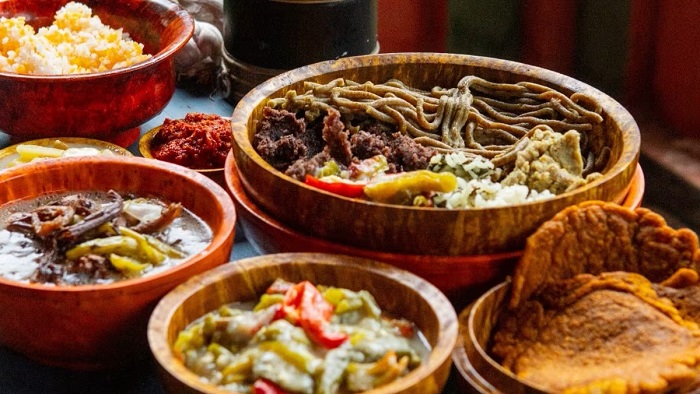
Bhutanese Cuisine
6. Is Internet Access Available In Bhutan?
Internet access is increasingly common in Bhutan, particularly in major tourist destinations. Most hotels in Paro, Thimphu, Punakha, and other frequently visited areas provide Wi-Fi.
However, connectivity can become less reliable when traveling through remote mountain areas. Some roads and valleys may have weak or intermittent mobile signals.
If staying connected is important to you, consider purchasing a local SIM card or confirming whether your travel agency can arrange a suitable mobile data solution. Do not assume that every international roaming package or global eSIM automatically includes Bhutan.
For travelers who need reliable communication for work, it is especially important to check coverage before entering remote areas.
7. Can You Experience Altitude Sickness In Bhutan? Is Bhutan Suitable For Seniors And Children?
Bhutan’s tourist destinations range from relatively low valleys to areas above 3,000 meters, so altitude conditions vary considerably. Most classic sightseeing routes are not at extreme Himalayan elevations, but some visitors may still experience mild symptoms such as headaches, tiredness, faster breathing, or disturbed sleep.
The best approach is to take the first day relatively slowly, stay hydrated, and avoid immediately undertaking strenuous activities. Tell your English-speaking guide if you feel unwell rather than trying to continue with a demanding hike.
Bhutan can be suitable for families and older travelers, provided the itinerary matches their physical condition. Not every Bhutanese activity requires strenuous hiking. A travel agency can select easier walking routes and arrange appropriate transportation.
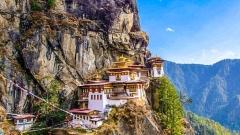
The hike to Tiger’s Nest Monastery is one of Bhutan’s most famous experiences, but it requires a reasonable level of fitness. For many travelers, it is better to schedule this hike after spending several days in Bhutan rather than attempting it immediately after arrival.
Anyone with significant medical concerns should discuss high-altitude travel with a qualified medical professional before departure.
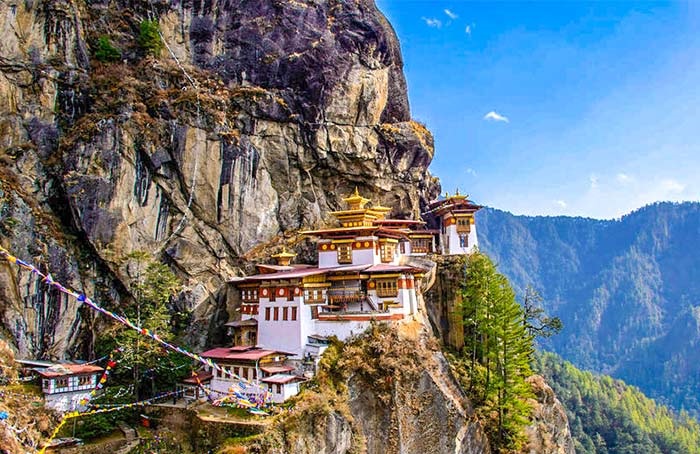
Tiger’s Nest Monastery
8. What Customs And Etiquette Should You Know? Is Bhutan Safe?
Bhutan is generally considered a peaceful and welcoming destination, but visitors should respect local customs, especially when entering Buddhist religious sites.
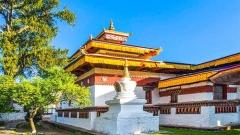
When walking around certain stupas and prayer wheels, follow the local tradition of moving clockwise. Monasteries and dzongs are sacred places, so visitors should avoid loud behavior, inappropriate gestures, or casual treatment of religious objects.
Photography rules vary. Some temples, monastery interiors, museums, and religious areas do not permit photography, so always ask your English-speaking guide or local staff before taking pictures.
Dress modestly when visiting religious sites. Clothing that covers the shoulders and knees is generally appropriate, while revealing tops, very short shorts, and similar clothing should be avoided. Visitors may also be asked to remove hats or certain outerwear before entering indoor religious spaces.
Smoking is regulated, and visitors should only smoke where it is permitted. Bhutan also has particular cultural traditions surrounding alcohol consumption, including restrictions associated with Tuesdays.
Hot-water availability can also vary between properties. Hotels in major towns generally provide standard facilities, but smaller or more remote accommodations may have limitations, particularly during colder periods. Do not be surprised if hot water is not continuously available in every rural property.
9. What Should You Pack For A Bhutan Trip?
Packing for Bhutan is relatively straightforward if you prepare for changing temperatures and different types of activities.
Comfortable walking shoes are essential because many sightseeing sites involve stairs, uneven paths, or short hikes. If you plan to trek, bring proper hiking footwear that you have already worn before your trip.
Useful items include a small daypack, hiking poles if needed, personal medication, motion-sickness medicine, tissues, wet wipes, sunscreen, lip balm, moisturizer, sunglasses, and a hat.
Layered clothing is particularly useful because temperatures can change significantly between morning, afternoon, and evening. Depending on the season, bring long-sleeved clothing, a fleece layer, a warm jacket, and a waterproof outer layer.
For winter travel, a down jacket, thermal clothing, gloves, and warm socks are recommended.
Bhutan generally uses electricity at around 220–240 volts. Plug types can vary, so an international travel adapter is useful. A small extension cord can also be convenient when staying in hotels where electrical outlets are limited.
10. What Are The Best Things To Do In Bhutan? How Many Days Do You Need?
Bhutan offers much more than monasteries and dzongs. Travelers can explore mountain valleys, traditional villages, hiking trails, farms, local markets, Buddhist temples, archery grounds, and hot-stone baths.
For a first visit, around 6 days can provide enough time to experience Paro, Thimphu, and Punakha without making the itinerary excessively rushed.
Travelers with 6–10 days can explore more deeply and consider adding destinations such as Gangtey, Phobjikha Valley, or central Bhutan. Those with two weeks or more can venture farther east and experience a quieter side of the country that receives fewer international visitors.
The best itinerary depends on your interests. A photography-focused trip may emphasize mountain viewpoints and rural landscapes, while a cultural journey may spend more time at monasteries, festivals, villages, and traditional craft centers. Hikers can also select routes according to the season and their physical ability.
Remember that road journeys in Bhutan can take longer than expected because of mountainous terrain. A less crowded itinerary with fewer destinations often creates a better travel experience than trying to visit too many places in a short time.
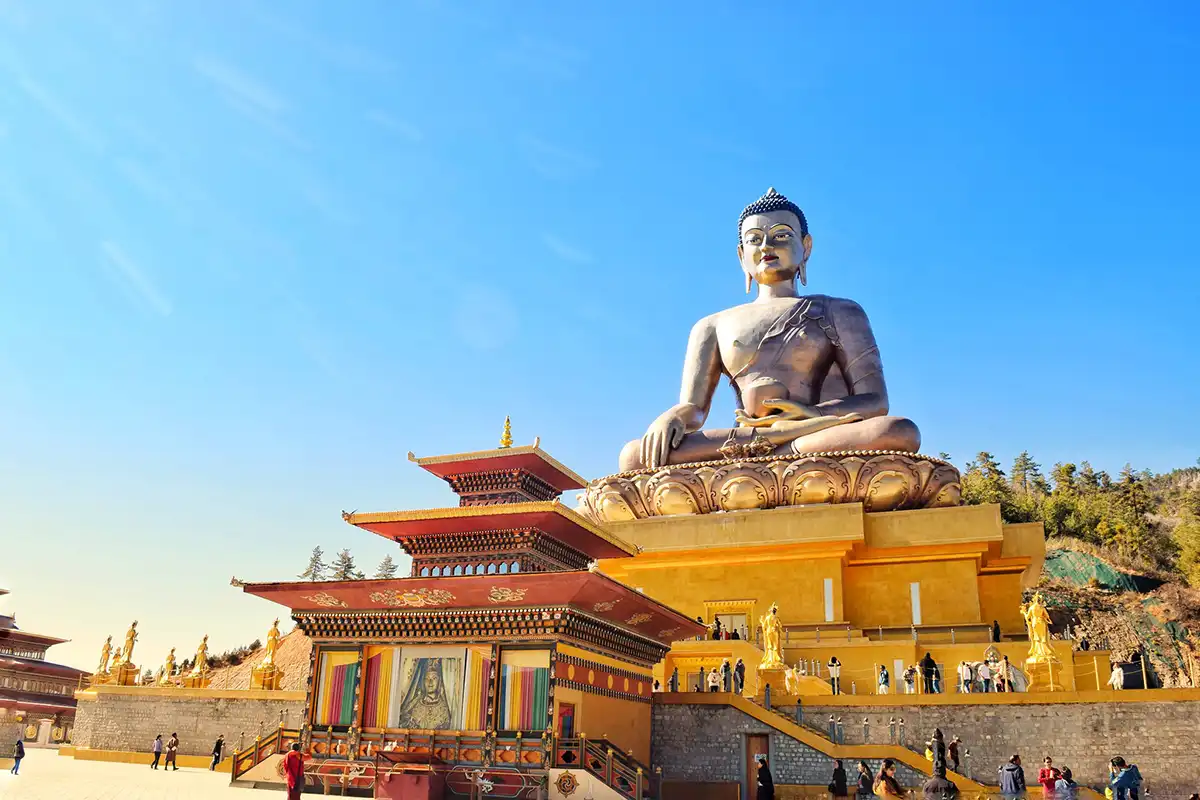
11. What Languages Are Spoken In Bhutan? Is English Widely Used?
Dzongkha is Bhutan’s official language, but the country is linguistically diverse and several regional languages are spoken.
For international visitors, communication is generally manageable in the main tourist destinations because English is widely used in education and tourism. Hotels, restaurants, travel companies, and professional guides commonly use English when communicating with foreign travelers.
For this reason, an English-speaking guide is a practical choice for most international visitors. Your guide can assist with communication while also explaining Bhutanese history, Buddhism, architecture, festivals, customs, and local traditions.
Travelers who require a Chinese-speaking guide should request one well in advance because the availability of guides in less commonly requested languages may be limited.
12. Can You Wear Bhutanese Traditional Clothing?
Bhutanese traditional clothing is an important part of the country’s cultural identity. Men traditionally wear the Gho, while women wear the Kira. Traditional dress remains common in formal settings and many aspects of everyday life.
International visitors can experience Bhutanese clothing in Paro and Thimphu by renting or purchasing traditional garments. Depending on the itinerary, some travel agencies can also arrange cultural experiences where visitors dress traditionally and participate in activities such as archery or a local meal.
For travelers interested in photography, wearing Bhutanese clothing in a traditional setting can create memorable photographs while offering a more immersive cultural experience. Always follow local guidance and treat traditional clothing and religious settings respectfully.
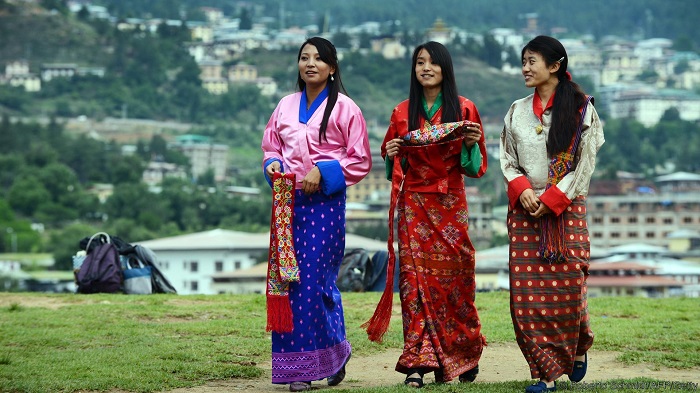
Kira
13. How Can You Book Amankora In Bhutan?
Amankora is one of Bhutan’s best-known luxury hospitality brands, with lodges in destinations including Paro, Thimphu, Punakha, Gangtey, and Bumthang. Its properties combine Bhutanese architectural traditions with a high level of comfort and privacy.
Because Amankora is positioned at the luxury end of the market, accommodation costs can be substantial. Availability during popular travel periods can also be limited, so travelers interested in staying at several Amankora lodges should plan well in advance.
Amankora offers different stay combinations depending on the number of nights and locations. Travelers can therefore build a multi-lodge experience around their itinerary rather than staying in one property throughout the trip.
Some periods, including parts of the low season, may offer more attractive rates or special packages, although conditions can vary and longer minimum stays may apply.
For international visitors who want to combine several Amankora properties with sightseeing, transportation, and an English-speaking guide, working with a travel agency can make the logistics considerably easier. The locations are spread across different valleys, so accommodation selection should be planned together with the overall route rather than separately.
How Should First-Time Visitors Plan A Bhutan Trip?
For a first trip to Bhutan, Paro, Thimphu, and Punakha provide an excellent introduction to the country’s culture, scenery, and traditional architecture. Paro is home to Tiger’s Nest and other important cultural sites, Thimphu offers insight into modern Bhutanese life and government, while Punakha is known for its impressive dzong, river valleys, and rural landscapes.
Travelers should choose their itinerary according to the number of available days, physical ability, preferred hotel standard, and interests. If hiking is important, allow additional time rather than trying to fit long treks into an already busy sightseeing schedule.
A private customized trip is often particularly suitable for international visitors who want flexibility. When planning with China Dragon Travel, travelers can discuss their preferred travel dates, budget, hotel category, destinations, activity level, and English-speaking guide requirements before confirming the itinerary. The agency can also help coordinate accommodation, transportation, SDF-related arrangements, and other practical details.
Final Thoughts On Traveling To Bhutan
Bhutan may require more preparation than a conventional Southeast Asian holiday, but understanding its tourism system makes the planning process much easier. Before departure, international travelers should pay particular attention to the SDF, entry requirements, travel season, accommodation, transportation, clothing, local customs, and payment methods.
Spring is an excellent choice for flowers, hiking, and fresh landscapes, while autumn is especially appealing for clear mountain views, comfortable weather, and traditional festivals. Summer brings more rain but lush green scenery and fewer visitors, while winter offers a quieter atmosphere and crisp mountain landscapes.
The real attraction of Bhutan extends beyond its famous monasteries and landmarks. Mountain valleys, traditional homes, Buddhist culture, local crafts, festivals, village life, and the country’s unhurried rhythm all contribute to the experience.
With thoughtful planning and the support of an experienced travel agency, international visitors can enjoy Bhutan at a comfortable pace and gain a deeper understanding of this remarkable Himalayan kingdom.