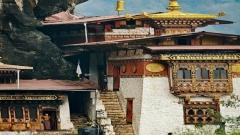
Bhutan, officially known as the Kingdom of Bhutan, is a small landlocked country on the southern slopes of the Himalayas, between China and India. Although its territory is relatively small, Bhutan has gained international attention for its Buddhist culture, protected natural environment, distinctive architecture and unique approach to national development through Gross National Happiness (GNH).
But what is Bhutan really like? Beyond the image of a mysterious Himalayan kingdom, Bhutan is a country where traditional culture remains closely connected to everyday life while the government continues to explore modern economic and technological development. This guide explains Bhutan’s location, landscape, religion, culture, tourism system, famous attractions and modern development to help international travelers understand the country before visiting.
Key Takeaways
- A Himalayan kingdom between China and India
- Strongly influenced by Vajrayana Buddhism
- More than 70% of the country is covered by forest
- Known internationally for Gross National Happiness
- Tourism policies emphasize sustainability and low-impact travel
Where Is Bhutan And What Is Its Natural Environment Like?
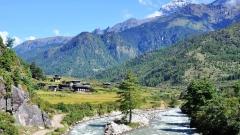
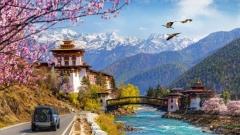
Bhutan is located in the eastern Himalayas. It shares a northern border with China and is surrounded by India on its western, southern and eastern sides. Despite its relatively small size, the country has remarkable geographical diversity, ranging from subtropical lowlands in the south to high Himalayan mountains in the north.
The landscape includes steep mountains, deep river valleys, forests, agricultural areas and snow-covered peaks. Several important towns, including the capital Thimphu and the popular tourist destination of Paro, are located in mountain valleys.
More than 70% of Bhutan is covered by forest, making environmental protection an important part of national policy. The country is also widely recognized as a carbon-negative nation because its forests absorb more carbon dioxide than the country produces.
For travelers, this means Bhutan offers much more than mountain scenery. Its protected forests, wildlife and relatively low level of urban development make it an important destination for nature and eco-tourism in the Himalayas.
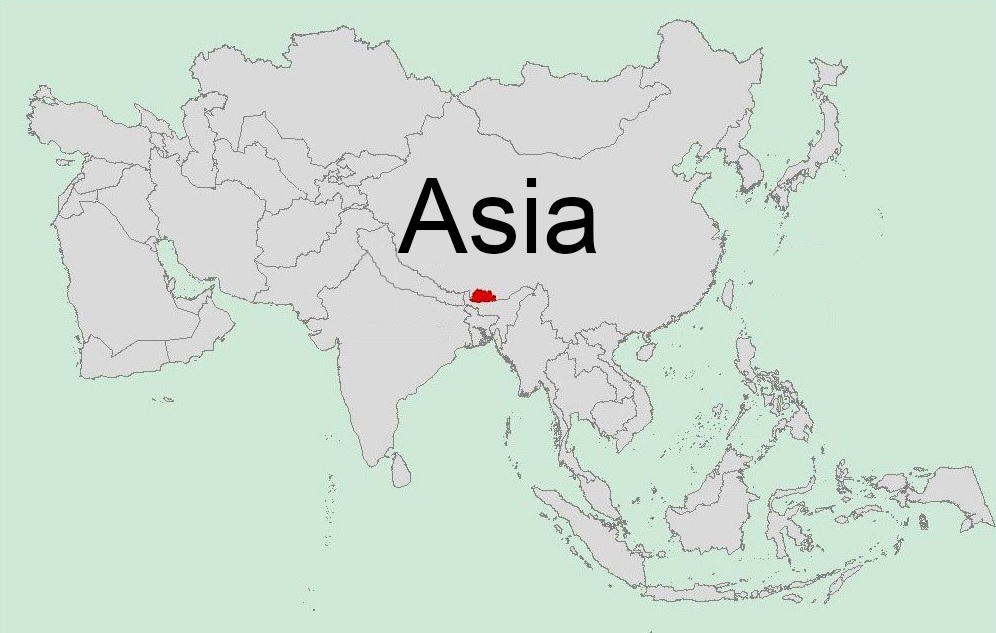
Bhutan on An Aisa Map
Why Is Bhutan Known As The “Happiness Country”?
One of Bhutan’s most distinctive ideas is Gross National Happiness, commonly known as GNH.
Instead of measuring national development primarily through Gross Domestic Product, Bhutan has developed a broader framework that considers economic conditions alongside areas such as health, education, cultural preservation, environmental conservation, good governance and psychological well-being.
The concept was introduced during the reign of Bhutan’s Fourth King, Jigme Singye Wangchuck, and has since become closely associated with Bhutan’s national development philosophy.
For this reason, Bhutan is often described internationally as one of the world’s happiest countries. However, this description should not be understood as a simple global happiness ranking. GNH is better understood as a development philosophy that asks how economic progress can be balanced with culture, environmental protection and quality of life.
Visitors may notice some of these principles during their travels. Cities are relatively small, traditional buildings remain highly visible, religious traditions are part of everyday life, and many communities maintain a slower pace compared with major urban destinations elsewhere in Asia.
What Are Bhutan’s Religion And Cultural Traditions Like?
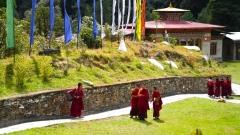
Buddhism plays a central role in Bhutanese society. Vajrayana Buddhism, particularly the Drukpa Kagyu tradition, has influenced the country’s religious practices, architecture, festivals, art and daily life.
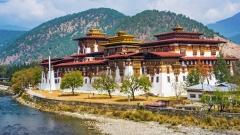
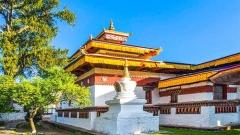
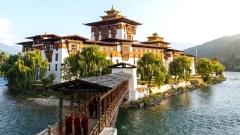
One of Bhutan’s most recognizable cultural features is its dzong architecture. Dzongs are large traditional complexes that have historically combined religious and administrative functions. Their white walls, wooden windows and detailed decorations create an architectural style strongly associated with Bhutan.
The national language is Dzongkha, while English is also widely used in education and tourism. Traditional clothing remains an important part of Bhutanese identity. Men traditionally wear the Gho, while women wear the Kira.
Throughout the year, different regions host Tsechu festivals featuring masked dances, religious ceremonies and traditional performances. For international visitors, attending a festival can offer a deeper understanding of Bhutanese culture than simply visiting historical buildings.
Can You Travel To Bhutan Independently?
Bhutan’s tourism system has changed over time, so older information saying that “foreigners cannot travel independently in Bhutan” is no longer completely accurate.
International travelers can currently arrange their visa and some travel services independently. However, there are still important regulations governing travel within the country. Certified guides are required for visits to certain religious and protected sites, while independent car rental and self-driving are generally not available to ordinary international tourists.
Most international visitors also need to obtain a visa before traveling to Bhutan and pay the Sustainable Development Fee (SDF), which is currently USD 100 per adult per night for most international travelers, in addition to the applicable visa fee.
Because requirements can vary by nationality and government policy, travelers should check the latest official requirements before departure.
For first-time visitors, working with a qualified local travel service provider can still make the trip considerably easier, particularly when arranging accommodation, transportation, guides and a practical route through the mountainous country.
What Are The Most Famous Places To Visit In Bhutan?
Bhutan is not primarily a destination for large cities or heavily commercialized attractions. Its appeal comes from the combination of mountains, valleys, monasteries, dzongs and traditional communities.
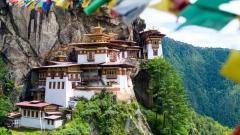
Paro Taktsang
Paro Taktsang, commonly known as Tiger’s Nest Monastery, is perhaps the most recognizable landmark in Bhutan. The Buddhist monastery is built dramatically on a cliff above the Paro Valley, and reaching it requires a substantial uphill hike through the forest.
For many international visitors, the hike itself is part of the experience, offering mountain views and a chance to experience Bhutan’s landscape at a slower pace.
Punakha Dzong
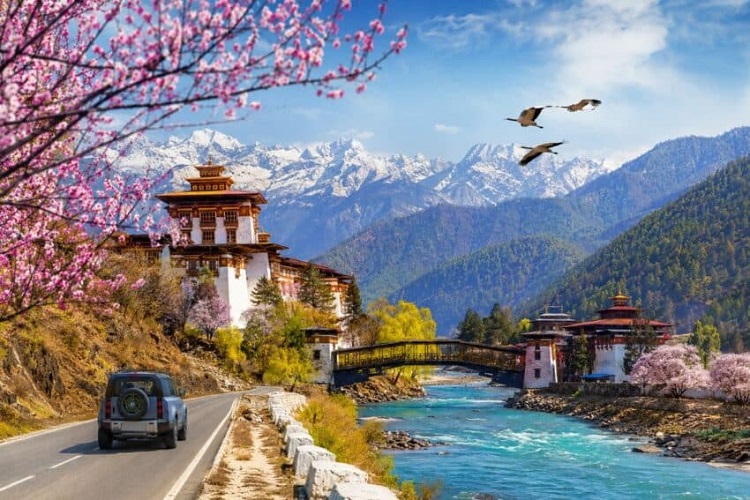
Punakha Dzong is one of Bhutan’s most famous architectural landmarks. Located at the meeting point of two rivers, the dzong combines impressive traditional architecture with a scenic natural setting.
Its historical and religious importance also makes Punakha an important stop on many Bhutan itineraries.
Phobjikha Valley
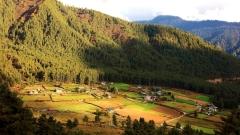
Phobjikha Valley is a broad high-altitude valley known for its peaceful landscape and black-necked cranes. During the migration season, the valley becomes an important habitat for these endangered birds.
It is also a popular area for hiking, nature observation and experiencing rural Bhutan.
Thimphu And Dochula Pass
Bhutan’s capital, Thimphu, offers a different perspective on the country. Visitors can explore the city’s traditional architecture, Buddhist sites and modern Bhutanese life.
Dochula Pass, located between Thimphu and Punakha, is another popular stop. Its 108 chortens and mountain surroundings make it one of the most recognizable viewpoints along this route.
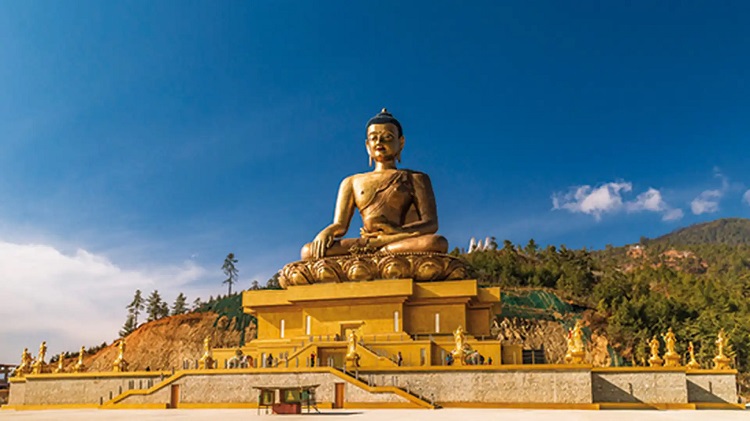
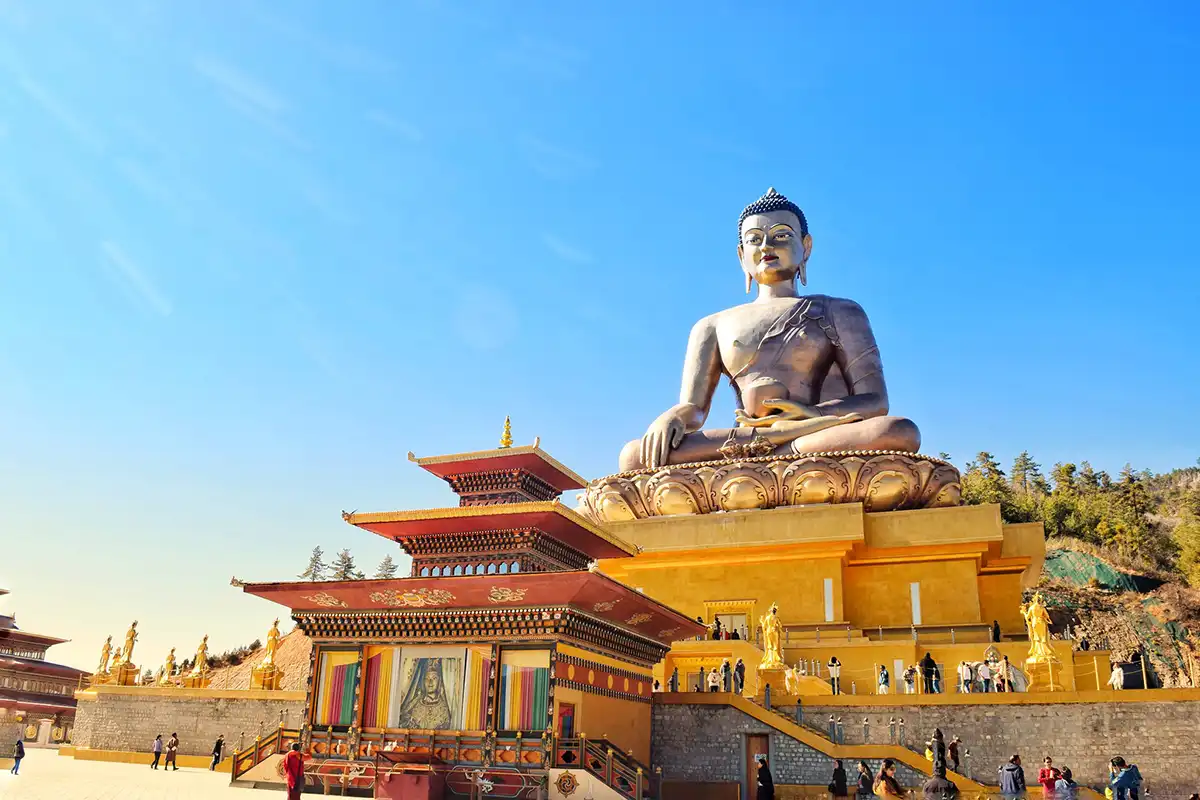
Buddha Dordenma
When Is The Best Time To Visit Bhutan?
Spring, from March to May, and autumn, from September to November, are generally popular periods for traveling in Bhutan. Spring brings flowers and fresh green landscapes, while autumn often offers clearer mountain views and comfortable conditions for sightseeing and hiking.
However, the ideal time depends on what you want to experience. Travelers interested in trekking, photography, wildlife, cultural festivals or high-altitude landscapes may prefer different months.
Rather than choosing a travel date simply because it is considered “peak season,” it is better to match the timing with your interests and the places you want to visit.
Why Is Bhutan Travel Relatively Expensive?
Bhutan can be more expensive than many other destinations in South Asia, partly because of its tourism policies and geographical conditions.
The Sustainable Development Fee is a significant component of the overall travel budget. Transportation can also be relatively costly because of Bhutan’s mountainous terrain, limited road network and reliance on private vehicles and drivers for many itineraries.
International flights are another consideration. Bhutan has a limited number of international flight connections, which can make air travel more expensive and less flexible than traveling to larger destinations in the region.
The country’s tourism model is designed around controlled, sustainable tourism rather than high-volume mass tourism. As a result, Bhutan tends to appeal particularly to travelers who value nature, culture, hiking and meaningful experiences over low-cost, high-density sightseeing.
How Is Bhutan Balancing Tradition And Modern Development?
Bhutan may appear traditional to visitors, but it is not isolated from the modern world.
Television and the internet were introduced relatively late compared with many other countries, while digital services, financial technology and modern infrastructure have continued to develop.
Bhutan has also attracted international attention because of its hydropower resources and involvement in cryptocurrency mining. Druk Holding and Investments (DHI), Bhutan’s investment arm, has been involved in cryptocurrency-related activities, including Bitcoin mining powered by the country’s renewable electricity resources.
The scale of Bhutan’s cryptocurrency holdings can change over time, and figures reported by external tracking platforms should therefore be treated as time-specific estimates rather than permanent national reserves.
This combination of tradition and innovation is one of the more interesting aspects of modern Bhutan. The country continues to protect its Buddhist heritage and natural environment while exploring new economic and technological opportunities.
What Is The Best Way To Plan A Bhutan Trip?
A trip to Bhutan does not necessarily need to be packed with attractions. In fact, allowing more time for monasteries, villages, mountain valleys and cultural experiences can make the journey more rewarding.
For international travelers visiting Bhutan for the first time, an experienced travel service provider can help coordinate practical details such as visa arrangements, transportation, accommodation, guides and route planning.
China Dragon Travel can also assist travelers interested in planning a Bhutan journey, particularly those combining Bhutan with other destinations in Asia. A well-planned itinerary can make it easier to balance sightseeing with cultural experiences, hiking and time to enjoy Bhutan’s distinctive atmosphere.
What Kind Of Country Is Bhutan?
Bhutan is often described using words such as Himalayan, Buddhist, peaceful, traditional and environmentally conscious. Yet none of these words alone fully explains the country.
What makes Bhutan distinctive is the way its traditional culture continues to exist alongside modern development. Ancient monasteries stand alongside modern towns, protected forests remain an important part of national policy, and the concept of Gross National Happiness offers a different way of thinking about national progress.
For international travelers looking for Himalayan landscapes, Buddhist culture, hiking opportunities and a slower style of travel, Bhutan provides an experience that is very different from conventional mass-tourism destinations.
The most memorable part of Bhutan may not be a single landmark. It may be the combination of its mountains, religious traditions, quiet valleys and distinctive approach to life that stays with you long after you leave.