
A Mount Kailash pilgrimage takes more than a route plan: season, altitude, permits, and pacing all shape the experience. Use these four steps to prepare with care.
- Choose a season that suits the kora, road conditions, and your tolerance for cold.
- Match your itinerary to your available days and realistic fitness level.
- Arrange the required Tibet and Ngari travel documents well before departure.
- Work with an experienced Tibet-based agency and allow room for acclimatization.
Step 1: Choose The Right Time For Your Mount Kailash Pilgrimage
Mount Kailash stands in the remote Ngari region of western Tibet, where altitude, weather, and long distances make timing a practical decision as well as a personal one. The main trekking season is generally from late spring through early autumn, when access roads and conditions are more favorable than in the coldest months. Even then, weather can change quickly, and snow or strong winds may affect the kora at any time.
Many travelers aim for May through September. Late spring can bring cold nights and lingering snow at higher elevations, while summer is comparatively milder but can also bring rain, cloud, and muddy sections. Early autumn often offers clearer skies and crisp air, though temperatures drop as the season advances. There is no month that guarantees ideal weather, so plan for a range of conditions rather than a single forecast.
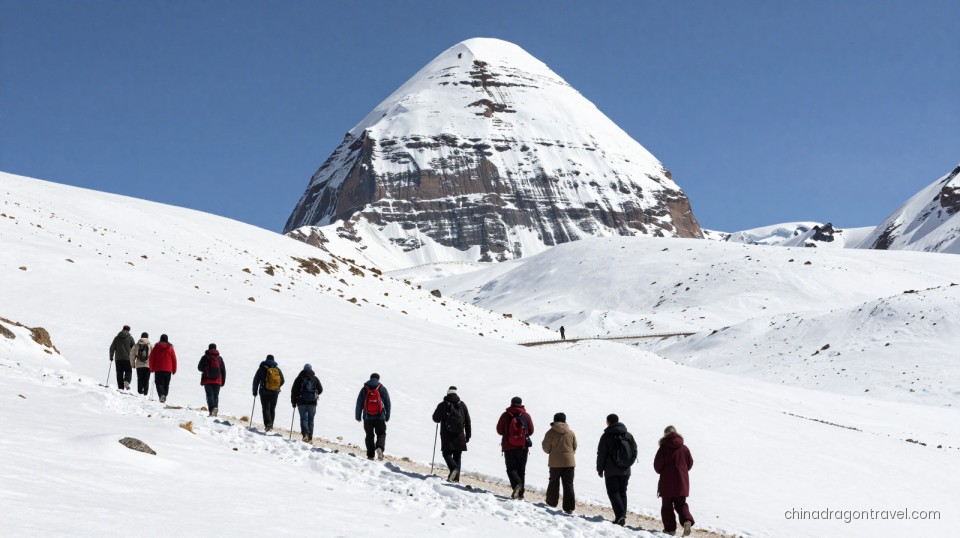
The kora, or circumambulation of Mount Kailash, is commonly completed over three days on foot. The standard route reaches high elevations and includes the Dolma La pass, at roughly 5,630 meters. The thin air makes even a steady walking pace feel demanding. A date that looks convenient on a calendar may not be suitable if it leaves too little time to acclimatize before starting the trek.
Some pilgrims also visit Lake Manasarovar and Rakshastal. These sacred lakes sit in the same broad region, but visiting them adds driving time and can require extra time for prayer, rest, or a lakeside walk. Decide whether your priority is the mountain kora, the lakes, or a broader pilgrimage route before fixing your travel dates.
Religious calendars matter to many pilgrims. The full moon associated with Saga Dawa is especially significant in Tibetan Buddhist tradition, and the area may be busier around this period. If you want to travel then, arrange logistics early and be prepared for more visitors. If you prefer a quieter journey, consider dates outside major pilgrimage periods, while keeping seasonal access and local conditions in mind.
Build flexibility into your schedule. A road delay, altitude symptoms, or weather-related change can affect the plan, particularly on a long overland journey from Lhasa. Avoid booking a tightly packed itinerary that assumes every transfer will run exactly to schedule. A buffer day can make the difference between a rushed visit and a safer, more considered pilgrimage.
age to Mount Kailash
Step 2: Select A Route That Fits Your Time And Fitness
A Mount Kailash pilgrimage is not one fixed itinerary. Travelers usually approach the mountain overland, often from Lhasa or through western Tibet, with stops chosen for acclimatization and sightseeing. The distance is substantial, and the drive itself can involve long days at high altitude. Look beyond the number of days on a tour page: ask how much time is spent driving, how many nights are scheduled at altitude, and when the kora begins.
Allow Time To Acclimatize
Acclimatization is part of the itinerary, not an optional extra. Lhasa is already high, and the route toward Ngari climbs further. Spend time adapting before strenuous activity, follow a gradual ascent when possible, and tell your guide promptly if you develop a headache, nausea, unusual fatigue, dizziness, or shortness of breath at rest. These symptoms can indicate altitude illness. Severe or worsening symptoms require urgent medical attention and may mean descending rather than continuing.
Do not use fitness as a substitute for acclimatization. People who exercise regularly can still become ill at altitude, while a slower walker may manage the kora safely with enough preparation and an appropriate pace. Discuss your health history with a clinician before travel, especially if you have a heart or lung condition, are pregnant, or have previously experienced altitude sickness. A guide can assist with logistics, but cannot replace medical advice.
Understand The Kora Before You Commit
The classic kora is approximately 52 kilometers, although the exact distance varies with the route and where a traveler starts or finishes. It is usually divided across three days, with an overnight stay near Dirapuk and another around Zutulpuk. The second day is the most strenuous for many people: the trail climbs toward Dolma La and then descends steeply. High altitude, uneven ground, wind, and cold can make the walk harder than the distance suggests.
Some pilgrims complete the circuit on foot, while others use porter or pack-animal support for part of their luggage where available. Do not assume an animal can carry you or that support will be available at every point. Confirm arrangements with your operator and carry the water, clothing, medication, and essentials you may need during the day. A daypack should be manageable, especially on the pass.
If the full circuit is beyond your capacity or your available time, ask about a shorter visit to the area rather than treating completion as the only meaningful outcome. A responsible itinerary should respect your health and circumstances. Do not let group pressure or a symbolic goal persuade you to continue when you feel seriously unwell.
Choose A Broader Itinerary With Realistic Travel Days
A Lhasa-to-Kailash overland journey often takes around two weeks or longer, depending on the route, stops, and return arrangements. Trips that include Everest region or additional cultural sites may require more time. Some itineraries begin from other points in Tibet or connect with travel through Nepal, but border arrangements and access rules can change. Confirm the current route and entry requirements before making non-refundable bookings.
Review the daily plan carefully. A suitable program should show overnight locations, approximate driving hours, time for rest, and the intended acclimatization schedule. Ask whether Lake Manasarovar is included and whether the itinerary allows time there beyond a brief stop. Check what happens if a traveler cannot continue the kora, and whether a return vehicle or alternative arrangement is possible.
Step 3: Arrange Tibet And Ngari Permits In Advance
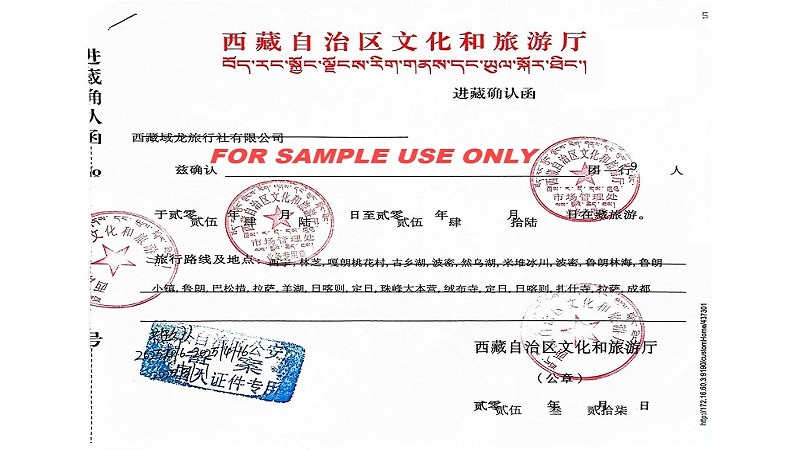
Foreign travelers generally cannot travel independently in the Tibet Autonomous Region and must arrange their trip through an authorized travel agency. Required documents depend on nationality, entry route, itinerary, and current policy. For travel to Mount Kailash and the Ngari region, visitors commonly need a Tibet Travel Permit and may need additional permits or travel documents for restricted areas. Requirements can change, so verify them with an experienced agency before finalizing flights or other transport.
The Tibet Travel Permit is not normally something an individual tourist can obtain directly. A qualified agency arranges it as part of an organized itinerary. For destinations in western Tibet, the operator can advise whether further permits are required for the route and how the documents will be handled. Do not rely on an old permit list found online; rules and procedures may be revised.
Provide accurate personal details and clear copies of the travel documents requested by your operator. Names and passport information should match across bookings and permit applications. Ask how far in advance the agency needs the information, what happens if your passport is renewed, and how permits will be delivered or checked before boarding transport to Tibet. Keep digital and printed copies of important documents, but follow the agency’s guidance on which originals to carry.
Entry to Tibet and travel within the region are separate planning questions. Depending on your itinerary, you may need to arrange a Chinese visa or qualify for a visa-free entry policy, and additional rules can apply to travelers arriving through Nepal. Visa policies and cross-border procedures are time-sensitive. Check the current requirements that apply to your passport and route with the relevant authorities and your agency; do not assume that a visa exemption also removes Tibet travel-permit requirements.
It is wise to wait for clear confirmation of travel arrangements before purchasing inflexible tickets. Ask the agency to explain the expected permit timeline, what information is needed, and what options exist if approval is delayed. A reliable operator should be candid about uncertainty and should not promise that a permit is guaranteed by a particular date when the issuing process is outside its control.
China Dragon Travel – Tibet Travel Permit
Step 4: Choose An Experienced Tibet-Based Travel Agency
A well-chosen agency makes a complex journey easier to coordinate. Look for a Tibet-based operator with experience organizing trips to Ngari and Mount Kailash, not just general sightseeing in Lhasa. The team should be able to explain permit procedures, road conditions, altitude planning, accommodation standards, and the practical demands of the kora in clear terms.
Before paying a deposit, request a detailed itinerary and written answers to a few essential questions:
- Which permits and travel documents are included in the service?
- How many nights are planned for acclimatization before the kora?
- What is the daily driving schedule, and where are overnight stops?
- What accommodation and meals are included in Ngari?
- Is drinking water available, and what should travelers bring themselves?
- What support is available if someone becomes unwell or cannot finish the kora?
- Are guide, vehicle, driver, and emergency arrangements included?
- Which costs are excluded, such as flights, tips, personal supplies, or optional services?
A low headline price may not include important costs, while a higher price does not automatically mean better service. Compare what is actually covered: group size, vehicle type, lodging, meals, guide language, permit handling, and contingency support. Ask for a realistic description of facilities in remote areas. Accommodation around the kora is basic compared with city hotels, and services may be limited by location and season.
China Dragon Travel can be considered among Tibet-based agencies when comparing providers. As with any operator, confirm its current services, itinerary details, inclusions, and permit procedures in writing before booking. A useful agency conversation should leave you with a practical understanding of what is arranged and what remains your responsibility.
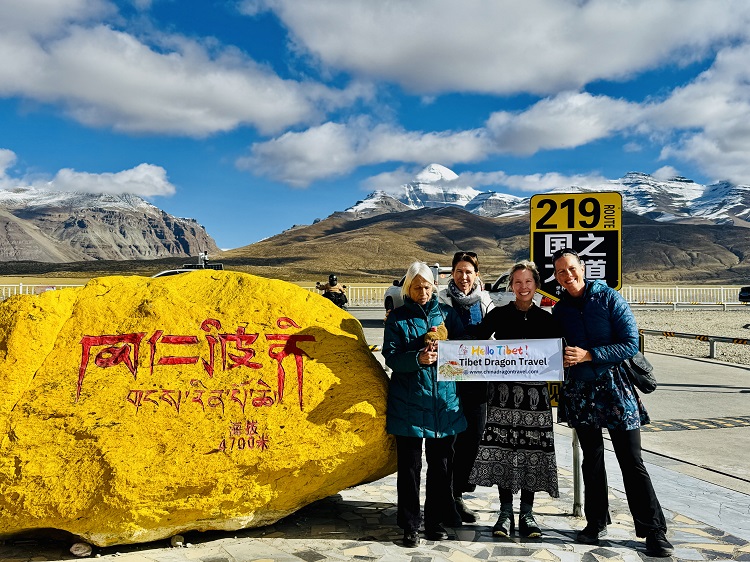
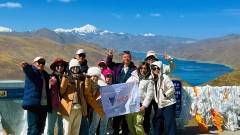
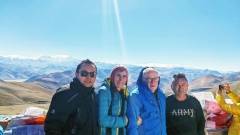
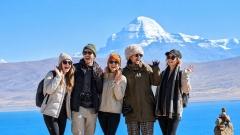
Tourists from China Dragon Travel posing for a photo at Mount Kailash
What To Pack And How To Prepare For The Kora
Pack for cold, sun, wind, and the possibility of rain, even when traveling in summer. Layered clothing is more useful than one very heavy garment: a moisture-wicking base layer, insulating mid-layer, and windproof, waterproof outer layer can be adjusted as conditions change. Bring warm gloves, a hat, sturdy broken-in walking shoes or boots, and extra socks. The pass can be cold and exposed, while lower sections may feel warmer during the day.
High-altitude sun is intense. Sunglasses with good UV protection, sunscreen, lip balm, and a brimmed hat are practical essentials. Carry a reusable water bottle or hydration system and snacks you know you can eat when appetite is low. Ask your agency what food and water are provided, and bring any personal dietary supplies that may be difficult to find along the route.
Travel with a small personal first-aid kit and any prescription medicine you use regularly. Keep medication in its original packaging and discuss altitude-related medicine with a clinician before the trip; self-prescribing is not a substitute for acclimatization or medical assessment. Travel insurance should specifically cover high-altitude trekking and emergency evacuation, and you should understand its exclusions and contact procedure before departure.
The days are physically demanding, so prepare with regular walking and gradual hill training if appropriate for your health. Practice with the footwear and daypack you intend to use. The aim is not to prove speed or endurance but to make ordinary movement easier and reduce avoidable discomfort. In the weeks before departure, prioritize sleep, hydration, and a realistic workload rather than trying to cram in sudden, intense training.
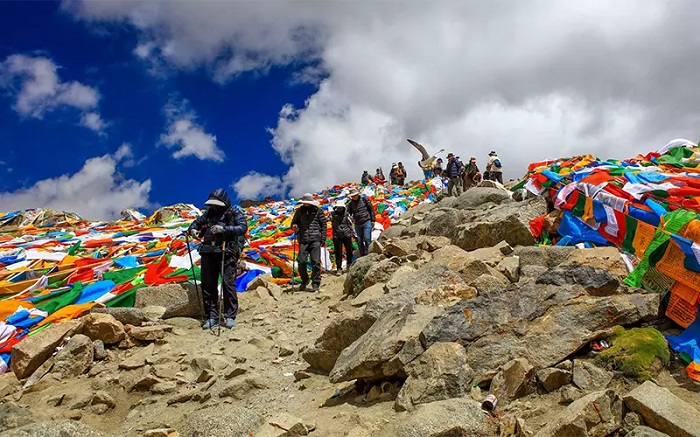
Dolma La Pass – Highest Point of Mt. Kailash Kora
Pilgrimage Etiquette And Care For A Sacred Landscape
Mount Kailash is sacred to several religious traditions, including Tibetan Buddhism, Hinduism, Jainism, and Bon. Visitors should approach the mountain and lakes with respect, even when traveling primarily for scenery. Follow your guide’s instructions about local customs, prayer sites, monasteries, and appropriate behavior. Ask before photographing people, religious ceremonies, or private devotional practices.
Pilgrims traditionally walk the kora clockwise in several traditions, while Bon practitioners follow a counterclockwise route. Visitors should avoid disrupting those who are praying or undertaking prostrations, and should follow the guidance of local staff rather than treating the trail as a race. Do not remove stones, prayer flags, or other objects from religious sites.
The environment is fragile and remote. Carry out all litter, use designated facilities where provided, and avoid contaminating water sources. Do not feed or approach wildlife. Respect local communities and workers by asking before taking photographs and by following local rules around camps, monasteries, and lakeshores.
Frequently Asked Questions About A Mount Kailash Pilgrimage
How long does a Mount Kailash pilgrimage take?
The kora itself is commonly walked over three days, but reaching Mount Kailash and returning usually takes considerably longer. A Lhasa-based overland itinerary often requires about two weeks or more, depending on route, acclimatization, and additional stops. Confirm the driving schedule and rest days before booking.
When is the best time for a Mount Kailash pilgrimage?
Late spring through early autumn is the usual travel window, with many visitors choosing the warmer months. Conditions remain changeable, and no season guarantees clear weather or an easy trek. Consider temperature, road access, pilgrimage dates, and time for acclimatization when choosing your dates.
How difficult is the Mount Kailash kora?
The kora is demanding because it is long and reaches high altitude. The climb toward Dolma La is particularly strenuous, and the route can be cold, windy, or slippery. Fitness helps, but acclimatization and personal health are crucial; travelers should stop and seek help if symptoms worsen.
Do I need permits for Mount Kailash and Ngari?
Foreign visitors generally need a Tibet Travel Permit and may require additional documents for the Ngari itinerary. The exact requirements depend on your nationality, route, and current policy. Arrange travel through an authorized agency and confirm the latest permit and entry requirements before booking.
Can I visit Mount Kailash without completing the kora?
Yes. A visit to the region does not require every traveler to complete the full circuit. You can discuss alternatives with your agency and guide, including a shorter visit or a different pace. Your health and safety should take priority over finishing the trek.