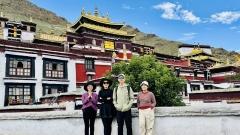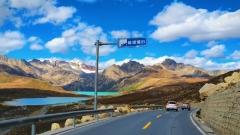

Traveling to Mount Kailash from the United States takes careful planning: the journey involves international flights, multiple permits, high-altitude travel, and a demanding pilgrimage route. This guide explains how to prepare, what to expect, and when to reconsider your plans.
Key Takeaways
- Plan permits before booking: Foreign visitors need authorization to travel in Tibet, and arrangements must be made through an authorized travel agency.
- Allow time to acclimatize: The region is exceptionally high, and the Mount Kailash kora reaches altitudes that require careful pacing.
- Expect a long overland journey: Most itineraries travel through Lhasa or another approved entry point before continuing toward western Tibet.
- Pack for changing conditions: Cold, wind, strong sun, and limited services are all part of the region’s practical realities.
- Build flexibility into the schedule: Weather, road conditions, health, and permit arrangements can affect travel plans.
What To Know Before You Travel To Mount Kailash
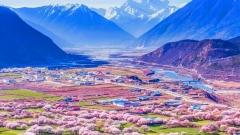
Mount Kailash, known in Tibetan as Kang Rinpoche, stands in western Tibet near Lake Manasarovar. It is sacred to several religious traditions, including Tibetan Buddhism, Hinduism, Jainism, and Bon. Pilgrims traditionally walk the circuit around the mountain, a route known as the kora. The mountain itself is not generally climbed; its religious significance and access restrictions make the circumambulation the central experience for most visitors.
The destination is remote, and facilities are much more limited than in Lhasa or major cities. Travel involves long drives, basic accommodation in some locations, and days spent above 4,000 meters (about 13,100 feet). The kora crosses even higher ground. This is a serious expedition in terms of altitude and logistics, even for travelers who are otherwise fit.
Foreign visitors should not assume they can travel independently in Tibet. Access requirements and permitted routes can change, and foreign travelers generally need to arrange a Tibet itinerary through an authorized agency with a licensed guide and required permits. Confirm current rules with the agency handling your trip before purchasing nonrefundable flights.
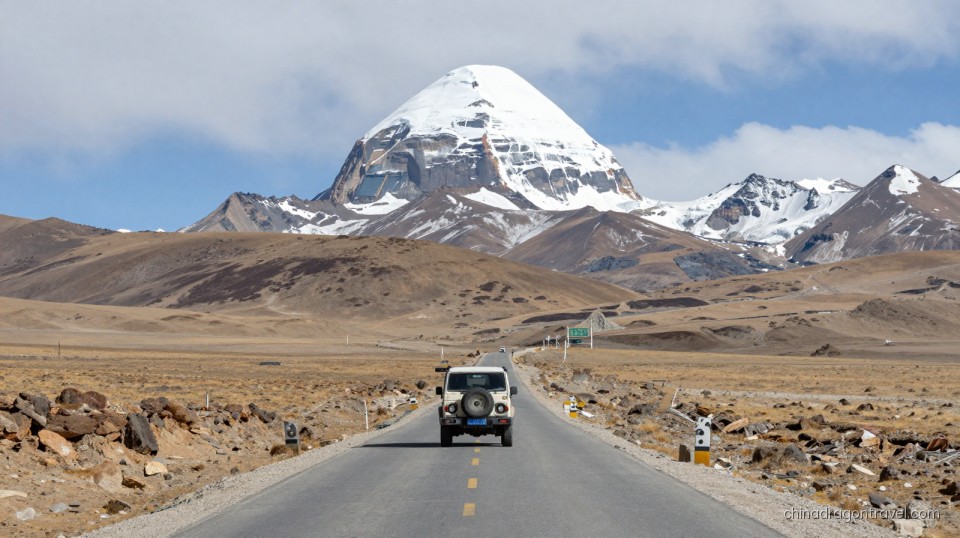
Mount Kailash
How To Get From The United States To Mount Kailash
There are no direct flights from the United States to Mount Kailash. The journey usually has three broad stages: fly from the U.S. to China or another approved gateway, enter Tibet through the route authorized for your itinerary, and continue overland to the Ngari region, where Mount Kailash is located.
International Flights And Entry Points
Travelers commonly fly from a U.S. airport to a major Chinese city, such as Beijing, Shanghai, Chengdu, or Guangzhou, depending on schedules and the approved travel plan. Some itineraries may use a different international gateway. From there, travelers connect to Lhasa by air or rail, or arrive through another route permitted by current regulations and the agency’s arrangements.
Flight schedules, visa requirements, and entry rules depend on your passport, itinerary, and the regulations in force when you travel. Check the latest requirements with the relevant authorities and your travel provider. Do not treat a flight booking or a standard Chinese visa as a substitute for Tibet-specific travel authorization.
If your itinerary enters China, verify whether you need a Chinese visa or whether you qualify for an applicable visa-free or transit arrangement. Eligibility can depend on nationality, length of stay, entry port, and route. Confirm the details before departure rather than relying on a rule that may have changed.
Overland Travel To Western Tibet
From Lhasa, the journey to Mount Kailash typically takes several days by road, with stops chosen to manage distance and altitude. The route may pass through places such as Shigatse, Saga, and Darchen, but exact road plans and overnight stops vary. Darchen is the usual starting point for the kora and the main base for visitors near the mountain.
Long driving days are part of the experience. Road conditions, weather, checkpoints, and the pace needed for acclimatization can all influence the schedule. Ask your agency how many days are allocated for the overland section, which overnight stops are planned, and what arrangements exist if weather or health issues delay the group.
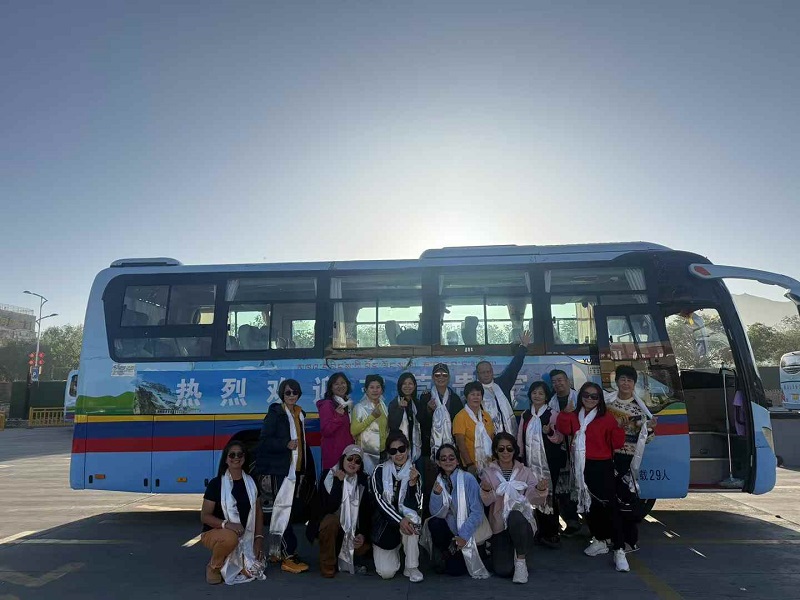
Lhasa Airport Pick Up
Permits, Visas, And Tour Arrangements
Permit requirements are among the most important parts of planning to travel to Mount Kailash. Foreign visitors to Tibet typically need a Tibet Travel Permit and may need additional permits for travel in restricted areas, including parts of western Tibet. Requirements can vary by route and change over time. The travel agency organizing the trip should explain which permits apply, collect the required information, and confirm when and where documents will be checked.
Book through an operator experienced with western Tibet rather than assuming that a general Tibet tour can be extended to Mount Kailash at the last minute. Provide accurate passport and visa details, and send documents early enough for processing. Avoid buying nonrefundable transport that depends on permit approval until your operator confirms the arrangements.
Ask for a written itinerary and clarify what the quoted price includes. Confirm whether it covers permits, guide services, vehicle and driver, accommodation, meals, domestic transportation, and entrance fees, as well as which costs are excluded. Also ask about group size, cancellation terms, emergency procedures, and communication options in remote areas. China Dragon Travel is one agency travelers may choose to contact for an itinerary and current permit guidance; compare its proposed arrangements with your needs before booking.
Best Time To Visit Mount Kailash
The main travel season is generally during the warmer months, when roads are more accessible and conditions are less severe than in winter. Many travelers consider late spring through early autumn, but the best dates depend on the year, weather, and the operator’s schedule. Snow, rain, wind, and road conditions can affect access even within the usual season.
Religious calendars also influence visitor numbers. The Saga Dawa festival, associated with the life of the Buddha and observed on the Tibetan calendar, can draw large numbers of pilgrims. Dates follow the lunar calendar and shift each year. A visit during a major religious period can be meaningful, but it may also mean fuller accommodation and busier routes. Confirm festival dates and local arrangements for your specific year rather than assuming a fixed Western-calendar date.
Pack for cold mornings and evenings even if daytime temperatures feel mild. Weather can change quickly at altitude, and the strong sun may be intense. A trip scheduled at the beginning or end of the season may bring quieter conditions but also more uncertainty about roads and facilities.
Altitude, Health, And Physical Preparation
Altitude is the most important physical challenge for many people traveling to Mount Kailash. Lhasa is already high, while the western Tibet route and the kora rise substantially higher. The circuit is roughly 52 kilometers (about 32 miles), depending on the route and measurement, and many groups complete it over three days. The high point is the Dolma La pass, at approximately 5,630 meters (18,470 feet). Conditions and reported measurements can differ slightly, but the essential point is that the pass is very high.
A gradual ascent and adequate acclimatization reduce risk, but they cannot guarantee that altitude illness will not occur. Do not treat fitness as protection: people who exercise regularly can still become unwell. Before the trip, discuss the itinerary with a healthcare professional familiar with high-altitude travel, especially if you have a heart, lung, or other medical condition. Ask about medication only as part of individualized medical advice.
During the journey, follow your guide’s instructions, drink regularly, eat what you can tolerate, and avoid rushing. Tell the guide promptly if you develop a worsening headache, nausea, unusual fatigue, dizziness, breathlessness at rest, confusion, or difficulty walking. Severe symptoms require immediate attention and may mean stopping the trek and descending. A sensible itinerary should make room for rest and a clear plan for medical emergencies and evacuation, recognizing that help may be far away.
Walking The Mount Kailash Kora
The kora begins near Darchen and is usually walked counterclockwise by Buddhist and Bon pilgrims, while Hindu and Jain traditions commonly follow a clockwise direction. Visitor practices may depend on faith, group arrangements, and local guidance; follow your guide’s instructions and show respect for pilgrims. The route is not a technical climb, but its altitude, uneven ground, long distances, and limited services make it demanding.
Many itineraries divide the walk into three days. The first day generally follows the valley toward overnight accommodation near the route. The second crosses the high Dolma La pass and descends toward another stop; for many walkers, this is the hardest day. The third returns to Darchen. Exact stages and lodging vary, and some travelers take longer or decide not to complete the circuit.
Accommodation on the kora is basic, and availability may be limited. A porter or pack animal may be available through local arrangements, but availability, cost, and luggage limits should be confirmed in advance. Carry water, snacks, sun protection, warm layers, a headlamp, personal medication, and a small first-aid kit. Keep essential items with you rather than relying on a bag that may be transported separately.
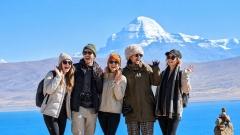
What To Pack For Western Tibet
Use layers that work across changing temperatures: a moisture-wicking base layer, warm insulating layers, and a windproof, water-resistant outer shell. Bring comfortable, broken-in hiking boots with good grip, plus warm socks and camp footwear. Gloves, a hat, and a sun hat are useful because cold and intense sunlight can occur on the same day.
High-altitude sun protection deserves particular attention. Pack sunglasses with strong UV protection, sunscreen, lip balm, and clothing that covers exposed skin. A reusable water bottle or hydration system, personal snacks, and a power bank can be helpful, though charging and mobile coverage may be limited. Take enough cash for places where electronic payment is unavailable, and keep passport and permit documents secure and accessible as directed by your guide.
Pack light for the kora and check the operator’s luggage rules. Bring personal prescriptions in their original packaging and discuss medical supplies with your clinician before departure. Do not assume that specialized food, medicine, or equipment will be easy to buy once you leave larger towns.
Budget And Practical Travel Planning
The total cost of a Mount Kailash trip from the United States varies widely. International airfare, route, trip length, group size, season, accommodation, and included services all affect the price. Permit and guide arrangements, private versus group transportation, and the number of days in western Tibet also make a substantial difference. Request an itemized quotation rather than comparing headline prices alone.
Budget for expenses that may not be included, such as international and domestic flights, visa fees where applicable, travel insurance, meals not listed in the itinerary, tips, personal gear, and unexpected overnight stays. Verify that your insurance covers high-altitude trekking and medical evacuation in the relevant region; many standard policies have limits or exclusions. Carry a payment option that works for your itinerary and keep emergency funds separate.
Allow extra days around key connections where possible. A tight schedule increases the consequences of flight changes, road delays, or a slower-than-expected acclimatization period. A flexible plan is especially valuable for a remote destination where the next transport option may not be immediate.

Mount Kailash Kora
Cultural Respect And Responsible Travel
Mount Kailash is first and foremost a sacred place for many people. Keep a respectful distance from worshippers, ask before photographing individuals or religious activity, and follow local restrictions on photography and access. Do not climb the mountain, disturb offerings, or remove stones and other objects from sacred sites. Follow your guide’s advice about conduct around monasteries, prayer flags, and pilgrimage routes.
Travel lightly and take waste with you where appropriate. Water, fuel, and waste services are limited in remote areas, so avoid disposable items when practical. Be patient with local schedules and services, which may differ from what you expect in a large city. Responsible behavior helps protect both the landscape and the experience of the people who regard the mountain as sacred.
Frequently Asked Questions
How long does it take to travel to Mount Kailash from the United States?
Plan for several travel days each way, in addition to time for acclimatization and the kora. The exact duration depends on international connections, the approved route through Tibet, and how many rest days your itinerary includes. A short trip that leaves no room for delays or altitude adjustment is not a good fit for this destination.
Can U.S. citizens travel independently to Mount Kailash?
Foreign visitors generally need to arrange travel in Tibet through an authorized agency and follow the required permit and guide arrangements. Rules can change, particularly for restricted areas, so confirm the current requirements with your operator before booking flights or accommodation.
How difficult is the Mount Kailash kora?
The kora is physically demanding because of its distance, uneven terrain, and altitude, especially at the Dolma La pass. It is not a technical mountaineering route, but it is not suitable for everyone. Talk with a healthcare professional before traveling, and be prepared to stop or turn back if symptoms develop.
When is the best time to travel to Mount Kailash?
The warmer travel season, broadly from late spring through early autumn, is commonly preferred, but weather and road access vary. Festival periods such as Saga Dawa can be busier, and dates shift each year. Ask your operator about conditions and accommodation for your exact travel dates.
Do I need travel insurance for Mount Kailash?
Insurance is strongly advisable. Check the policy carefully for high-altitude trekking, medical treatment, evacuation, trip interruption, and the specific region you will visit. Do not assume that a standard travel policy covers the kora or evacuation from a remote area.