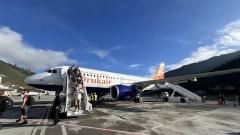
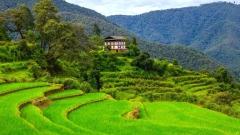
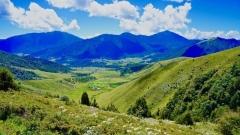
Bhutan now allows some independent activities, particularly in major towns such as Paro and Thimphu. Visitors can spend free time walking around town, visiting cafés, shopping, dining, or exploring selected public areas. However, travelling to other regions, visiting important cultural sites, and arranging cross-district transportation usually requires a licensed local guide and advance planning.
For this reason, Bhutan is not a completely open independent-travel destination. Instead, it offers a travel model somewhere between independent travel and organised tourism. Many international visitors choose a scheduled tour or a private small-group trip so that transportation, accommodation, documents, and sightseeing can be arranged more smoothly.
Key Points
- Bhutan currently offers limited independent travel rather than complete freedom.
- Paro and Thimphu are suitable for some self-guided city exploration.
- Cross-region travel and major cultural attractions usually require advance arrangements.
- Scheduled tours and private small-group trips suit different travel styles.
- A two-person custom tour offers flexibility without the difficulties of fully independent travel.
Can You Travel Independently In Bhutan?
Bhutan is not a completely independent-travel destination in the usual sense. Visitors can enjoy some free time in major towns, but travelling deeper into the country generally requires a licensed guide, arranged transportation, and a planned itinerary.
In Paro and Thimphu, travellers may have opportunities to walk through local streets, visit cafés, explore markets, shop for souvenirs, or enjoy free time between scheduled activities. These areas are more convenient for independent exploration than remote valleys and mountain regions.
However, visitors who wish to travel to Punakha, Phobjikha Valley, Bumthang, Haa Valley, or other rural areas need to consider road conditions, driving times, accommodation, and guide arrangements. Important cultural sites, including dzongs, monasteries, and temples, may also have specific visiting procedures and photography rules.
In practical terms, Bhutan allows a certain degree of freedom, but that freedom usually exists within a professionally arranged travel programme. It is not the same as travelling without a guide or making every decision after arrival.
Bhutan Travel
Why Does Bhutan Have Restrictions On Independent Travel?
Protecting The Environment And Managing Tourism
Bhutan places strong emphasis on environmental protection and sustainable tourism. The country aims to avoid the pressure that uncontrolled mass tourism can place on forests, rivers, mountain landscapes, cultural sites, and local communities.
Managing visitor numbers and travel arrangements helps reduce overcrowding and supports the preservation of Bhutan’s natural and cultural environment. For travellers, this can mean a quieter experience and fewer heavily congested attractions.
Preserving Religious And Cultural Traditions
Buddhist traditions are closely connected with everyday life in Bhutan. Monasteries, temples, dzongs, and religious sites are not simply tourist attractions; they remain important places of worship and community activity.
Licensed guides can explain local customs, appropriate clothing, photography rules, and visiting procedures. They also help international visitors understand the cultural background of the places they see, making the experience more meaningful.
Arranging Transportation And Cross-Region Travel
Bhutan is a mountainous country, and distances between towns can take longer to cover than a map might suggest. Roads include winding mountain sections, and travel times may be affected by weather, road conditions, or local traffic.
Although visitors may explore some town areas independently, cross-region transportation usually requires a vehicle, driver, guide, and accommodation plan. A complete itinerary can reduce unnecessary waiting, missed connections, and last-minute transportation problems.
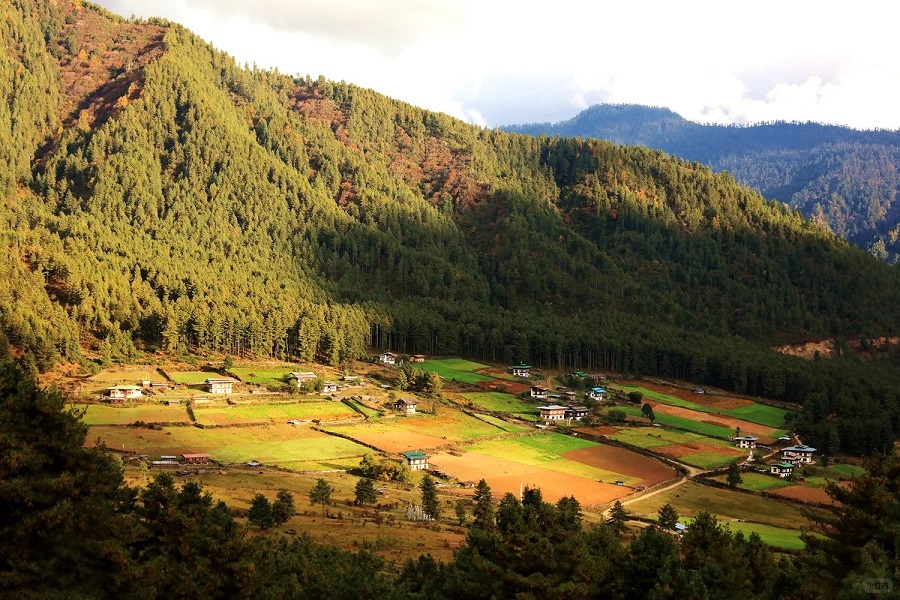
Phobjikha Valley, Bhutan
What Are The Main Ways To Travel In Bhutan?
International visitors generally choose between scheduled group tours, private custom small-group trips, and limited independent activities within major towns. These options can also be combined, allowing travellers to join organised sightseeing while keeping some free time for personal exploration.
Scheduled Group Tours
Scheduled group tours usually operate on fixed departure dates and follow a pre-arranged route. They are suitable for travellers who prefer a clear programme, predictable arrangements, and a more standardised travel experience.
Accommodation, transportation, sightseeing, and guide services are normally arranged in advance. Travellers do not need to organise every transfer themselves, which can be particularly useful in a mountainous country with limited transportation options.
The main limitation is flexibility. If visitors want to spend more time at a particular monastery, viewpoint, or market, they may need to follow the group’s schedule.
Private Custom Small-Group Trips
Private small-group trips are suitable for travellers who do not enjoy large tour groups but still want professional assistance with transportation, accommodation, visas, and sightseeing.
A custom itinerary can be adjusted according to personal interests, travel pace, fitness, and budget. Travellers interested in culture can spend more time visiting temples, dzongs, and traditional villages, while nature lovers may prefer additional time in mountain valleys, hiking areas, or scenic locations.
Small-group travel also allows a more relaxed daily rhythm. Visitors can take breaks when needed, spend longer at places they enjoy, and avoid rushing from one attraction to another.
Independent Activities In Major Towns
Even when travelling with a tour company, visitors can often enjoy some independent time in Paro and Thimphu. This may include walking around town, visiting cafés, shopping, trying local food, or exploring markets.
Combining organised sightseeing with free time can provide a good balance. Travellers benefit from professional support for transportation and cultural visits while still having space to explore at their own pace.
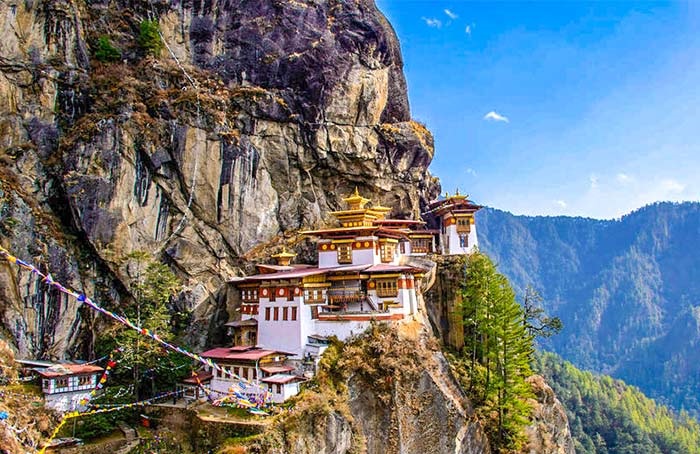
Tiger’s Nest Monastery
Why Choose A Private Small-Group Tour?
For travellers who dislike large group tours but do not want to manage every detail independently, a private small-group tour can offer a practical middle ground.
With fewer participants, the itinerary can move at a more comfortable pace. Visitors can take their time during the hike to Tiger’s Nest, spend longer at a monastery, or adjust the day’s activities according to their energy level. Custom travel also avoids unnecessary sightseeing stops. Instead of filling every day with too many attractions, the itinerary can focus on the places that matter most to the traveller.
Another advantage is the support provided by a local travel team. Visa procedures, accommodation, vehicles, guides, and cross-region transfers can be arranged in advance. If weather or road conditions affect the programme, the local team can help make suitable adjustments.
China Dragon Travel offers private custom small-group trips with departures from two people. This arrangement is suitable for couples, friends, families, and international visitors who want a more personal Bhutan experience. The team can help design the route according to individual preferences and assist with flight arrangements to create a more complete travel plan.
Recommended Itinerary: 6-Day Bhutan Highlights Tour
Day 1: Arrive In Paro And Travel To Thimphu
After arriving in Paro, travel to Thimphu, Bhutan’s capital. The distance is approximately 55 kilometres, with a driving time of around 1.5 hours. The route offers an introduction to Bhutan’s mountain scenery and traditional architecture.
Day 2: Explore Thimphu
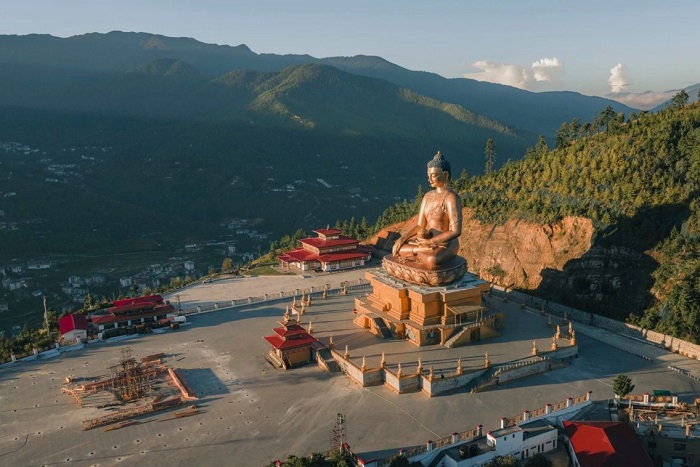
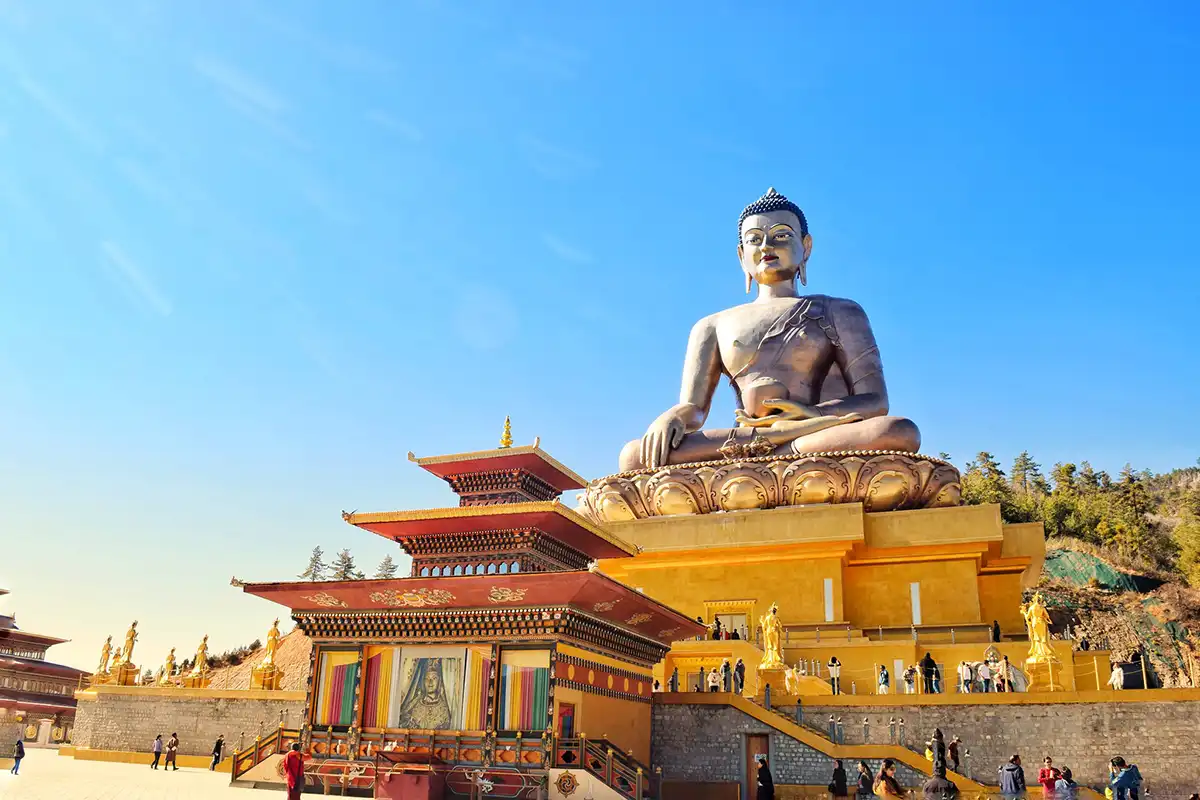
The day may include visits to the National Library, Bhutan Post Office, Bangri Zang Temple, Buddha Dordenma viewpoint, and the King’s Memorial Chorten. The memorial area is located at approximately 3,180 metres, so visitors should walk at a comfortable pace.
Depending on the schedule, travellers can also enjoy free time in Thimphu for shopping, dining, or exploring local streets.
Day 3: Thimphu To Punakha
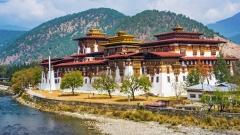
Travel from Thimphu to Punakha via Dochula Pass. The journey is approximately 75 kilometres and takes around three hours. Along the way, visitors can enjoy mountain views and visit Punakha Dzong and Chimi Lhakhang.
Punakha Dzong is one of Bhutan’s most impressive fortress-monasteries, while Chimi Lhakhang is associated with local religious stories and the traditions surrounding the Divine Madman.
Day 4: Punakha To Paro
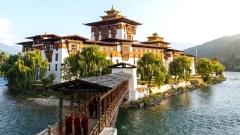
Return to Paro via Simtokha Dzong. The journey is approximately 120 kilometres and takes around 4.5 hours. Depending on the available time, visitors may visit Ta Dzong, Rinpung Dzong, or other attractions around Paro.
Because the driving time is relatively long, it is better not to overcrowd this day with too many activities.
Day 5: Hike To Tiger’s Nest Monastery
Tiger’s Nest Monastery is one of the highlights of any Bhutan trip. Visitors can hike to the monastery at a pace suitable for their fitness level, enjoying forest trails, mountain scenery, and views of the dramatic cliffside temple.
The route includes uphill sections and stairs, so comfortable walking shoes, drinking water, sun protection, and regular breaks are recommended.
Day 6: Depart From Paro
Transfer to Paro International Airport according to the flight schedule and leave Bhutan.
Recommended Itinerary: 8-Day Bhutan Dagala Trekking Adventure
Travellers who want to combine cultural sightseeing with high-altitude trekking may prefer an eight-day adventure covering Paro, Thimphu, and the Himalayan mountain region.
The journey begins in Paro, followed by a visit to Tiger’s Nest and an acclimatisation walk. The trekking section may continue through areas such as Genekha, Gur, Labatama, and Panka, with some locations reaching elevations above 4,000 metres.
High-altitude trekking requires good physical preparation and sufficient time for acclimatisation. Visitors should not attempt demanding mountain activities immediately after arrival. Suitable equipment, professional guides, transportation, accommodation, and emergency planning should be confirmed before departure.
After completing the trek, travellers return to Thimphu and then continue to Paro for their international flight. This type of itinerary is suitable for visitors who enjoy mountain scenery, outdoor activities, and a deeper exploration of Bhutan, although it may not be appropriate for every first-time visitor.
How To Choose The Right Bhutan Travel Style
Travellers who prefer fixed arrangements and a more predictable budget may find a scheduled group tour suitable. Those who want more flexibility without handling every transportation and document detail themselves may prefer a private custom small-group trip.
Before booking, check whether the quotation includes visa assistance, the Sustainable Development Fee, accommodation, transportation, meals, sightseeing, and guide services. It is also important to confirm whether an English-speaking guide is provided and whether the itinerary can be adjusted according to fitness, interests, and travel pace.
For international visitors, the guide’s language ability and local experience are particularly important. An English-speaking guide can assist with communication, explain religious etiquette, introduce local history, and help travellers understand cultural practices.
Find Your Own Way To Experience Bhutan
Independent travel in Bhutan is different from independent travel in most countries. Visitors can enjoy some freedom in major towns such as Paro and Thimphu, but travelling to other regions, visiting important cultural sites, and undertaking trekking activities generally requires support from guides, vehicles, and travel companies.
These arrangements may appear restrictive at first, but they can also reduce the stress of transportation, documentation, and itinerary coordination. The key question is not simply whether to travel independently or join a tour, but how to create a travel style that matches your interests and preferred pace.
For international visitors who dislike large groups but still want reliable support, a private small-group tour offers a balanced solution. With China Dragon Travel’s custom trips starting from two people, travellers can design a Bhutan itinerary around their interests, fitness, and schedule while retaining enough flexibility to explore the country in their own way.