
Planning a trip to Bhutan often raises an important question: Is Bhutan safe for international visitors? The short answer is yes. Bhutan is widely regarded as one of the safest destinations in South Asia, with low crime rates, a stable political environment, and a strong sense of community. However, travelling in Bhutan still requires preparation because of its mountainous terrain, winding roads, changing weather, limited medical facilities, and high-altitude locations.
For most visitors, the main safety concerns are not serious crime or political unrest. Instead, they are related to transportation, hiking conditions, altitude, health, and the remoteness of some destinations. Understanding these factors before departure can help you enjoy Bhutan with greater confidence.
- Bhutan is generally safe for international travellers, with low levels of violent crime and a stable social environment.
- Mountain roads, weather changes, and hiking trails require more attention than ordinary city travel.
- Most international visitors need a visa and must pay the Sustainable Development Fee, commonly known as the SDF.
- Travel insurance, suitable clothing, and careful itinerary planning are important for a comfortable journey.
- Booking with an experienced local operator such as China Dragon Travel can make transportation, accommodation, guides, and emergency support easier to manage.
Is Bhutan Safe For International Travellers?
Bhutan is considered a safe destination for solo travellers, couples, families, and small groups. Serious violent crime involving tourists is uncommon, and visitors generally experience a peaceful atmosphere in towns, villages, monasteries, and popular sightseeing areas.
The country has a strong community-oriented culture. Local people are usually respectful and helpful, while traditional values encourage visitors to behave responsibly and show consideration toward others. As in any destination, travellers should still take normal precautions, such as keeping passports and valuables secure, avoiding isolated areas late at night, and being careful with personal belongings in busy places.
Thimphu and Paro are relatively easy to navigate, particularly when travelling with a local guide or driver. Outside the main towns, however, roads become more remote and the landscape becomes more mountainous. This makes good planning especially important.
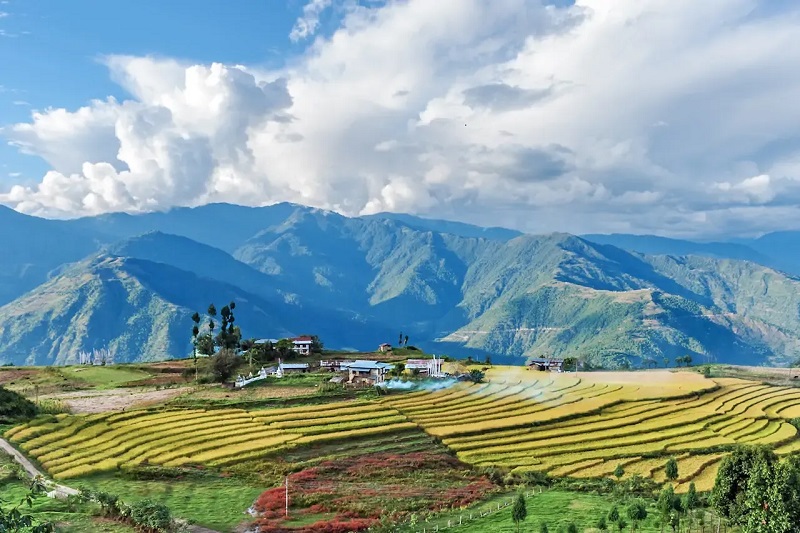
Bhutan Travel
Political And Social Stability
Bhutan has a stable political environment and is generally peaceful. Large-scale protests, civil unrest, and political violence are not common concerns for tourists. The country’s tourism industry is carefully managed, and visitor numbers, travel services, and tourism policies are regulated by the government.
Travellers should still check the latest entry requirements and travel advisories before departure because visa rules, fees, transport schedules, and tourism policies can change. A reliable travel company can help confirm the latest requirements before you travel.
Is Transportation In Bhutan Safe?
Transportation is one of the most important safety considerations in Bhutan. The country is located in the Himalayas, and many roads pass through steep valleys, mountain passes, and areas with sharp bends. Journeys that look short on a map may take several hours because of road conditions and changes in elevation.
Professional local drivers are familiar with the terrain, weather, and road conditions. Travellers should avoid rushing between destinations and should allow extra time for mountain journeys. It is also advisable to travel during daylight whenever possible, especially on unfamiliar roads.
During the monsoon season, heavy rain can cause landslides, road damage, and delays. In winter, snow and ice may affect higher mountain passes. Your itinerary should remain flexible enough to accommodate unexpected road conditions.
When choosing a Bhutan tour, ask whether the package includes a licensed local driver, a suitable vehicle, and support in case of road closures or delays. China Dragon Travel can help arrange transportation and coordinate the itinerary according to local conditions.
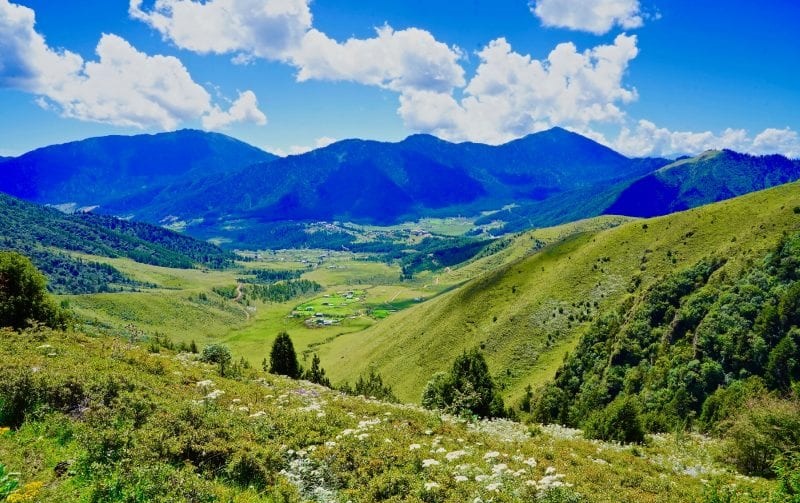
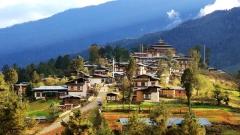
Gangtey Valley
Hiking And Natural Safety
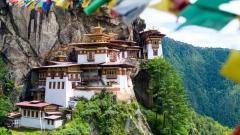
Bhutan is famous for its mountains, forests, monasteries, and scenic hiking routes. These landscapes are beautiful, but some trails can be physically demanding. The most famous example is the hike to Tiger’s Nest Monastery, also known as Taktsang Monastery.
The Tiger’s Nest hike includes uphill sections, uneven steps, forest paths, and exposed viewpoints. The total walking time depends on your pace and whether you stop at the cafeteria or viewpoints along the way. Visitors should wear comfortable hiking shoes, carry water, and avoid rushing.
Weather can change quickly in the mountains. Rain may make trails slippery, while strong sunlight can cause dehydration. In colder months, some areas may become icy or uncomfortable without suitable clothing.
For longer hikes, travellers should follow the guide’s instructions and avoid leaving the marked route. If you feel dizzy, unusually tired, or unwell, inform your guide and take a break. A good itinerary should match your physical condition rather than forcing you to complete every activity.
Altitude And Health Considerations
Bhutan is not located at the same altitude everywhere. Paro and Thimphu are already higher than many international cities, while mountain passes and trekking areas can reach much greater elevations. Some visitors may experience mild altitude-related symptoms, including headaches, tiredness, shortness of breath, or difficulty sleeping.
Most travellers adjust well when they take their time, stay hydrated, eat regularly, and avoid intense exercise immediately after arrival. It is better to begin with a relaxed schedule instead of planning demanding hikes on the first day.
Travellers with heart, lung, or other serious medical conditions should consult a doctor before visiting high-altitude destinations. Older travellers and families with young children should also choose routes carefully and discuss any concerns with their travel company in advance.
If you experience severe headache, persistent vomiting, confusion, serious breathing difficulty, or worsening symptoms, seek medical assistance immediately. Do not assume that all discomfort is simply normal acclimatisation.
Medical Facilities And Emergency Support
Bhutan has hospitals and clinics in major towns, but medical facilities are more limited in remote valleys and rural areas. Serious medical treatment may require transfer to a larger hospital or evacuation to another country.
For this reason, comprehensive travel insurance is strongly recommended. Your policy should cover medical treatment, emergency evacuation, trip interruption, and activities such as hiking if they are included in your itinerary.
Before departure, prepare a list of important medications and carry enough supplies for the entire journey. It is also useful to bring basic medicine for headaches, stomach discomfort, motion sickness, allergies, and minor injuries.
Travelling with an experienced local team provides an additional layer of support. A local guide can help communicate with medical staff, arrange transportation, and respond more quickly if an unexpected problem occurs.
Food, Water, And Personal Hygiene
Food in Bhutan is generally safe when prepared and served in clean restaurants or hotels. Traditional Bhutanese dishes often include rice, vegetables, chilli, cheese, and meat. Visitors who are not accustomed to spicy food should let their guide or hotel know in advance.
Drink bottled, filtered, or properly treated water. Avoid drinking untreated water from rivers, streams, or mountain sources. When buying bottled water, check that the seal is intact.
Travellers with sensitive stomachs should introduce unfamiliar dishes gradually and avoid eating too much rich or spicy food at once. Carrying hand sanitiser and basic stomach medicine can also be helpful.
Vegetarian meals are widely available, but travellers with allergies or strict dietary requirements should communicate these needs before the trip. China Dragon Travel can help coordinate dietary preferences with hotels and local restaurants.
Weather And Seasonal Risks
Bhutan has four distinct seasons, and each offers a different travel experience. Spring is known for flowers and pleasant hiking conditions, while autumn often brings clear skies and excellent mountain views. Winter can be cold, particularly in the evenings and at higher elevations. Summer brings greener landscapes but also heavier rainfall.
The monsoon season may affect road travel because of rain, landslides, and reduced visibility. Travellers visiting during this period should expect possible changes to the itinerary.
Always check the weather forecast before hiking or travelling through mountain passes. Bring layers, waterproof clothing, sun protection, and shoes suitable for uneven surfaces. Even on a sunny morning, conditions can change quickly in the mountains.
Cultural Etiquette And Personal Safety
Bhutan has a deeply rooted Buddhist culture, and visitors should respect local customs. When entering monasteries, temples, and religious sites, dress modestly and follow the instructions of your guide. In many places, hats and sunglasses should be removed, and photography may be restricted.
Do not touch religious objects without permission. Walk around religious monuments in the appropriate direction, and avoid loud conversations inside temples. Ask before photographing monks, local residents, or religious ceremonies.
Traditional buildings, prayer flags, stupas, and monasteries are important cultural sites. Treat them respectfully and avoid climbing on structures or disturbing religious activities.
Following local customs is not only polite; it also helps create a safer and more comfortable experience for both visitors and residents.
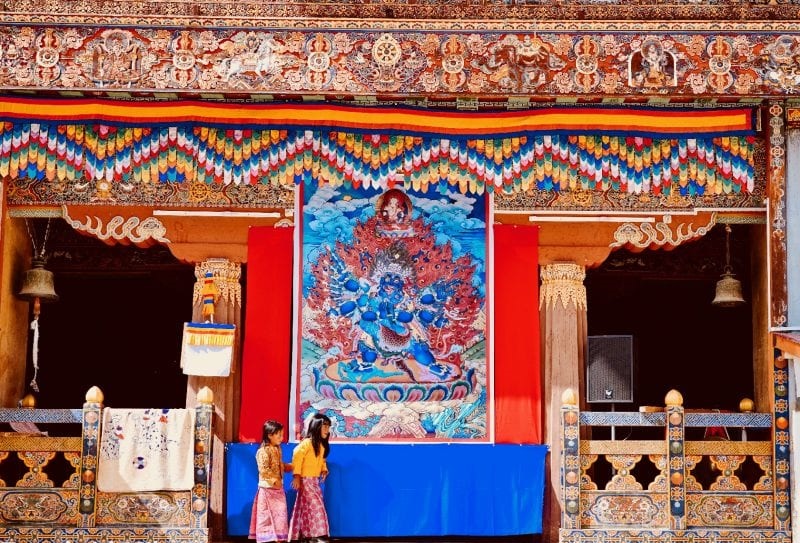
Gangtey Goemba
Is Bhutan Suitable For Families And Older Travellers?
Bhutan can be a good destination for families and older travellers, but the itinerary should be designed around comfort and mobility. Long mountain drives, steep steps, and high-altitude locations may be tiring for some visitors.
Families should avoid scheduling too many activities in one day. Children may enjoy cultural attractions, scenic drives, nature walks, and visits to local villages, but long hikes should be optional.
Older travellers should consider private tours rather than large fixed groups. A private itinerary allows more time for rest, flexible departure times, and adjustments when someone feels tired.
China Dragon Travel can help arrange a more comfortable Bhutan journey with private transportation, English-speaking guides, suitable hotels, and a balanced schedule.
Why Choose China Dragon Travel For A Bhutan Trip?
A safe Bhutan journey depends not only on the destination but also on the quality of the arrangements. China Dragon Travel can assist international visitors with itinerary planning, visa arrangements, the Sustainable Development Fee, accommodation, transportation, meals, and English-speaking guide services.
A well-organised tour can reduce common travel difficulties, including unclear transportation arrangements, language barriers, sudden schedule changes, and confusion about local procedures. The local team can also provide practical advice about weather, hiking conditions, clothing, food, and cultural etiquette.
For travellers who prefer a more relaxed experience, a private tour or a two-person departure can offer greater flexibility than a large group. You can spend more time at important sites, adjust the pace of sightseeing, and receive more personalised assistance throughout the journey.
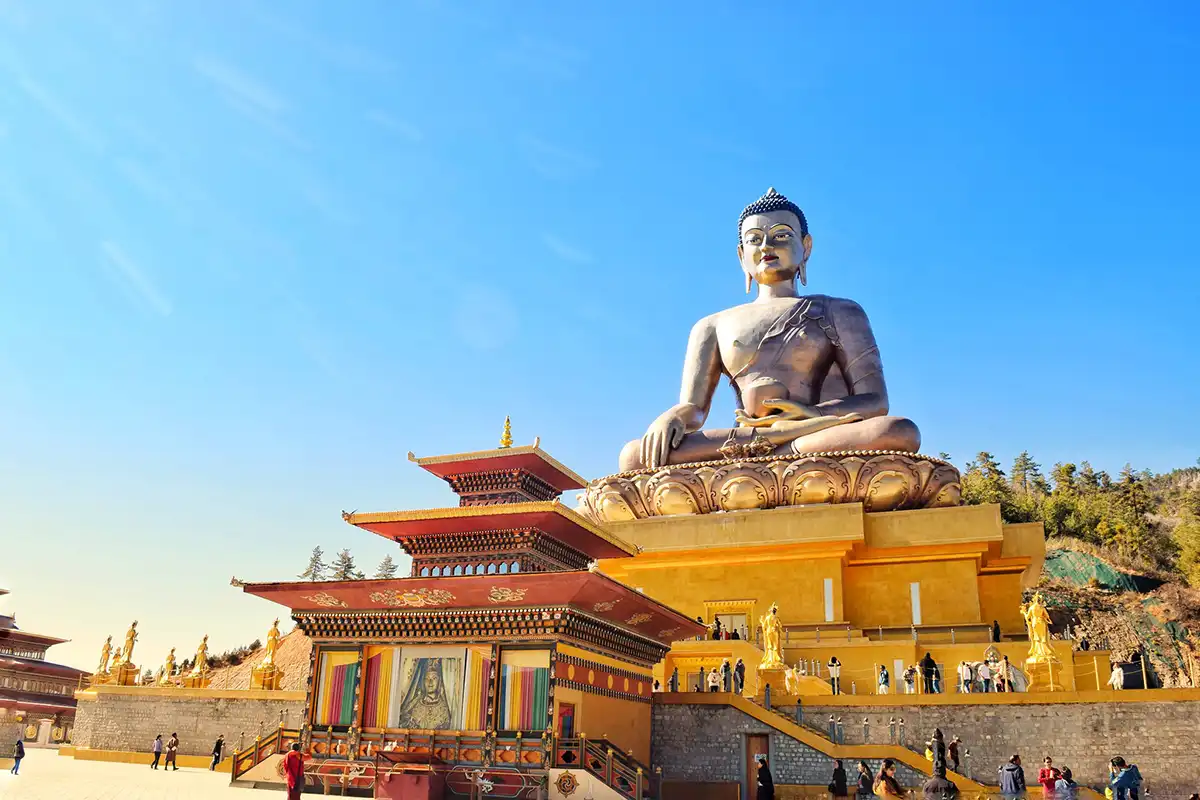
How To Prepare For A Safe Bhutan Holiday
Before travelling to Bhutan, make sure you have the following arrangements in place:
- A valid passport with sufficient validity.
- An approved Bhutan visa, if required.
- Confirmation of the Sustainable Development Fee and other travel costs.
- Comprehensive travel insurance.
- Suitable walking shoes and layered clothing.
- Necessary personal medication and basic travel supplies.
- A realistic itinerary with enough time for mountain journeys.
- Contact details for your travel company, guide, and accommodation.
- Copies of important documents stored separately from the originals.
It is also helpful to inform your travel company about medical conditions, dietary restrictions, mobility concerns, or special requests before arrival.
Final Thoughts: Is Bhutan Safe To Visit?
Bhutan is a safe and rewarding destination for international visitors who prepare properly and respect the local environment and culture. The main risks are usually related to mountain roads, changing weather, hiking conditions, altitude, and limited medical services in remote areas rather than serious crime.
Choosing an experienced travel company can make the journey more comfortable and reduce unnecessary uncertainty. With carefully planned transportation, suitable accommodation, an English-speaking guide, and practical local support, travellers can explore Bhutan’s monasteries, valleys, mountain scenery, and cultural traditions with confidence.
For visitors looking for a reliable and well-organised Bhutan experience, China Dragon Travel offers tailored travel arrangements designed to combine cultural discovery, natural scenery, comfort, and local assistance throughout the journey.