
Introduction
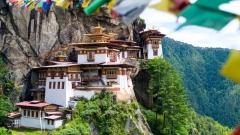
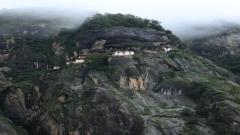
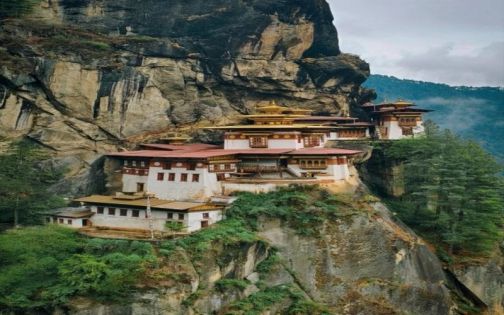
Perched dramatically on a sheer cliff above Bhutan’s Paro Valley, Tiger’s Nest Monastery, officially known as Paro Taktsang, is one of the most iconic landmarks in the Himalayas. Reaching the monastery requires a challenging but rewarding hike through pine forests, prayer-flag-lined trails, mountain paths and steep stone steps, with the final destination rising to around 3,120 meters above sea level. More than a spectacular viewpoint, Tiger’s Nest is one of Bhutan’s most sacred Buddhist sites, deeply connected to the legend of Guru Rinpoche and centuries of spiritual practice. For first-time visitors to Bhutan, understanding the hiking distance, elevation gain, trail conditions, weather, clothing, photography rules and realistic time requirements can make the experience much more comfortable. This guide covers everything you need to know before hiking to Tiger’s Nest, from the route and difficulty level to the best time to visit and practical tips for a smooth journey.
Key Takeaways
- Tiger’s Nest is located near Paro, Bhutan, at approximately 3,120 meters above sea level and is reached by hiking from the trailhead rather than by road.
- Allow around 4–6 hours for the round trip, including hiking, rest stops, photography and time to visit the monastery.
- The trail involves significant elevation gain and steep sections, but it does not require technical climbing skills. A steady pace, comfortable hiking shoes and trekking poles are highly recommended.
- The best hiking experience is generally in spring and autumn, while the summer monsoon can make the trail wet and slippery. Winter can be cold but may offer clear mountain views.
- Photography is restricted inside parts of the monastery, so take advantage of the outdoor viewpoints and scenic sections of the trail before entering the religious complex.
- Horse riding is available for part of the lower trail, but horses cannot take visitors all the way to the monastery, meaning the final steep section must still be completed on foot.
- Respect local Buddhist customs, including appropriate clothing, quiet behavior and restrictions on photography and touching religious objects.
- Start early whenever possible to avoid the strongest midday sun, allow plenty of time for the hike and enjoy the Paro Valley without rushing.
Tiger’s Nest
Where Is Tiger’s Nest and Why Is It a Must-Visit in Bhutan?
If you are visiting Bhutan for the first time and can only choose one iconic attraction, Tiger’s Nest Monastery, also known as Paro Taktsang, is one of the places you should not miss. Perched dramatically on a cliff above the Paro Valley, the monastery appears to hang from the mountainside, making it one of the most recognizable landmarks in Bhutan.What makes Tiger’s Nest different from an ordinary sightseeing attraction is that you cannot drive directly to the monastery. Visitors must hike through pine forests, along mountain trails, past prayer flags and waterfalls, and finally climb a series of steep stone steps before reaching the monastery.The journey is therefore just as important as the destination. For many travelers, the hike provides one of the most memorable experiences of a trip to Bhutan.Tiger’s Nest is located near Paro, home to Bhutan’s only international airport. Because most international visitors enter Bhutan through Paro, the monastery is easy to include in a Bhutan itinerary. Depending on your schedule and fitness level, you can generally allow half a day to a full day for the experience.
The Legend and History of Tiger’s Nest
The history of Tiger’s Nest is closely connected with Guru Rinpoche, also known as Padmasambhava, one of the most important figures in Himalayan Buddhism.According to Bhutanese tradition, Guru Rinpoche arrived in the Paro Valley in the 8th century riding on the back of Yeshe Tsogyal, who had taken the form of a flying tigress. He landed on the cliffs where Tiger’s Nest stands today and meditated in a natural cave.Local tradition holds that Guru Rinpoche spent time meditating here and subdued negative forces in the region. The site subsequently became an important place of Buddhist practice and pilgrimage. The name “Tiger’s Nest” comes from this legendary journey on the back of the tigress.The religious history of the site is much older than the monastery buildings visitors see today. The natural caves have long been associated with Buddhist meditation and spiritual practice, while the main monastery complex was established in the late 17th century.Tiger’s Nest has also survived significant challenges. In 1998, a major fire damaged parts of the monastery. The complex was subsequently restored in keeping with its traditional architectural style. The monastery visitors see today therefore represents centuries of religious history as well as later restoration and preservation work.
How High Is Tiger’s Nest and How Difficult Is the Hike?
Tiger’s Nest is located at approximately 3,120 meters above sea level. The trailhead and parking area are around 2,600 meters, meaning hikers gain roughly 500 to 700 meters of elevation depending on the exact starting point and route.The hike is not technically difficult and does not require mountaineering skills. However, the combination of elevation, continuous uphill walking and steep steps can make it physically demanding, especially for travelers who are not accustomed to hiking.The best approach is to walk at a steady pace rather than trying to keep up with faster hikers. Take regular breaks, drink water and allow your body time to adjust to the altitude.Travelers who exercise regularly or have some hiking experience will generally find the route manageable. Even those who do not hike regularly can complete it by taking their time and allowing enough rest periods.
Tiger’s Nest
Tiger’s Nest Hiking Route: What to Expect
Tiger’s Nest is not accessible by road. Vehicles can take you to the trailhead, but the rest of the journey must be completed on foot. A typical round trip takes around four to six hours, although travelers who stop frequently for photographs and rest may need longer.
Section One: Trailhead to the Mountain Café
The hike begins from the parking area at the base of the mountain. The first section follows a continuously uphill forest trail, passing through pine trees and areas decorated with colorful Buddhist prayer flags.Although this section is not extremely steep, the continuous climb can quickly use up your energy. It is better to start slowly rather than pushing hard during the first hour.Depending on your pace, this section can take approximately 45 minutes to 1.5 hours.The mountain café halfway up the trail is an important resting point. You can stop for tea, drinks and a short break before continuing toward the monastery.It is also one of the first good places to photograph Tiger’s Nest from a distance. From here, the monastery begins to appear clearly against the surrounding cliffs and forests.
Section Two: Mountain Café to the Main Viewpoint
After leaving the café, the trail continues through the forest. The terrain remains mostly manageable, with a mixture of gentle uphill sections and relatively level stretches.As you gain elevation, the view toward the Paro Valley gradually opens up. This section generally takes around 45 minutes to one hour, depending on your pace.Eventually, you reach a viewpoint at approximately the same elevation as the monastery. This is one of the best locations for photographing the classic panoramic view of Tiger’s Nest.From this point, you can clearly see the monastery complex built into the steep cliffside. On clear days, the combination of the monastery, forested mountains and Paro Valley creates one of the most impressive views in Bhutan.
Section Three: Viewpoint, Waterfall and Stone Steps to the Monastery
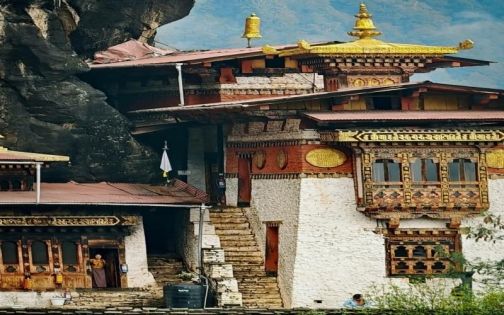
The final section is usually the most physically demanding part of the hike.From the main viewpoint, the trail first descends into a gorge. You then pass near a waterfall and cross the bridge before beginning another climb toward the monastery.This section can be deceptive. Once you see Tiger’s Nest directly ahead, it may look as though you are almost there. However, you still need to descend and then climb several hundred steep steps before reaching the monastery entrance.The stone steps can be particularly challenging for the knees, especially on the way back down.After rain, the rocks and steps can become slippery, so slow down and pay close attention to your footing.
How Long Does the Tiger’s Nest Hike Take?
For most travelers, it is sensible to allow four to six hours for the complete round trip, including rest stops and time at the monastery.The uphill journey usually takes around two to three hours, while the descent takes approximately 1.5 to two hours. Additional time should be allowed for visiting the monastery, resting and taking photographs.An early start is highly recommended. For example, you could have breakfast at your hotel around 6:00 a.m., arrive at the trailhead around 6:30 a.m. and begin hiking while temperatures are still relatively comfortable.Starting early also gives you more time to enjoy the monastery without rushing and helps you avoid the stronger midday sun.There is little benefit in trying to complete the hike as quickly as possible. The scenery, mountain atmosphere and changing views are an important part of the experience.
Can You Ride a Horse to Tiger’s Nest?
Horseback riding is available for part of the Tiger’s Nest route, and horses can help reduce the physical effort required during the lower section of the trail.However, horses cannot take you all the way to the monastery. They are generally used on the wider lower section of the trail, while the steeper upper section and stone steps must still be completed on foot.For travelers without previous horseback riding experience, it is worth considering whether riding is actually more comfortable than walking. Mountain trails can be narrow and uneven, and maintaining balance on a horse while going uphill or downhill is not necessarily easier.If you are reasonably comfortable with hiking, walking at your own pace is often the simplest option. Travelers with limited stamina can ask their local guide about the current horseback riding arrangements and decide based on the conditions that day.
Tiger’s Nest
What Should You Pack for the Tiger’s Nest Hike?
Wear Comfortable Hiking Shoes
Good footwear is one of the most important things to bring. The trail includes dirt paths, loose stones, muddy sections and steep stone steps.A pair of comfortable hiking shoes or trail shoes with good grip is recommended. Avoid flip-flops, high heels, smooth-soled casual shoes and footwear that provides little ankle or foot support.This becomes particularly important during the descent, when slippery surfaces can increase the risk of falling.
Bring Trekking Poles
A trekking pole can be surprisingly useful on the Tiger’s Nest hike.It can provide additional support during the uphill sections and improve balance while descending. It can also reduce some of the strain on your knees during the steepest sections.Simple walking sticks or trekking poles may sometimes be available near the trailhead, but bringing your own is more reliable.
Prepare for Sun, Wind and Rain
Mountain weather can change quickly. A lightweight windproof jacket is useful because temperatures can feel noticeably cooler at higher elevations, particularly when clouds and wind arrive.Sun protection is also important. Bring sunscreen, sunglasses and a hat, especially because ultraviolet exposure can be stronger at higher elevations.If you visit during the rainy season, carry a lightweight rain jacket or poncho. Wet trails can become muddy and slippery, so it is better to slow down rather than trying to rush through the rain.
Bring Water and Simple Snacks
Carry enough drinking water for the hike and drink regularly rather than waiting until you become very thirsty.Small snacks such as energy bars, nuts or chocolate can be useful if you feel your energy dropping during the climb.The mountain café provides an opportunity to stop for refreshments, but you should not rely on finding shops throughout the trail. It is best to prepare your basic supplies before leaving the trailhead.
Can You Take Photos Inside Tiger’s Nest?
Photography rules inside the monastery are much stricter than on the hiking trail.Photography and video recording are restricted in certain areas of the monastery, and visitors may be required to leave cameras, phones and other belongings in designated storage areas before entering certain parts of the complex.For this reason, take advantage of the viewpoints and outdoor sections before entering the monastery.The main viewpoint, waterfall area and sections of the hiking trail offer excellent opportunities for photographing Tiger’s Nest from different angles.Once inside the monastery, follow the instructions of the staff and your local guide. Do not take photographs in areas where photography is prohibited.
What Should You Know About Visiting the Monastery?
Tiger’s Nest is not simply a tourist attraction. It is an important Buddhist religious site and pilgrimage destination, so visitors are expected to behave respectfully.Dress appropriately and avoid clothing that is excessively revealing. Keep your voice low inside the monastery and do not touch statues, religious objects or ritual items without permission.Some areas may require visitors to remove their shoes. Wearing footwear that is easy to take off and put back on can make the visit more convenient after several hours of hiking.Following your guide is particularly useful because they can explain the religious significance of the different areas and tell you where photography is permitted.
When Is the Best Time to Visit Tiger’s Nest?
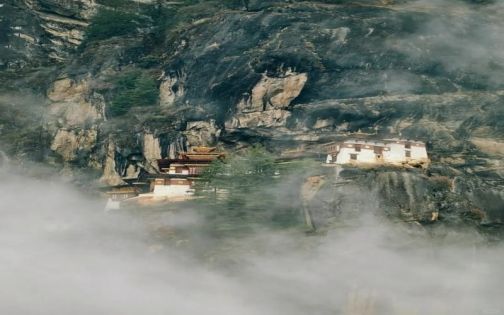
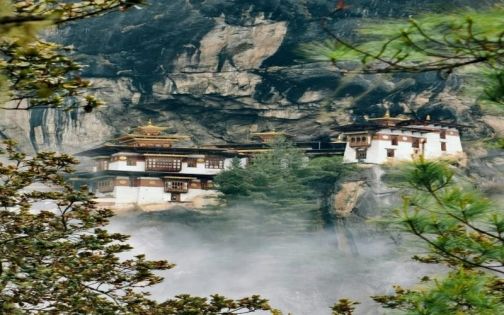
Spring and autumn are generally popular seasons for hiking and sightseeing in Bhutan. Spring brings fresh greenery and pleasant mountain scenery, while autumn often offers clearer conditions and excellent views of the Paro Valley.Summer coincides with Bhutan’s monsoon season. Rain can make the trail muddy and slippery, but the surrounding forests become exceptionally green, and mist around the cliffs can create a dramatic atmosphere.Winter is colder, particularly in the early morning and evening, but clear days can still provide excellent hiking conditions and views.Rather than focusing only on a specific “best month,” consider the actual weather forecast, trail conditions and your own hiking ability before setting out.
Is Tiger’s Nest Suitable for Everyone?
Tiger’s Nest is suitable for most travelers with a reasonable level of mobility, but it should not be treated as a casual sightseeing stop.The trail involves several hours of walking and significant elevation gain. Travelers who regularly hike or exercise will generally find it easier, while those with little exercise experience should allow more time and take frequent breaks.Older travelers or anyone who knows they may struggle with steep trails should discuss the hike with their local guide or tour operator before departure. The most important thing is not to rush.If you develop significant dizziness, nausea, breathing difficulties, chest discomfort or other unusual symptoms during the hike, stop and seek assistance rather than forcing yourself to continue.
Tiger’s Nest
How to Plan a Tiger’s Nest Day Trip
A comfortable Tiger’s Nest itinerary usually starts early in the morning. After breakfast at your hotel, drive to the trailhead and begin the hike.Spend the morning completing the climb and visiting the monastery, then descend around lunchtime. After lunch and a short rest, you can either return to your hotel or continue exploring other attractions around Paro.Depending on your energy level and schedule, nearby attractions can be combined with Tiger’s Nest on the same day. However, if you want a relaxed experience, there is nothing wrong with making Tiger’s Nest the main activity of the day.For first-time visitors to Bhutan, it can also be helpful to spend some time in Paro before attempting the hike. This allows you to settle into the altitude and avoid starting a demanding hike immediately after arriving in the country.
Is Tiger’s Nest Worth Visiting?
For a first trip to Bhutan, Tiger’s Nest is absolutely worth the effort.What makes the experience memorable is not simply the monastery hanging dramatically from the cliff. It is the journey that leads you there: walking through pine forests, passing prayer flags, crossing mountain paths and waterfalls, descending into the gorge and finally climbing the steep stone steps toward the monastery.When Tiger’s Nest gradually appears through the trees and clouds, the effort of the hike suddenly feels worthwhile.For travelers, it may be a four-to-six-hour mountain hike. For many Bhutanese people, however, Tiger’s Nest represents something much deeper: faith, pilgrimage, meditation and centuries of Buddhist tradition.The dramatic landscape is only part of the story. The legend of Guru Rinpoche, the ancient meditation caves, the monastery architecture and the journey on foot all come together to make Tiger’s Nest one of Bhutan’s most meaningful destinations.If you are traveling to Bhutan for the first time, leave enough time in your itinerary to experience it without rushing. Walk slowly, respect the religious traditions, pay attention to the changing mountain scenery and allow the journey itself to become part of the destination.Perched high above the Paro Valley, surrounded by cliffs, forests, clouds and prayer flags, Tiger’s Nest is more than a spectacular photograph. It is one of the places where Bhutan’s landscape, history and spiritual culture come together in a single unforgettable journey.