
preface
Bhutan is one of the most unique destinations in the Himalayas, combining dramatic mountain scenery, centuries-old Buddhist traditions, traditional architecture and a slower pace of life. But travelling to Bhutan is different from visiting most Asian countries. Before booking your trip, it is important to understand the visa process, Sustainable Development Fee (SDF), limited international flights, local transportation and guide requirements. This practical Bhutan travel guide covers the essential information you need, from planning your first trip and choosing an itinerary to hiking Tiger’s Nest and managing your travel budget.
Key Points at a Glance
- Visa & SDF: International visitors generally need an online visa, with a US$40 visa application fee and a US$100-per-night SDF for adults.
- Flights: Paro is Bhutan’s main international gateway, with flights connecting to destinations such as Kathmandu, Bangkok, Dhaka, Singapore and cities in India.
- Getting Around: Private cars with drivers are the most convenient way to explore Bhutan, especially when travelling between Paro, Thimphu and Punakha.
- Tiger’s Nest: Allow around 5–7 hours for the round-trip hike, including rest, photography and visiting the monastery.
- Best Time to Visit: March–May and September–November are popular periods for comfortable weather, mountain views, trekking and seasonal scenery.
- First-Time Route: For a short trip, Paro, Thimphu and Punakha cover many of Bhutan’s most important cultural and scenic highlights.
Bhutan
Bhutan Travel Guide: Visa, Flights, SDF, Transport, Tiger’s Nest Trek & 3-Day Itinerary
Bhutan is a small Himalayan kingdom in South Asia, known for its dramatic mountain landscapes, Buddhist culture, traditional architecture and well-preserved way of life. For first-time visitors, the most important things to understand before travelling are not only where to go, but also how the visa works, how the Sustainable Development Fee (SDF) is calculated, which flights are available, how transportation works and what to expect when visiting monasteries and dzongs.With these arrangements made in advance, travelling around Bhutan is much easier than many first-time visitors expect.
Bhutan Visa and Entry Requirements
How to Apply for a Bhutan Visa
Most international visitors, including Chinese passport holders, need a visa before travelling to Bhutan. Bhutan uses an online visa system, and travellers can apply independently or arrange the process through a local tour operator.The current visa application fee is US$40 per person. In addition, adult international visitors generally need to pay a Sustainable Development Fee (SDF) of US$100 per night. This means that the SDF is one of the largest fixed expenses of a Bhutan trip. The visa fee and SDF are separate charges.Travellers should prepare their passport and other required information before submitting the application. Because online payment can occasionally be affected by international banking restrictions, it is worth checking that your card is enabled for overseas transactions before starting the application.
How Much Is the Sustainable Development Fee?
The SDF is calculated according to the number of nights spent in Bhutan rather than simply the length of the visa validity period.For example, an adult staying for three nights would normally pay US$300 in SDF, plus the US$40 visa application fee. Children between the applicable age ranges may receive reduced SDF rates, while young children may be exempt.SDF policies can change, so travellers should always check the latest information on Bhutan’s official tourism website before making final arrangements.
Flights to Bhutan
Where Can You Fly to Bhutan From?
Bhutan’s international gateway is Paro International Airport, and international flights are operated through a limited number of regional destinations.Depending on the current seasonal schedule, travellers can reach Bhutan from destinations including Kathmandu, Bangkok, Dhaka, Singapore and several cities in India.For travellers who do not hold an Indian visa, routing through Nepal or Thailand can be particularly convenient. A common option is to travel to Kathmandu first and then fly from Kathmandu to Paro.Because Bhutan has relatively limited international flight frequencies, it is better to confirm your flight dates before finalising the rest of your itinerary.
Drukair or Bhutan Airlines?
The two main airlines serving Bhutan are Drukair and Bhutan Airlines. Flight schedules and routes can vary according to the season, so travellers should check the latest timetable directly with the airlines before booking.Bhutan flights are also somewhat different from typical Southeast Asian routes. Promotional fares are less common, and prices can remain relatively stable. Instead of spending too much time waiting for a major discount, it is usually more practical to choose a suitable flight once your travel dates are confirmed.If you fly from Kathmandu to Paro, try to reserve a window seat on the left side of the aircraft. On a clear day, you may have spectacular views of the Himalayan range during the flight, including some of the world’s highest peaks.
Bhutan
Independent Travel or Tour?
Can You Travel Independently in Bhutan?
This is one of the most confusing points in older Bhutan travel guides.Bhutan allows travellers to plan and book many aspects of their own trip, including accommodation and other travel services. However, visitors are still required to travel with a certified local guide during their time in Bhutan, and guides are required for entry into certain monasteries, dzongs and cultural sites.Therefore, a practical way to travel independently is to design your own itinerary while arranging a certified guide, vehicle and driver in advance.This gives you more flexibility without having to organise everything after arrival.
Transportation and Accommodation
Travelling between Bhutan’s major destinations usually involves mountain roads, so journey times can be considerably longer than the distances on a map might suggest.Hiring a private vehicle with a driver is one of the most convenient ways to travel around Bhutan. Independent self-driving is generally not the normal option for international visitors.Accommodation ranges from guesthouses and standard hotels to luxury resorts. A basic three-star hotel can sometimes be found for around RMB 200 or more per night, although prices vary considerably according to location, season and hotel category.For a smoother trip, it is often easier to arrange accommodation, transportation and guiding services together.
A Classic 3-Day Bhutan Itinerary
Day 1 | Paro → Thimphu → Punakha → Thimphu
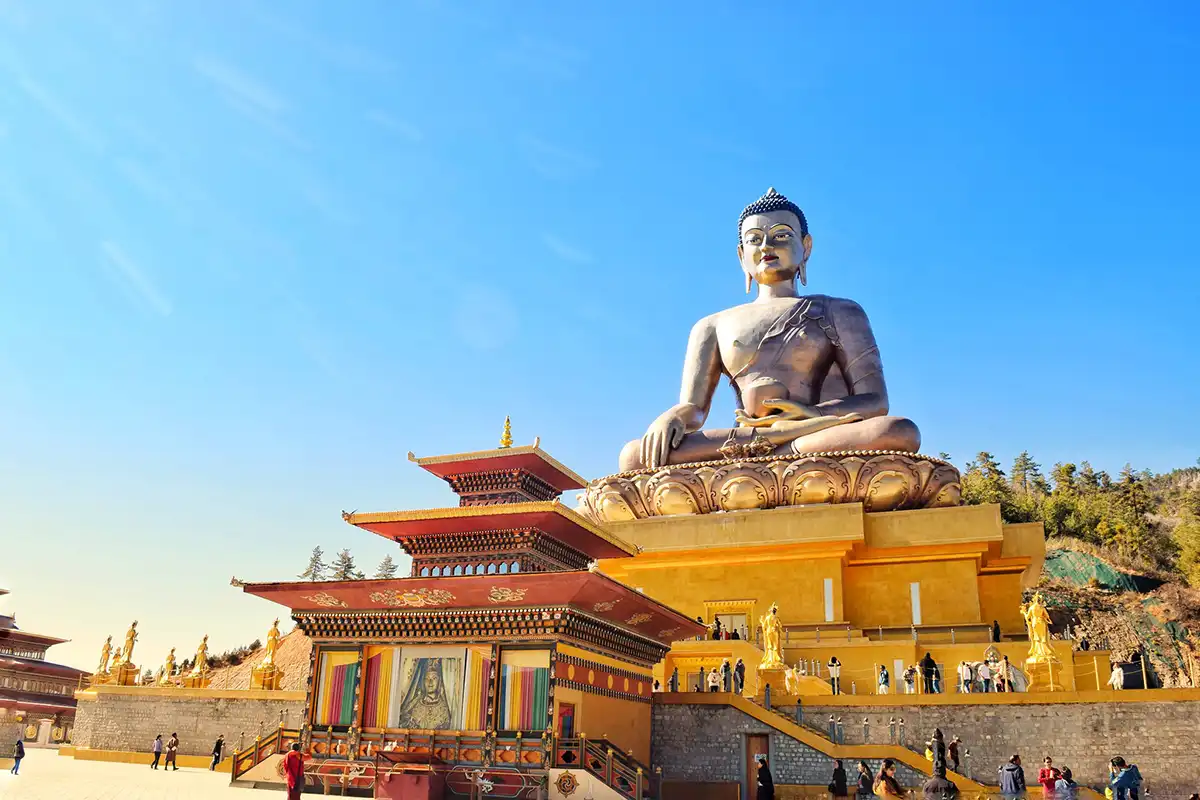
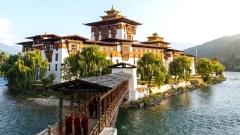
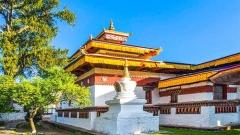
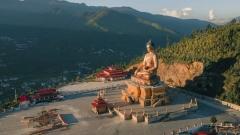
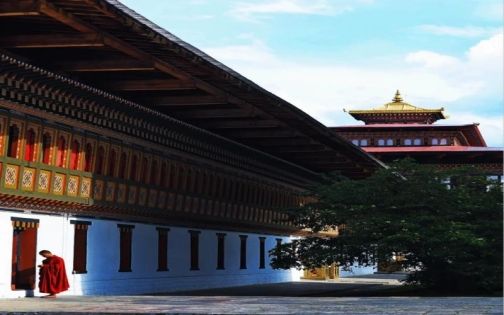
After arriving in Paro, travel towards Thimphu and, depending on your flight arrival time, continue towards Punakha.Along the way, you can stop at Tachog Lhakhang before visiting Buddha Dordenma in Thimphu. The Buddha statue stands approximately 51.5 metres high and is one of the city’s most recognisable landmarks.If time allows, visit Tashichho Dzong, one of the most important religious and administrative complexes in Thimphu.When travelling towards Punakha, you can stop at Dochula Pass, located at around 3,100 metres above sea level. The pass is famous for its 108 stupas and panoramic Himalayan views when weather conditions are favourable.Punakha Dzong is one of Bhutan’s most impressive architectural landmarks. Located at the meeting point of two rivers, the dzong is particularly beautiful during spring when jacaranda trees are in bloom.Because this is already a long travel day, avoid adding too many additional attractions.
Day 2 | Thimphu → Tiger’s Nest → Paro
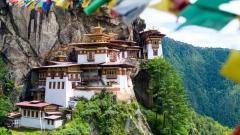
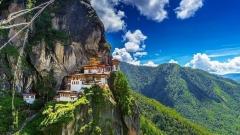
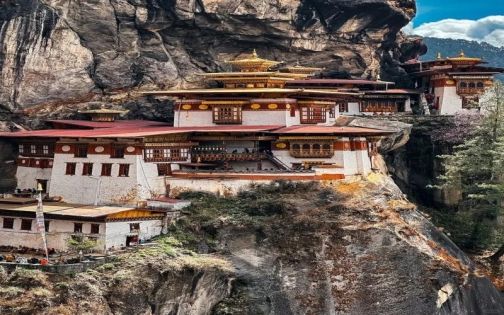
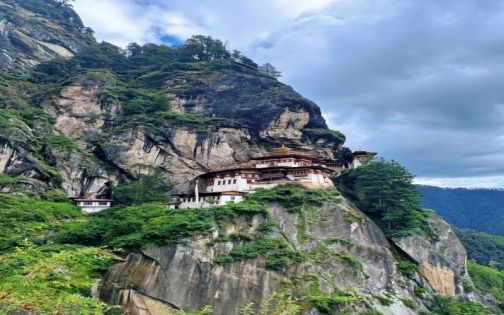
Tiger’s Nest, officially known as Taktsang Monastery, is the highlight of most first-time Bhutan itineraries and also the most physically demanding part of the trip.The monastery sits dramatically on a cliff above the Paro Valley. The trek includes steep sections, stairs, uphill climbs and downhill sections, so it should not be treated as a quick sightseeing stop.Most travellers should allow approximately five to seven hours for the complete experience, including walking, rest stops, photography and visiting the monastery.Horse rides are available for part of the uphill route, but horses cannot take visitors all the way to the monastery. The final section still requires walking, and visitors also need to walk back down.
Day 3 | Explore Paro → Departure
If your flight is not early in the morning, leave some time to explore Paro before departure.Paro Dzong, the National Museum and the town centre are convenient options. The town is also a good place to buy souvenirs such as tea, incense, handicrafts, stamps and locally produced items.Avoid planning too much on your departure day. Flights in mountainous regions can be affected by weather, so leaving a reasonable time buffer is a good idea.
Tiger’s Nest Trek: Practical Guide
How Long Does the Trek Take?
The exact distance varies depending on the route and starting point, but a round trip generally takes around five to seven hours for many visitors.The trail is not simply one continuous climb. There are uphill sections, downhill sections and numerous stairs, especially towards the monastery.A comfortable approach is to start early, climb slowly, take a break at the hillside café and continue towards the monastery. After visiting Tiger’s Nest, allow enough time for the descent rather than rushing back.
What Should You Bring?
Wear comfortable shoes with good grip. A small backpack with water, sunscreen, a hat and some snacks is usually sufficient.Layered clothing is useful because temperatures can change significantly between the valley and higher elevations.If you rarely exercise or hike, increase your walking activity before the trip. The biggest challenge is not simply altitude, but spending several hours climbing, descending and walking on uneven terrain.
Bhutanese Food and Daily Expenses
Dishes Worth Trying
Ema Datshi is one of Bhutan’s best-known dishes. It combines chilli peppers with cheese and can be considerably spicier than many first-time visitors expect.Kewa Datshi combines potatoes and cheese and is generally milder. Momos, a type of dumpling, are also common and make an easy meal during a busy sightseeing day.You can also try Suja, Bhutanese butter tea, and Ara, a traditional local alcoholic drink.If you are not accustomed to spicy food, ask the restaurant to reduce the chilli before ordering.
Bhutan
Bhutan Travel Tips
Dress Code and Religious Etiquette
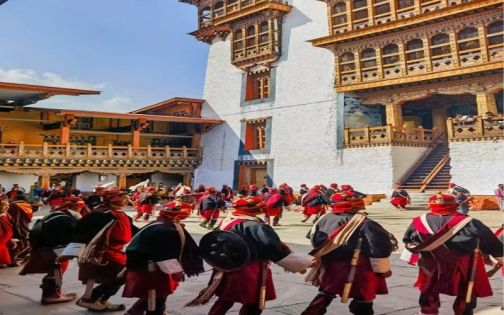
Bhutan has a strong Tibetan Buddhist cultural tradition. When entering monasteries, dzongs and other religious sites, avoid shorts, short skirts and revealing clothing.Some dzongs have more formal dress requirements, so follow your guide’s instructions. In certain situations, traditional formal clothing or additional coverings may be required.Photography is restricted in some religious areas. Do not photograph prohibited areas, religious objects or murals without permission.When walking around temples or prayer wheels, following the local clockwise tradition is generally appropriate. Visitors should also avoid touching religious objects and murals and should ask permission before photographing local residents.
SIM Cards, Cash and Power Adapters
A local SIM card or eSIM can be useful for navigation, communication and checking travel information. Mobile coverage can be less reliable in remote mountain areas, so downloading offline maps before travelling is recommended.Bhutan’s currency is the Bhutanese Ngultrum (Nu). Indian rupees are also accepted in some situations, although acceptance depends on the individual merchant. It is better not to assume that every shop will accept foreign cash.Bring a universal travel adapter because socket types can vary between hotels.
How Much Does a Bhutan Trip Cost?
Example Budget for a 3- or 4-Night Trip
Bhutan’s cost structure is different from that of many Southeast Asian destinations because the SDF represents a significant fixed expense.For an adult staying three nights, the SDF alone is normally US$300, plus the US$40 visa application fee. Flights, accommodation, transportation, guiding services and meals are additional expenses.One traveller’s reported example was approximately US$527 for Kathmandu–Paro–Dhaka flights, around US$260 for visa and SDF-related costs, and approximately US$120 for transportation, accommodation and meals, resulting in a total of roughly US$907 per person.However, this should only be treated as a personal travel example rather than a standard Bhutan travel budget. The final cost depends heavily on travel dates, number of nights, hotel category, flight routes and the number of people sharing a vehicle.Travelling with several people can reduce the per-person transportation cost, while choosing standard hotels and focusing on Paro, Thimphu and Punakha can make the itinerary more efficient.
Best Time to Visit Bhutan
Spring and Autumn
For first-time visitors, March to May and September to November are generally popular periods for travelling in Bhutan.Spring is particularly attractive for flowers, mountain valleys and jacaranda blossoms around Punakha. Autumn often provides favourable conditions for mountain views and outdoor activities.June to August is affected more strongly by the South Asian monsoon, while winter brings colder temperatures, especially at higher elevations.There is no single perfect season for everyone. The best time depends on whether you prioritise trekking, clear mountain views, flowers, festivals or quieter travel.
Five Things to Remember Before Visiting Bhutan
1. Calculate the SDF Before Booking
The US$100-per-night SDF is one of the biggest fixed costs for adult international visitors. Adding an extra night therefore increases the total cost significantly.
2. Check Flights Before Finalising the Itinerary
International flights to Bhutan are limited, and schedules can change seasonally. Confirm your entry and departure flights before booking connecting flights and hotels.
3. Independent Planning Does Not Mean Completely Guide-Free Travel
You can plan many aspects of the trip yourself, but certified local guides are still required during travel in Bhutan, with additional requirements for certain cultural and religious sites.
4. Give Tiger’s Nest Enough Time
Do not schedule Tiger’s Nest as a two- or three-hour photo stop. Allow at least half a day, and preferably most of the day, for hiking, sightseeing and rest.
5. Do Not Try to See Everything
If you only have three days, concentrate on Paro, Thimphu and Punakha. With five to seven days, you can consider adding destinations such as Gangtey or Bumthang.Bhutan is better suited to a slower style of travel than a packed sightseeing schedule. The appeal of the country is not limited to Tiger’s Nest. The combination of Himalayan scenery, forests, prayer flags, monasteries, dzongs and traditional Bhutanese life is what makes the journey distinctive.For a first visit, arranging your flights, SDF, accommodation, transportation and guide in advance will remove most of the unnecessary complications and leave more time to enjoy Bhutan itself.
Bhutan