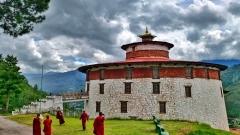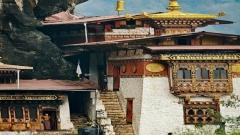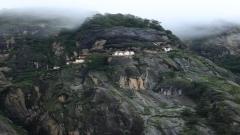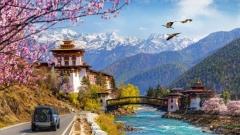

Bhutan is a destination where the season can significantly change the way you experience the country. From rhododendron-covered mountain slopes in spring and lush green valleys during the summer monsoon to crystal-clear Himalayan views in autumn and peaceful winter landscapes, each season offers something different. For international travellers planning a Bhutan holiday, choosing when to go is therefore about more than simply finding the warmest or driest weather.
In general, spring and autumn are considered the most popular seasons for travelling to Bhutan, particularly for first-time visitors. These months combine comfortable weather, good visibility, cultural festivals and favourable conditions for sightseeing and hiking. Summer is wetter but brings exceptionally green landscapes and fewer visitors, while winter offers clear mountain views, quiet monasteries and excellent opportunities for birdwatching.
Key Takeaways
- Spring (March–May): Best for flowers, hiking, festivals and first-time visitors.
- Summer (June–August): Lush green valleys, fewer tourists and better value.
- Autumn (September–November): Clear skies, Himalayan views, festivals and photography.
- Winter (December–February): Peaceful landscapes, birdwatching and crisp mountain views.
- Choose by travel purpose: Spring and autumn suit first-time visitors, winter is ideal for birdwatching, and summer or winter is better for avoiding crowds.
Bhutan Spring: March To May For Flowers, Festivals And First-Time Visitors
Spring is one of the most attractive times to visit Bhutan. As winter gradually gives way to warmer weather, the valleys become greener and mountain forests begin to bloom. Daytime conditions are generally comfortable for sightseeing and outdoor activities, although mornings and evenings can still be cool, particularly at higher elevations.
One of the highlights of spring is Bhutan’s spectacular rhododendron season. From late March, rhododendrons begin blooming at different elevations, adding shades of pink, red and white to the mountain forests. This makes spring particularly appealing to photographers, nature lovers and travellers who enjoy walking through forests and scenic valleys.
May brings another colourful attraction around Punakha, when jacaranda trees can create striking purple scenery around the valley and traditional architecture. The exact flowering period can vary slightly from year to year depending on weather conditions, so travellers who specifically want to see the blossoms should allow some flexibility.
Spring is also an important festival season. The Paro Tshechu is among Bhutan’s best-known religious festivals, attracting local communities and visitors for several days of masked dances, traditional performances and religious ceremonies. If attending a festival is an important part of your trip, check the exact annual dates before booking flights and accommodation.
The season is also suitable for experiencing Bhutanese cuisine, with fresh seasonal vegetables, bamboo shoots, ferns and other local ingredients appearing on menus. Around Punakha, travellers may also consider gentle river activities when water and weather conditions are suitable.
Best for: First-time visitors, families, honeymooners, photographers, nature lovers, cultural travellers and moderate hikers.
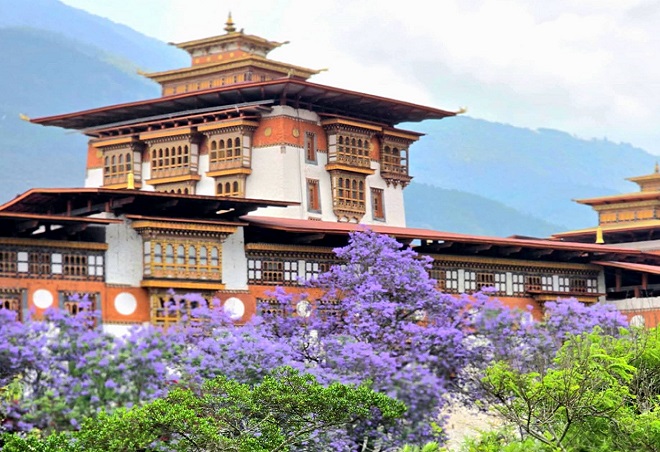
Jacaranda Trees
Bhutan Summer: June To August For Lush Landscapes And Fewer Tourists
June to August is Bhutan’s monsoon season. Rainfall can be significant, and conditions vary between valleys and mountain areas. Travellers should not assume that it will rain continuously throughout the day, but they should be prepared for sudden showers, cloud, wet roads and possible changes to outdoor activities.
The reward is some of the country’s richest greenery. Forests, rice fields and mountain valleys become intensely green, while clouds and mist move through the hills to create a completely different atmosphere from the clear skies of autumn.
Summer can also be an interesting season for travellers interested in local food and traditional lifestyles. July and August are associated with the Himalayan mushroom season, including matsutake, and some travel experiences may include opportunities to learn about local harvesting and cuisine.
The Himalayan blue poppy, Bhutan’s national flower, can also be found flowering in higher-altitude areas during the summer months. Seeing these delicate flowers may require travelling to remote alpine areas and should be planned with a knowledgeable local guide.
Because summer is outside the main peak travel period, it can be attractive to visitors who prefer quieter sightseeing and potentially better value. However, heavy rain can affect mountain roads and trekking routes. Travellers planning long hikes, camping or journeys through remote areas should keep their itinerary flexible.
Best for: Nature lovers, food enthusiasts, wellness travellers, budget-conscious visitors and those who prefer fewer tourists.
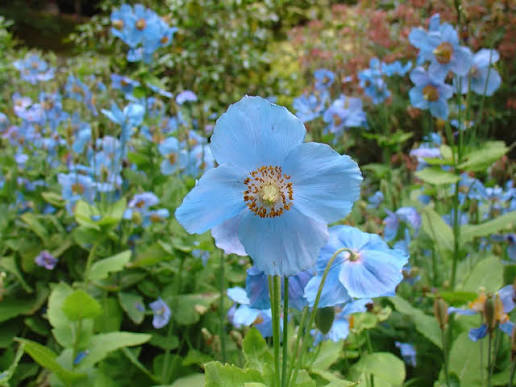
The Himalayan Blue Poppy – Bhutan’s National fFower
Bhutan Autumn: September To November For Clear Skies And Himalayan Views
Autumn is widely regarded as one of the best times to visit Bhutan. After the monsoon season, the weather generally becomes drier and the skies clearer. Visibility across the mountains can be excellent, making this a particularly rewarding season for photography and Himalayan sightseeing.
The combination of comfortable daytime temperatures and clear mountain scenery makes autumn especially popular with international visitors. At higher elevations, temperatures can drop quickly after sunset, so warm layers are recommended, particularly from October onward.
Autumn is also an important season for Bhutanese culture. The Thimphu Tshechu is one of the country’s major festivals and usually takes place around September or October. Visitors can see traditional masked dances, religious ceremonies and local communities dressed in traditional clothing.
For photographers, the season offers more than mountain views. In October, agricultural valleys take on golden colours as rice fields mature and farmers harvest their crops. Traditional villages, monasteries and terraced fields create excellent opportunities for cultural and landscape photography.
November can bring particularly beautiful autumn colours in higher valleys and along roads leading towards central Bhutan. Forests gradually change from green to shades of yellow, orange and red, creating a striking contrast with traditional dzongs and mountain scenery.
Autumn is also an excellent season for hiking. Trails such as the route to Tiger’s Nest Monastery are generally more comfortable in dry weather, while experienced trekkers can consider longer high-altitude routes when conditions permit. Even during the ideal trekking season, however, mountain weather can change quickly and routes should be planned according to current conditions and personal fitness.
Best for: Cultural travellers, photographers, honeymooners, hikers, first-time visitors and travellers looking for a well-rounded Bhutan experience.
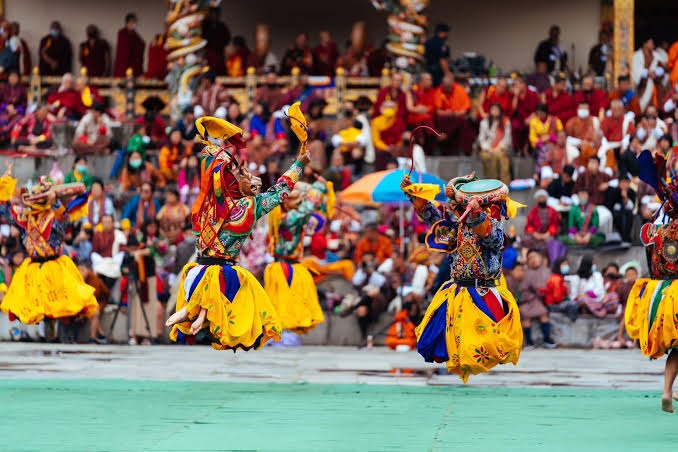
Thimphu Tshechu Festival
Bhutan Winter: December To February For Quiet Landscapes And Wildlife
Winter brings dry weather, cold temperatures and exceptionally clear air to many parts of Bhutan. While mornings and evenings can be very cold, especially at higher elevations, sunny afternoons in the valleys can remain pleasant for sightseeing.
One of the most distinctive winter experiences is birdwatching. From around November through March, endangered black-necked cranes spend the winter in Phobjikha Valley. Travellers interested in wildlife can visit the valley with a knowledgeable guide and observe these remarkable birds while learning about their seasonal migration.
Winter is also an excellent time for travellers who want to experience Bhutan without the atmosphere of the main tourist season. Popular cultural sites can feel quieter, allowing visitors to spend more time exploring monasteries, dzongs, villages and local markets.
Higher valleys such as Bumthang and Phobjikha may occasionally receive snow during winter. Snow-covered landscapes combined with traditional monasteries, prayer flags and mountain scenery create a peaceful side of Bhutan that is very different from the colourful spring and green summer landscapes.
Some high mountain roads can be affected by snow or freezing conditions, so winter itineraries should not be planned too tightly. Travellers should confirm road conditions and allow additional time for mountain journeys.
Best for: Birdwatchers, wildlife photographers, winter photographers, cultural travellers, luxury travellers and visitors who prefer peace and quiet.
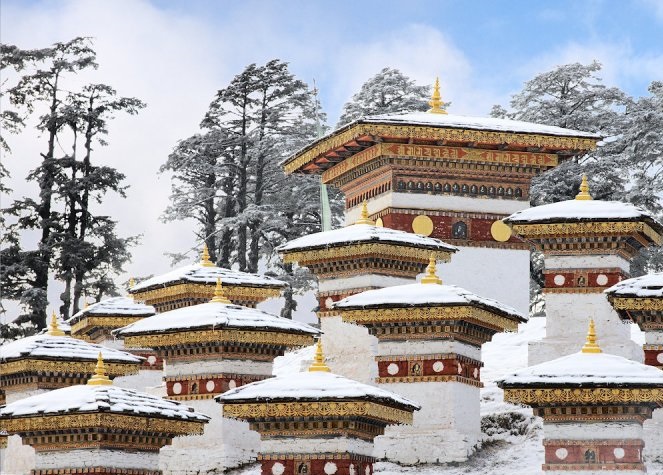
Bhutan Winter
How To Choose The Best Season For Your Bhutan Trip
There is no single best month for everyone. The right season depends on what you want to see and how you want to travel.
For a first trip to Bhutan, spring and autumn are generally the easiest choices. Spring combines comfortable weather, flowers and cultural festivals, while autumn offers clearer mountain views and excellent sightseeing conditions.
For a honeymoon, spring can provide colourful flowers and a romantic valley atmosphere, while autumn is ideal for couples who prioritise clear skies, mountain scenery and outdoor experiences.
For a cultural journey, autumn is particularly appealing because of major festivals such as Thimphu Tshechu. Travellers who want to experience Bhutanese religious traditions should check festival dates carefully because they vary from year to year.
For trekking, autumn is usually the strongest choice because of drier weather and good visibility. Spring is also attractive for lower-altitude hiking, particularly when rhododendrons are in bloom.
For wildlife and birdwatching, winter is the clear choice for visitors hoping to see black-necked cranes in Phobjikha Valley.
For photography, each season offers a different subject. Spring is ideal for flowers, autumn for mountains and festivals, summer for dramatic green landscapes and winter for clear Himalayan scenery and wildlife.
For travellers trying to avoid crowds, summer and winter are worth considering. You may encounter fewer visitors at major attractions, although weather and road conditions require more flexibility.
Bhutan Travel Seasons At A Glance
| Season And Months | Weather | Travel Experiences |
|---|---|---|
| Spring (March–May) | Mild and relatively dry, around 5–23°C | Flowers, festivals, hiking and cultural sightseeing |
| Summer (June–August) | Warm and humid, around 15–25°C, with monsoon rainfall | Lush valleys, local food, wellness experiences and fewer tourists |
| Autumn (September–November) | Dry and clear, around 8–22°C | Himalayan views, festivals, photography and hiking |
| Winter (December–February) | Cold and dry, around -2–15°C | Birdwatching, quiet valleys, winter scenery and cultural travel |
The temperatures above are general ranges for popular central areas such as Paro and Thimphu. Actual conditions can vary considerably depending on altitude, location, wind and weather. Mountain passes and high-altitude valleys can be much colder than the figures shown above, even during spring and autumn.
Bhutan Peak And Off-Peak Travel Seasons
Spring and autumn are generally the busiest periods because of their favourable weather and major festivals. Popular hotels, flights and well-located accommodations can become more difficult to secure during major festival periods, so early planning is recommended.
Summer and winter are quieter. Rainfall makes summer less predictable, while winter brings colder temperatures and possible restrictions on some high-altitude routes. However, these seasons can provide a more peaceful experience and allow travellers to see a different side of Bhutan.
Rather than choosing a season simply because it is considered “peak” or “off-peak,” consider what matters most to you. A traveller interested in festivals may find spring or autumn much more rewarding, while someone who prefers quiet landscapes may enjoy winter more.
What To Pack For Different Seasons In Bhutan
Because Bhutan’s altitude varies significantly, packing should be based on layers rather than simply the average temperature.
For spring and autumn, bring comfortable walking shoes, light layers, a warm jacket and protection from the sun. If you plan to visit higher mountain areas, add warmer clothing.
For summer, waterproof outerwear is particularly important. Comfortable shoes with good grip are useful for wet paths, while quick-drying clothing can make the journey more comfortable.
For winter, bring a warm down jacket, thermal layers, gloves, a hat and suitable footwear. Even when daytime temperatures feel comfortable, mornings and evenings can be very cold.
Regardless of the season, sun protection is important in Bhutan because of the country’s elevation. Sunglasses, sunscreen and a reusable water bottle are useful additions to your luggage.
Planning Your Bhutan Trip With China Dragon Travel
Choosing the right season is only the first step. The final travel experience also depends on how well your itinerary matches the weather, road conditions, accommodation and activities available during that period.
China Dragon Travel can help international travellers plan Bhutan journeys around their preferred travel dates and interests, whether the priority is cultural festivals, Himalayan scenery, hiking, wildlife, photography, food or a more relaxed private holiday.
An experienced local travel team can also help coordinate transportation, accommodation, visa arrangements, the Sustainable Development Fee, English-speaking guide services and changes caused by weather or road conditions. This can be especially useful for travellers visiting Bhutan for the first time or combining several valleys in one trip.
A private or customised itinerary can be particularly valuable because the pace can be adjusted according to your interests and physical condition. Instead of trying to see everything regardless of the season, the itinerary can be designed around what is realistically most rewarding at the time of your visit.
Final Thoughts: When Is The Best Time To Visit Bhutan?
Bhutan does not have one universally perfect travel season. Spring is ideal for flowers, festivals and first-time visitors; summer reveals the country’s lushest landscapes and quieter side; autumn offers some of the best conditions for Himalayan views, cultural festivals and hiking; and winter provides peaceful valleys, clear mountain scenery and exceptional birdwatching opportunities.
If you want the most balanced experience on your first visit, spring or autumn is usually the safest choice. However, travellers who value wildlife, photography, lower visitor numbers or a slower pace may find that summer or winter is actually a better match.
The most important question is therefore not simply “When is the best time to visit Bhutan?” but “What do I most want to experience in Bhutan?” Once you answer that question, choosing the right season becomes much easier. China Dragon Travel can help match your travel dates and interests with a practical Bhutan itinerary, giving you a better chance to experience the country at its best.
Frequently Asked Questions About Best Time To Visit Bhutan
What Is The Best Month To Visit Bhutan?
March to May and September to November are generally the most popular periods. Spring is ideal for flowers, festivals and comfortable outdoor activities, while autumn is particularly good for clear Himalayan views, cultural experiences and photography.
Is Bhutan Worth Visiting During The Monsoon Season?
Yes. June to August brings more rainfall, but Bhutan’s valleys become exceptionally green and visitor numbers are generally lower. Summer can be a good choice for travellers who prefer a quieter experience and do not plan extensive high-altitude trekking.
What Is The Best Season For Hiking In Bhutan?
Autumn is generally the best season for trekking because of its drier weather and good visibility. Spring is also excellent for lower-altitude walks, especially for travellers interested in rhododendrons and other mountain flowers.
When Can I See Black-Necked Cranes In Bhutan?
Black-necked cranes generally spend the winter months in Phobjikha Valley, with the main viewing period running from around November to March. A local guide can help visitors observe them responsibly without disturbing the birds.
What Is The Best Season To Avoid Crowds In Bhutan?
Summer and winter are generally quieter than the spring and autumn peak periods. Summer offers lush landscapes and fewer visitors, while winter combines low visitor numbers with clear skies and peaceful cultural experiences.