Taking a train to Tibet is more than a way to reach Lhasa: it is a gradual journey across the high plateau, with changing landscapes and a chance to adjust to altitude along the way. The most practical route for many travelers is the Xining–Lhasa section, but trains to Lhasa also connect with major cities such as Beijing, Shanghai, Chengdu, Chongqing, Guangzhou, and Xi’an. These longer services generally travel through Xining before crossing the Qinghai–Tibet Railway toward Tibet. The right departure city depends on your available time, where you are starting in China, and whether you value a shorter ride or a longer overland experience. This guide explains the main route options, why Xining is the key gateway, how to choose a departure city, and what to prepare before booking. It also covers practical considerations for altitude, tickets, and travel documents so you can plan the rail journey with realistic expectations.
Key Points
- Lhasa is connected by train with several major mainland cities, including Beijing, Shanghai, Chengdu, Chongqing, Guangzhou, and Xi’an.
- Most long-distance services to Lhasa pass through Xining and then use the Qinghai–Tibet Railway.
- The Xining–Lhasa section is the most recommended choice for travelers seeking a shorter, practical rail journey into Tibet.
- Longer direct services can be more convenient if you are already in a departure city or want to spend more time on the train.
- Check current train schedules, ticket availability, and Tibet travel-document requirements before finalizing your plans.
Which Cities Have Trains to Lhasa?
Lhasa is linked to the national railway network by the Qinghai–Tibet Railway, whose plateau section begins at Xining in Qinghai Province. Trains running from other parts of China reach Xining first and then continue west toward Golmud and Lhasa. Depending on the timetable and operating arrangements, passengers can board services from several major cities.
Common mainland departure cities include:
- Beijing: A long-distance option for travelers beginning in the capital. The journey takes substantially longer than boarding at Xining, but it can suit an itinerary that includes Beijing or a preference for an extended train ride.
- Shanghai: A possible departure point for travelers in eastern China. This is a lengthy journey, so consider whether the convenience of boarding near your starting point outweighs the extra time on board.
- Chengdu: A familiar southwestern starting point for many visitors. The train continues north and west to connect with the plateau line; check the current timetable for operating days and journey details.
- Chongqing: Another departure option in southwest China. Like Chengdu, it offers a longer rail itinerary rather than a short transfer directly into the high plateau.
- Guangzhou: A long route from southern China, generally suited to travelers who have enough time for a multi-day rail journey or who are already visiting the city.
- Xi’an: A useful departure city for some itineraries through northwestern China, although the full trip to Lhasa remains considerably longer than the Xining section.
These are established route patterns, but train services and timetables can change. Not every city necessarily has a train every day, and a service shown in one season may not be available on the dates you want. Use the official railway booking system or a reliable ticketing service to confirm the current departure, train number, operating date, connection details, and arrival time.
A departure city is not always the same thing as a separate railway route into Tibet. Many passengers board a through train in a large city and stay aboard as it passes through Xining. Others travel to Xining by a separate train, flight, or other transport and begin the plateau segment there. In either case, the stretch from Xining to Lhasa is the part that follows the Qinghai–Tibet Railway across the high-altitude region.
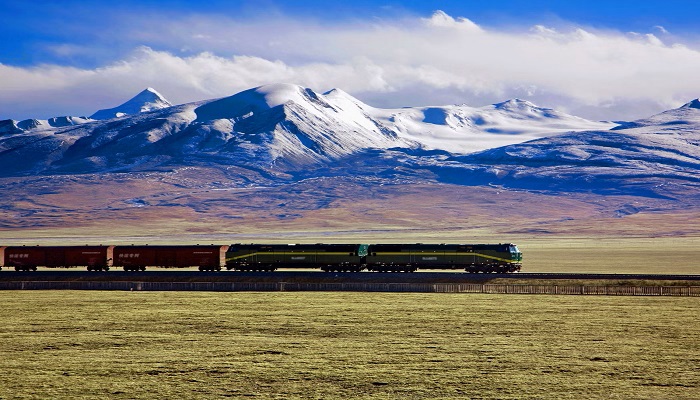
Xining → Lhasa by Train
Why the Xining–Lhasa Section Is Most Recommended
For travelers whose main goal is to experience the railway into Tibet without spending several days on a train, the Xining–Lhasa section is often the most balanced choice. Xining is the principal rail gateway to the plateau line, and boarding there avoids the long approach from cities farther east, south, or north. You still travel over the celebrated high-altitude railway, but you can keep the journey more manageable and build the rest of your itinerary around time in Lhasa and elsewhere in Tibet.
The ride from Xining to Lhasa is roughly 1,900 kilometers and usually takes around 20 to 22 hours, although actual journey times depend on the train and schedule. It is long enough to experience a major change in scenery, yet shorter than taking a through train from Beijing, Shanghai, Guangzhou, or another distant city. Travelers can watch the landscape shift from the surroundings of Qinghai toward broad open plateau, mountain ranges, and high-altitude terrain. The precise views vary with weather, season, daylight, and the side of the train.
Xining is also a practical point to include in a broader itinerary. Visitors can arrive there from other Chinese cities and spend time in the region before boarding the train. This may help make the transition to altitude more gradual, though it does not guarantee that altitude symptoms will be avoided. Xining itself is at a high elevation, and Lhasa is higher still, so travelers should take acclimatization seriously whichever route they choose.
The Xining–Lhasa section is not automatically best for everyone. A through train from a city where you are already staying can simplify transfers, and some travelers enjoy the slower pace of a long rail journey. If you have limited time, however, taking a train all the way from a distant city can use up a large portion of your trip. Compare the full door-to-door travel time, not just the advertised train duration: reaching Xining, waiting for departure, and onward transfers all matter.
What to Expect Between Xining and Lhasa
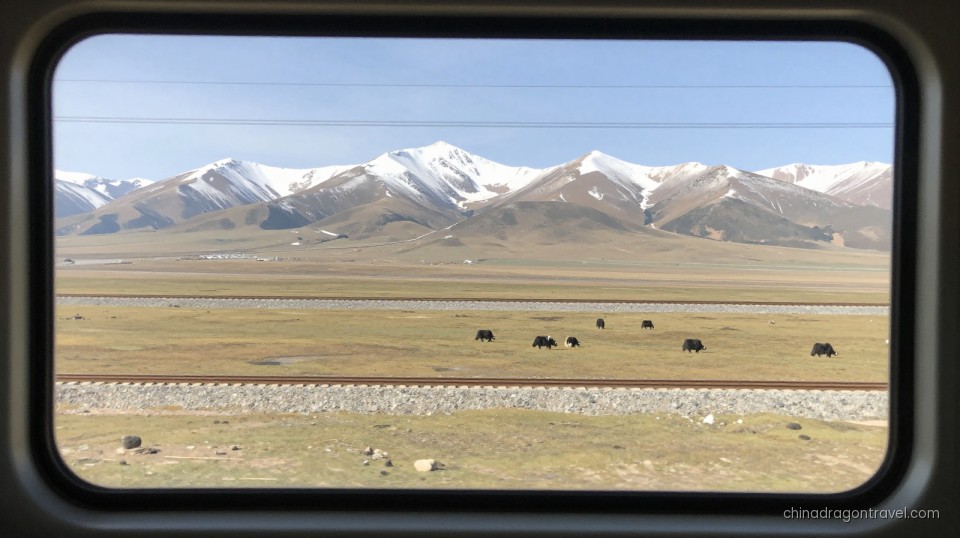
The Qinghai–Tibet Railway crosses a vast and sparsely populated region. On the Xining–Lhasa section, the journey passes through Qinghai and onward into the Tibet Autonomous Region, with long stretches of elevated terrain. Depending on the train and route details, travelers may see grasslands, rivers, snow-covered peaks, settlements, and open plateau scenery from their windows. These are genuine travel highlights, but visibility is never guaranteed; cloud, snow, haze, darkness, and the season can all affect what you see.
The train is designed for high-altitude operation and includes oxygen-related facilities. Equipment and passenger arrangements can vary by train, so do not treat onboard facilities as a substitute for medical advice or personal preparation. If you have a medical condition, a history of altitude illness, or concerns about traveling at elevation, speak with a healthcare professional before the trip. Seek help from train staff if you feel unwell during the ride.
At altitude, some people experience headache, fatigue, dizziness, shortness of breath, nausea, or difficulty sleeping. Symptoms can occur even in travelers who are fit. Take it easy after arrival, drink fluids according to your needs, avoid strenuous activity during the initial adjustment period, and do not ignore worsening symptoms. Anyone experiencing severe or rapidly deteriorating symptoms should seek medical assistance promptly.
For a more comfortable journey, bring layers that are easy to add or remove, since temperatures and comfort levels can change. Keep medication, travel documents, valuables, a water bottle, and basic toiletries where you can reach them. A sleep mask and earplugs may help on a shared sleeper carriage. Pack snacks you know you can eat, but remember that catering options and stock can vary. Keep your luggage organized so you do not need to unpack everything in a narrow berth or shared compartment.
Choosing the Best Departure City
The best city to board from is the one that fits your schedule and starting point—not necessarily the one with the longest or most famous train service. Consider the following factors before booking.
Choose Xining for a Shorter Rail Journey
If you want the core plateau railway experience while limiting time on the train, Xining is usually the strongest choice. You can travel to Xining from elsewhere in China, then board for the journey to Lhasa. This option is especially appealing when you want to save several days for sightseeing, acclimatization, or other parts of your trip.
The trade-off is that you need to organize the journey to Xining separately unless your chosen train begins there or you board a through service at an earlier stop. Leave a sensible connection buffer if you are changing trains. A delayed arrival on one ticket may not automatically protect a separate onward booking, so avoid planning a tight same-day transfer where possible.
Choose a Through Train for Simpler Boarding
A through train from Beijing, Shanghai, Chengdu, Chongqing, Guangzhou, or Xi’an can be convenient when you are already in that city and the service operates on your travel date. You board once and remain on the train through Xining. For some passengers, that is simpler than coordinating a separate transfer.
The main compromise is time. A long-distance train to Lhasa may take far longer than the Xining–Lhasa section alone. Sleeper accommodation can make a multi-day journey more comfortable, but it does not remove the time commitment. Check the total duration, arrival time, and class of berth before deciding.
Match the Route to Your China Itinerary
If your trip already includes Beijing, a Beijing departure may make sense. If you plan to visit Chengdu or Chongqing, compare a local boarding option with traveling to Xining first. For visitors coming from southern or eastern China, flying or taking a separate train to Xining and continuing by rail may be more time-efficient than staying on a through train from Guangzhou or Shanghai. The best choice depends on your priorities, not on a single universal ranking.
Think about how you will arrive at the station, whether you need a hotel before departure, and how much flexibility your schedule allows. Keep the arrival day relatively light if possible. After a long journey, especially one involving a rapid change in elevation, a packed sightseeing plan can be uncomfortable.
Booking Train Tickets to Tibet
Train tickets to Lhasa can be in high demand, particularly during popular travel periods. Availability depends on the date, route, and ticket-release rules in effect when you book. Plan early, but confirm the applicable booking window rather than relying on a fixed number of days that may become outdated. Train schedules, ticketing arrangements, and available services can change.
When comparing tickets, check the exact departure and arrival stations, the full route, the train number, the travel date, and the berth type. Sleepers are typically a better choice than a seat for an overnight or multi-day journey, but lower berths and preferred compartments may sell out sooner. A soft sleeper generally offers more privacy than a hard sleeper, while hard sleepers can be a more economical option. The exact carriage layout and availability depend on the train.
Use the passenger name and identity-document details exactly as they appear on the document used for booking. International visitors should verify which passport details and booking procedures apply through the official railway channel or the service handling their ticket. Keep the passport used for the reservation accessible at the station, since identity checks may be required.
Do not buy a ticket based only on an old timetable, a screenshot, or a social media post. Confirm whether the service operates on your chosen date and whether the train runs directly to Lhasa. If booking separately to Xining, allow enough time between the two journeys and consider an overnight stay if a missed connection would disrupt your plans.
Tibet Travel Documents and Entry Planning
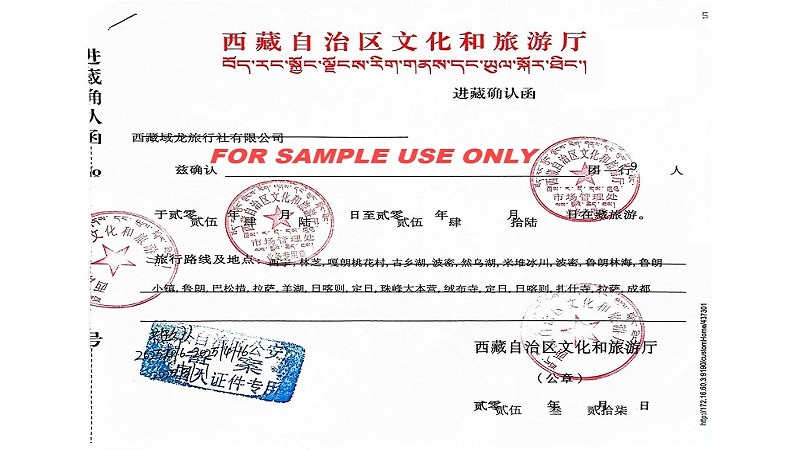
Train tickets are only one part of the arrangements for a trip to Tibet. Foreign travelers generally need to arrange the required Tibet travel permit through an authorized Tibet travel agency, and travel within the region may require additional documentation or arrangements depending on the itinerary and current rules. Requirements can differ by nationality, destination, and travel plan, so confirm them before making nonrefundable bookings.
The relevant documents may be checked before boarding or during travel. Coordinate your ticket, permit, tour arrangements, and identification details with the agency handling your Tibet itinerary. Do not assume that holding a train ticket by itself gives permission to enter Tibet. Likewise, do not rely on an unofficial claim that a particular document is no longer needed without verifying the rule for your circumstances.
China Dragon Travel can assist travelers with Tibet itinerary planning and related arrangements, including coordinating a train-based visit with the required travel services. If you use an agency, ask clearly which permits and bookings it handles, what information you must provide, how documents will be delivered or collected, and what happens if your train schedule changes. Confirm the scope of service and costs in writing before paying.
China Dragon Travel – Tibet Travel Permit
Train or Flight: Which Works Better?
The train is a good fit if you value the overland experience, want to see the plateau from the railway, or prefer to reach Lhasa without flying. Boarding at Xining keeps the rail journey focused on the high-altitude section. A through train can also be appealing if the journey itself is part of your vacation and you have time to spare.
Flying is usually faster for travelers with a tight schedule or those arriving from far away. It can also make it easier to connect with a short itinerary. However, a flight does not provide the same gradual overland transition, and arriving quickly at high elevation can be demanding for some people. Neither mode guarantees freedom from altitude-related problems. Make your decision based on health, time, budget, and personal preference, and discuss medical concerns with a qualified professional.
Some travelers combine transport modes, for example flying to a city near the rail gateway and taking the train onward, or using a train in one direction and a flight in the other. This can reduce travel time while preserving part of the railway experience. Before choosing a mixed itinerary, compare station and airport locations, baggage arrangements, ticket conditions, and the risk of separate-ticket connections.
Practical Tips for a Smoother Journey
- Keep your documents close: Carry the passport used for your booking and the required Tibet travel documents where they are easy to access.
- Pack for changing conditions: Bring comfortable layers, personal medication, a charger, tissues, and a small supply of familiar snacks.
- Plan a gentle first day: Avoid scheduling strenuous activities immediately after arriving in Lhasa. Allow time to rest and monitor how you feel.
- Respect altitude symptoms: Do not dismiss worsening headache, breathlessness, confusion, or severe nausea. Contact train staff or seek medical help when needed.
- Use realistic connection times: A separate ticket to Xining and a ticket onward to Lhasa may not be protected as one journey. Allow room for delays.
- Check the details again: Reconfirm departure times, station names, document requirements, and ticket instructions close to travel.
- Choose a berth with comfort in mind: For a long ride, consider whether sleep, privacy, budget, or availability matters most to you.
Frequently Asked Questions
Is the Xining–Lhasa Section the Best Route for Everyone?
No. It is often the most practical choice for travelers who want the plateau railway experience without spending several days traveling from a distant city. A through train may be more convenient if you are already in its departure city, have ample time, or prefer to stay aboard rather than transfer in Xining.
How Long Does the Train Take From Xining to Lhasa?
The journey is roughly 20 to 22 hours on many services, but the exact duration depends on the train and timetable. Confirm the current schedule for your travel date before booking.
Can I Board a Train to Lhasa in Beijing or Shanghai?
Services connecting Lhasa with major cities such as Beijing and Shanghai have operated as through routes. Their availability and schedules can vary, so check the current railway timetable for your chosen date. These journeys are much longer than boarding at Xining.
Should I Take a Sleeper?
For an overnight or longer journey, a sleeper is generally more comfortable than sitting for the entire trip. The choice between sleeper classes depends on budget, privacy, and availability. Review the specific ticket details rather than assuming every train has the same arrangement.
Does Taking the Train Prevent Altitude Sickness?
No. A rail journey may provide a gradual route into the plateau compared with arriving by air, but it does not guarantee protection from altitude illness. People respond differently, and symptoms can develop during or after travel. Prepare carefully and seek medical advice if you have health concerns.
Do Foreign Visitors Need a Tibet Permit to Take the Train?
Foreign visitors generally need the required Tibet travel permit arranged through an authorized agency. Document checks and requirements can depend on the traveler and itinerary. Verify the current rules with the agency managing your Tibet travel before booking or departure.
What Is the Most Practical Overall Plan?
For many travelers, the most balanced plan is to reach Xining, allow enough time for a comfortable connection, and take the Xining–Lhasa section to Tibet. Choose a longer through train instead if boarding in your current city is more convenient and you have time for the extended ride. In either case, coordinate tickets, permits, altitude preparation, and arrival plans before setting off.