
Bhutan is not an ordinary holiday destination. Hidden in the eastern Himalayas, this small kingdom offers a rare combination of dramatic mountain scenery, living Buddhist traditions, peaceful villages, rich cultural heritage, and a slower way of life. Rather than focusing only on famous attractions, travelling in Bhutan is about experiencing a different relationship with time, nature, and happiness.
For international visitors, Bhutan can require more planning than many other Asian destinations. Flights are limited, travel arrangements often involve a licensed local operator, and the Sustainable Development Fee adds to the overall cost. However, these factors also help protect the country’s environment, culture, and distinctive atmosphere.
Here are 12 Bhutan travel experiences that make the journey worthwhile.
Key Points
- Tiger’s Nest Monastery is Bhutan’s most iconic experience, combining a scenic Himalayan hike with one of the country’s most important spiritual sites.
- Buddhist festivals offer a deeper cultural experience, with masked dances, traditional music, religious rituals, and colourful local gatherings.
- Bhutan’s dzongs, temples, and monasteries reveal its history, architecture, and continuing religious traditions.
- The country is ideal for nature lovers, with mountain trails, quiet valleys, forests, birdwatching areas, and remote Himalayan landscapes.
- A local travel company can make the journey easier, especially when arranging flights, accommodation, transport, guides, permits, and a balanced itinerary.
1. Experience Bhutan’s Unique Atmosphere
One of the first things visitors notice in Bhutan is its peaceful atmosphere. The country has developed at its own pace, preserving many traditions that have disappeared elsewhere. Modern facilities are available in the main towns, but daily life still reflects Buddhist values, close community relationships, and respect for nature.
Bhutan is also well known for measuring national progress through Gross National Happiness rather than focusing only on economic growth. This philosophy is reflected in the country’s approach to environmental protection, cultural preservation, community wellbeing, and sustainable development.
More than a simple sightseeing destination, Bhutan encourages visitors to slow down. A short walk through a village, a conversation with a local family, or a quiet moment beside a mountain monastery can become one of the most memorable parts of the trip.
Travellers should also understand that Bhutan is not a budget destination in the traditional sense. The Sustainable Development Fee, accommodation, transport, guide services, and limited flight options can make the trip more expensive than travelling in neighbouring countries. However, the overall experience is carefully managed and designed to support the country’s long-term development.
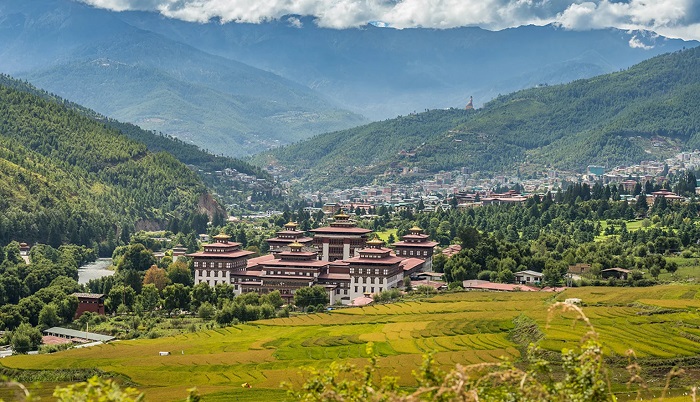
Bhutan Travel
2. Hike To Tiger’s Nest Monastery
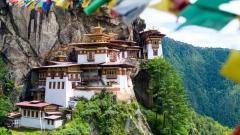
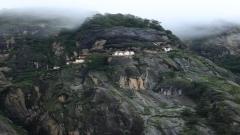
Tiger’s Nest Monastery, also known as Paro Taktsang, is the most famous attraction in Bhutan. Built on a dramatic cliff above the Paro Valley, the monastery is closely connected with the history of Guru Rinpoche, the Buddhist master believed to have introduced Buddhism to Bhutan.
The hike is one of the most rewarding experiences in the country. The trail climbs through pine forest, with prayer flags, mountain views, and several scenic resting points along the way. The monastery is located at approximately 3,120 metres above sea level, so the walk can be physically demanding, especially for visitors who are not accustomed to mountain terrain.
A typical round trip takes around six to eight hours, depending on fitness, weather, walking speed, and the amount of time spent at the monastery. Horses may be available for part of the uphill route, but visitors still need to walk the more difficult section to reach the main complex.
Photography is generally not allowed inside the monastery buildings. Visitors should dress respectfully, follow local instructions, and avoid treating the site as simply a photo opportunity. Starting early is recommended because the trail can become busy later in the morning and the weather may change during the day.
For many travellers, reaching Tiger’s Nest is not only a physical achievement but also a meaningful spiritual and cultural experience.
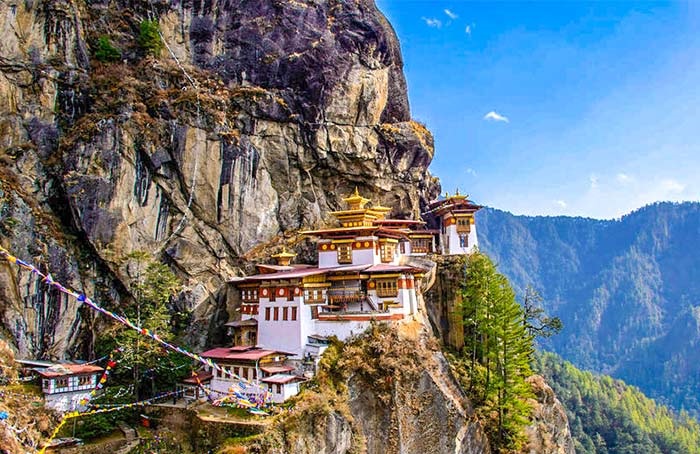
Tiger’s Nest Monastery
3. Attend A Traditional Buddhist Festival
Bhutan’s religious festivals, known as Tshechus, are among the most colourful cultural experiences in the Himalayas. These celebrations usually take place at monasteries and dzongs, where monks and local performers present masked dances, religious dramas, music, and traditional rituals.
The dances are not merely performances for tourists. They represent Buddhist teachings, stories of spiritual protection, and the struggle between good and evil. Local residents often attend in their finest traditional clothing, creating a lively atmosphere that combines religious devotion with community celebration.
The Paro Tshechu and Thimphu Tshechu are among the best-known festivals, but smaller celebrations take place in different valleys throughout the year. Other important events include the Punakha Tshechu, Jambay Lhakhang Drup, and the Royal Highland Festival.
Festival dates follow the Bhutanese lunar calendar and change each year. Travellers who want to attend a particular celebration should plan well in advance because accommodation and transport can become limited during these periods.
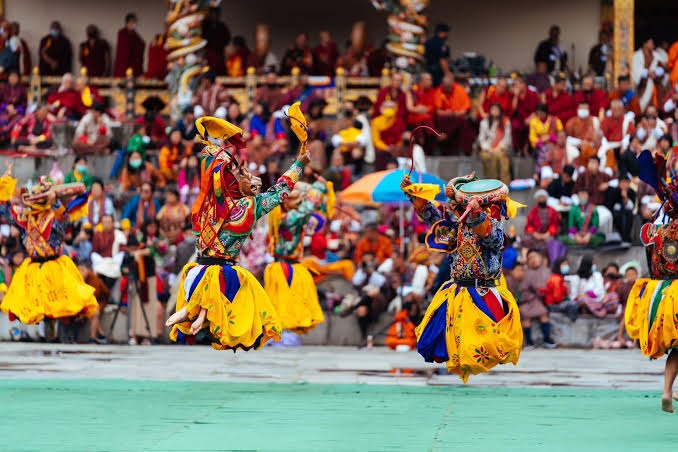
Thimphu Tshechu Festival
4. Discover Bhutan’s Dzongs And Traditional Architecture
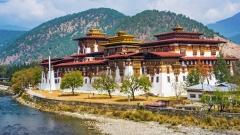
Dzongs are among the most distinctive architectural features of Bhutan. These large fortress-monasteries traditionally served both religious and administrative purposes. Their whitewashed walls, wooden details, courtyards, towers, and richly decorated interiors reflect Bhutan’s unique architectural heritage.
In Thimphu, Tashichho Dzong is an important centre of government and religion. In Paro, Rinpung Dzong overlooks the valley and provides beautiful views of the surrounding landscape. Punakha Dzong, located between two rivers, is one of the most impressive examples of Bhutanese architecture.
Other notable sites include Trongsa Dzong and Jakar Dzong in central Bhutan. Each dzong has its own history, location, and connection to the development of the kingdom.
Visiting these buildings with a knowledgeable guide can make the experience much more meaningful. Instead of seeing only the exterior, travellers can learn about Bhutanese religious symbols, traditional construction methods, local history, and the role of dzongs in modern Bhutan.
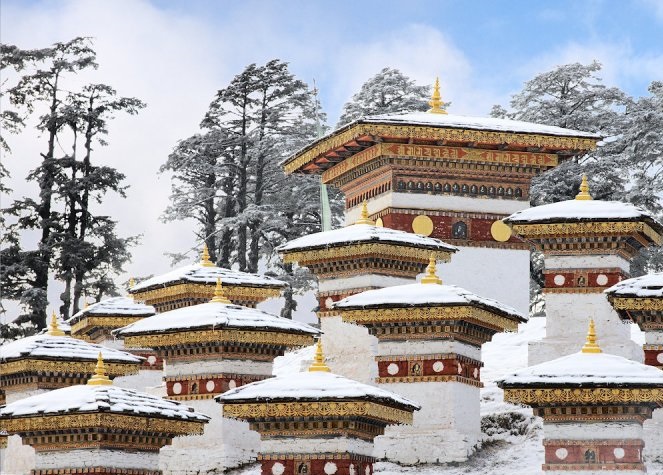
Bhutanese Dzongs in Winter
5. Explore Mountain Valleys And Hiking Trails
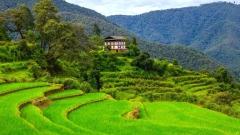
Bhutan is an excellent destination for travellers who enjoy nature and outdoor activities. The country contains forests, high mountain passes, alpine valleys, rivers, and remote villages, offering a wide range of landscapes within a relatively small area.
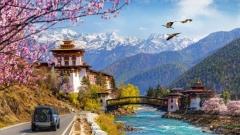
Dochula Pass is one of the most accessible scenic locations. On clear days, visitors may see snow-covered Himalayan peaks from the pass, which is also known for its collection of 108 chortens.
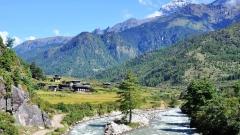
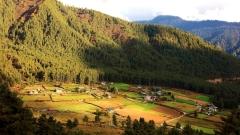
Phobjikha Valley is another important destination. The valley is famous for its peaceful scenery and the endangered black-necked cranes that arrive during the winter months. It is an excellent place for walking, birdwatching, and experiencing rural Bhutanese life.
Other worthwhile locations include Haa Valley, Khamsum Yulley Namgyal Chorten, and the valleys around Bumthang. Travellers interested in longer treks can consider routes such as the Druk Path Trek, Jhomolhari Trek, Laya–Gasa Trek, or the challenging Snowman Trek.
Long-distance trekking requires careful preparation, suitable equipment, good physical fitness, and professional local support. Weather conditions can change quickly, and many trails pass through remote areas. A licensed guide and reliable travel operator are especially important for multi-day mountain routes.
Bhutan also offers activities such as rafting, kayaking, mountain biking, and nature walks, although availability depends on the season and location.
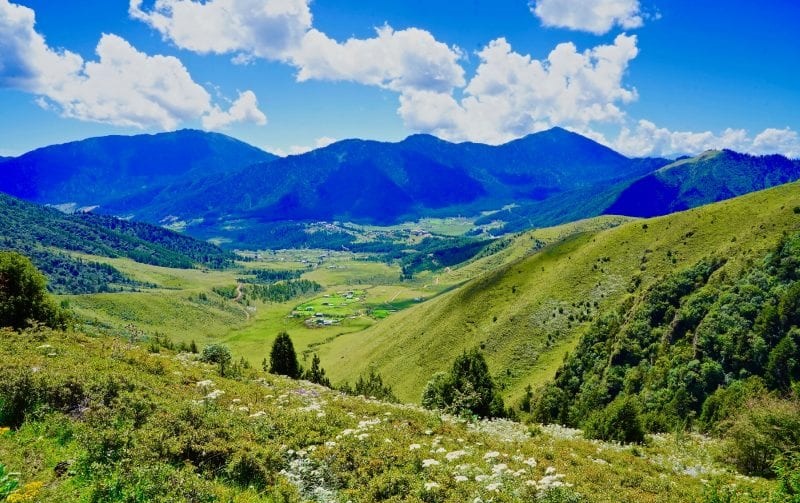
Gangtey Valley
6. Visit Buddhist Temples And Sacred Sites
Buddhism is central to Bhutanese culture, and religious sites can be found throughout the country. Many temples are connected with important historical figures, local legends, or events in the development of Bhutanese Buddhism.
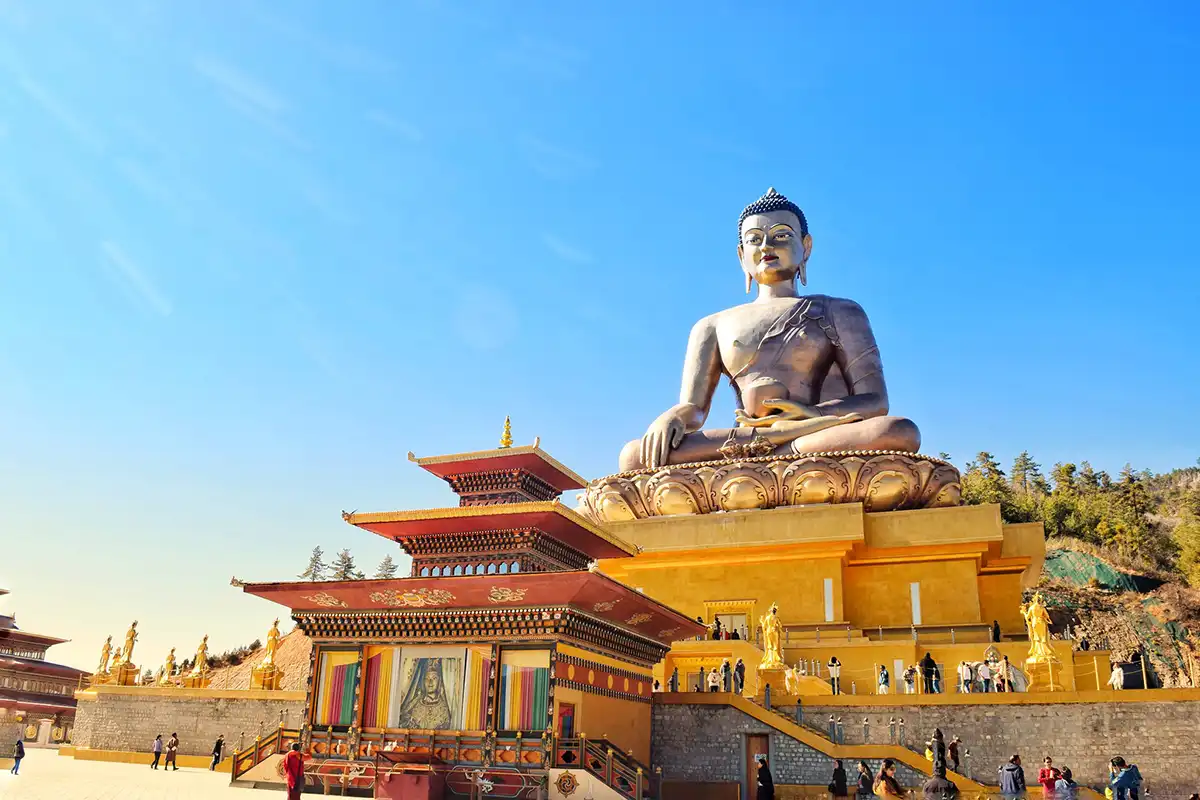
In Thimphu, the Buddha Dordenma statue offers impressive views over the capital. The National Memorial Chorten is a popular place for local residents to pray and walk around the monument.
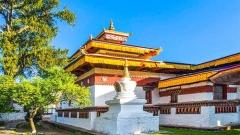
Kyichu Lhakhang in Paro is one of Bhutan’s oldest and most significant temples. Chimi Lhakhang near Punakha is associated with the “Divine Madman,” a colourful Buddhist saint known for his unconventional teachings.
The Bumthang region is particularly important for travellers interested in Buddhist history. Its temples and monasteries are linked with the arrival and spread of Buddhism across the country.
Visitors should remove their shoes when required, dress modestly, avoid loud conversations, and walk around religious structures in the appropriate direction. These small gestures show respect for Bhutan’s spiritual traditions.
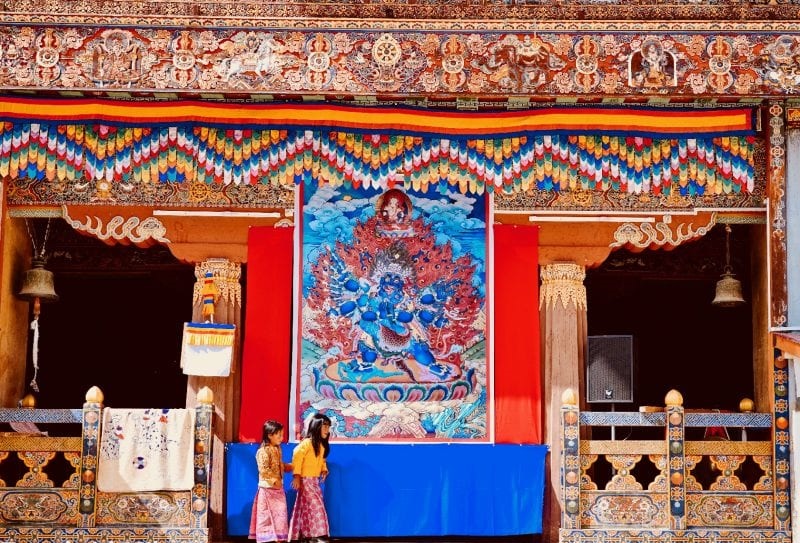
Gangtey Goemba
7. Taste Bhutanese Food
Bhutanese food is simple, hearty, and often spicy. Chillies are not treated merely as seasoning; they are an important part of many traditional dishes.
Ema Datshi, made with chillies and cheese, is one of the country’s best-known dishes. Depending on the recipe, it can be mild or extremely hot. Other popular foods include momo dumplings, red rice, Phaksha Paa, Shakam Paa, and Jasha Maru.
Visitors may also encounter Ezay, a spicy chilli-based accompaniment, as well as local cheeses such as Chogo. Traditional drinks include Suja, a butter tea, and Ara, a local alcoholic beverage.
Food preferences can usually be discussed with the guide and hotel in advance. Vegetarian travellers often find Bhutan relatively convenient because vegetables, rice, cheese, and lentils are widely available. Eating at a local farm or family-run restaurant can provide a more personal experience than dining only in hotels.
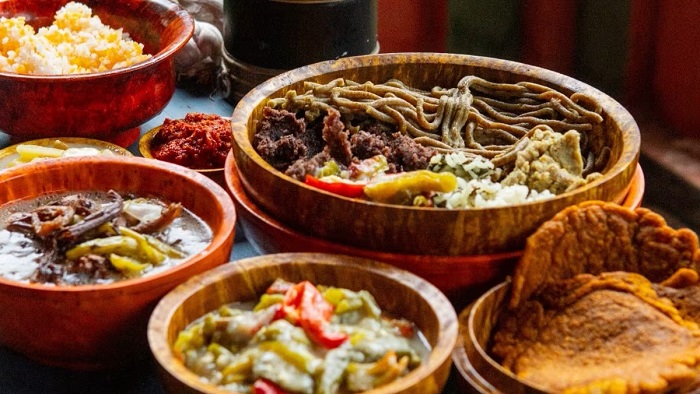
Bhutanese Cuisine
8. Experience Traditional Bhutanese Life
Bhutan’s culture is not limited to temples and festivals. Traditional life remains visible in clothing, sports, architecture, markets, and community activities.
Men traditionally wear the gho, while women wear the kira. These garments are still commonly seen in schools, government offices, religious sites, and formal settings.
Archery is Bhutan’s national sport and is often played during festivals or village gatherings. Watching a local match can be a memorable way to see the social side of Bhutanese life.
Travellers can also visit markets, observe traditional handicrafts, try a hot-stone bath, or spend time in a rural village. These experiences offer a more realistic understanding of daily life beyond the main sightseeing attractions.
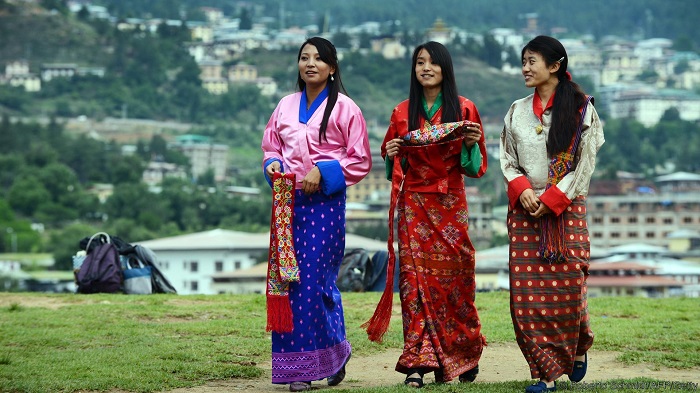
Kira
9. Collect Bhutanese Stamps And Local Souvenirs
Bhutan is well known for its distinctive postage stamps. Some feature religious imagery, traditional symbols, animals, or important national events. Collecting stamps can be an interesting souvenir for travellers who enjoy history and design.
Other popular souvenirs include handwoven textiles, prayer flags, wooden crafts, handmade paper, Buddhist paintings, traditional masks, and local products.
When buying religious objects, visitors should ask about their meaning and use. It is better to purchase from reputable shops or official craft centres and avoid buying antiques or cultural objects whose export may be restricted.
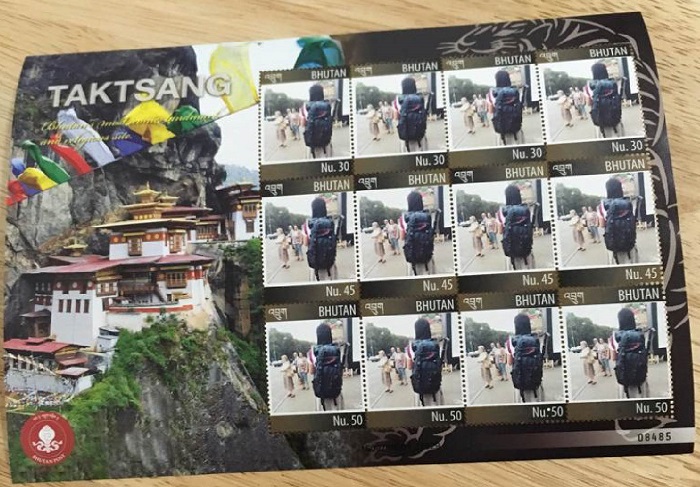
Bhutanese Stamps
10. Stay In Bhutanese Hotels And Luxury Lodges
Bhutan offers a wide range of accommodation, from comfortable local hotels and traditional guesthouses to high-end mountain lodges.
Luxury properties such as Amankora, Six Senses, and Zhiwa Ling are known for combining Bhutanese design with high-quality service. They may offer spa treatments, wellness experiences, private dining, and scenic locations.
However, accommodation standards can vary considerably between major towns and remote valleys. Some rural areas have fewer facilities, limited heating, or more basic transport access. Travellers should choose hotels according to their comfort expectations, route, and budget.
For a first visit, a balanced itinerary may combine comfortable hotels in Paro, Thimphu, and Punakha with more locally styled accommodation in quieter regions.
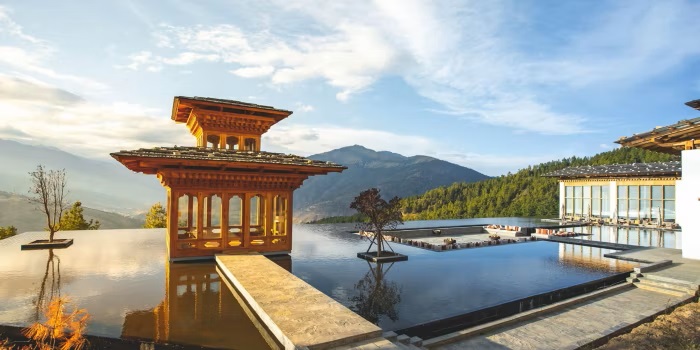
InterContinental Hotel in Bhutan
11. Discover Bhutan’s Connection With Happiness
Bhutan’s idea of happiness is one of the reasons the country attracts international visitors. The concept is not simply about being cheerful or avoiding modern development. It reflects an effort to balance material progress with mental wellbeing, cultural identity, environmental protection, and community life.
Visitors may notice this philosophy in the country’s quiet streets, protected forests, religious traditions, and slower daily rhythm. Bhutan does not offer the same type of experience as a busy city break or a resort holiday.
The journey may encourage travellers to spend less time checking their phones and more time observing their surroundings. A quiet morning in a mountain valley, a conversation with a guide, or a visit to a small temple can create a lasting impression.
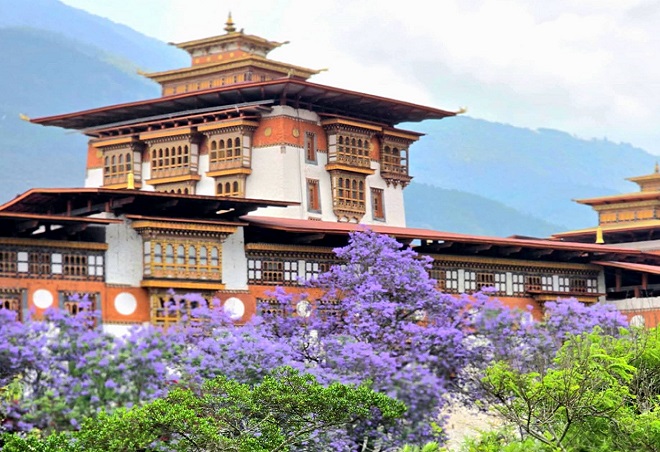
Jacaranda Trees
12. Meet The Warm And Welcoming Bhutanese People
The people of Bhutan are an important part of the travel experience. Many visitors remember the kindness of local guides, hotel staff, drivers, monks, and families long after returning home.
Bhutanese society is diverse, with different languages, regional traditions, and cultural practices. Travelling through several valleys allows visitors to see differences in architecture, food, clothing, and local customs.
A respectful attitude is essential. Asking permission before taking photographs, following temple rules, and showing interest in local traditions can help create more meaningful interactions.
The best travel experiences often happen when visitors remain curious and open-minded rather than rushing from one attraction to the next.
Planning A Bhutan Trip With China Dragon Travel
Bhutan is easier to experience when the itinerary is planned around your interests, travel pace, and preferred level of comfort. A short trip can focus on Paro, Thimphu, Punakha, and Tiger’s Nest Monastery, while a longer journey may include Phobjikha Valley, Bumthang, Haa Valley, or a trekking route.
China Dragon Travel can help international visitors arrange a Bhutan journey with practical support before and during the trip. Depending on the selected programme, services may include visa assistance, Sustainable Development Fee arrangements, accommodation, transportation, sightseeing, and an English-speaking guide.
A local travel team can also help manage flight schedules, mountain-road conditions, hotel changes, cultural visits, and adjustments caused by weather. This is particularly useful because Bhutan has limited air connections and many attractions are located in mountainous areas.
When comparing Bhutan tour companies, travellers should confirm what is included in the quotation, whether the guide speaks their preferred language, how transportation is arranged, and whether the itinerary allows enough time for rest and cultural experiences.
Why Bhutan Is Worth Visiting
Bhutan is worth visiting because it offers more than spectacular scenery. Its monasteries, festivals, mountain trails, traditional food, historic dzongs, and welcoming people create a travel experience that feels different from many other destinations in Asia.
The country may require a higher budget and more careful planning, but those arrangements help protect its environment and cultural identity. With a well-designed itinerary and reliable local support from China Dragon Travel, international visitors can explore Bhutan at a comfortable pace while gaining a deeper understanding of its traditions and way of life.
For travellers looking for a destination with culture, nature, spirituality, and a genuine sense of place, Bhutan can be one of the most rewarding journeys in the Himalayas.