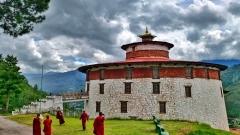

Bhutan is often considered a more expensive destination than many other countries in Asia, which naturally raises a question: is a trip here really worth the money? The answer depends on what you value in a journey. Bhutan offers dramatic Himalayan landscapes, centuries-old monasteries, distinctive architecture, and cultural traditions that remain part of everyday life. For many travelers, the experience goes beyond visiting famous landmarks. It is about discovering a country that has taken a distinctive approach to tourism, cultural preservation, and environmental protection. Understanding what you pay for can help you decide whether Bhutan deserves a place on your travel list.
Key Takeaways
- A Bhutan tour combines Himalayan scenery, Buddhist heritage, traditional architecture, and local cultural experiences.
- Tour costs may cover accommodation, transportation, meals, guiding services, and sightseeing arrangements, depending on the package.
- Bhutan’s tourism policies and Sustainable Development Fee can affect the overall cost of a visit.
- Bhutan is especially worthwhile for travelers who value culture, nature, and a slower pace over budget travel or nightlife.
- Comparing inclusions, itinerary quality, and travel style is more useful than judging a tour by its headline price alone.
Bhutan Offers More Than Beautiful Mountain Scenery
The Himalayas are one of Bhutan’s biggest attractions, but the experience is not limited to mountain views.
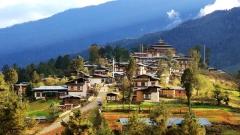
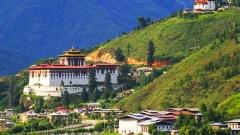
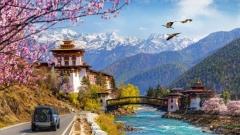
A journey through western Bhutan can take you from the traditional valley scenery of Paro to the capital city of Thimphu, then through mountain passes and into the greener river valleys around Punakha. Along the way, you can visit ancient temples, historic dzongs, traditional villages, and scenic viewpoints.
Each destination offers a different perspective on the country.
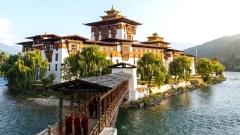
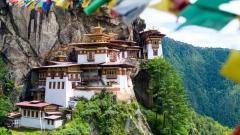
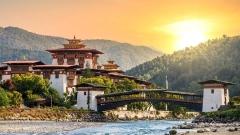
Paro is home to the famous Tiger’s Nest Monastery, perched dramatically on a cliff above the valley. Thimphu combines government institutions and modern urban life with Buddhist landmarks, traditional arts, and local markets. Punakha is known for its riverside dzong, fertile valleys, and rural landscapes.
The value lies in experiencing these contrasts within one journey. Instead of focusing on one type of scenery, you can combine mountains, architecture, village life, and cultural visits in a relatively compact itinerary.
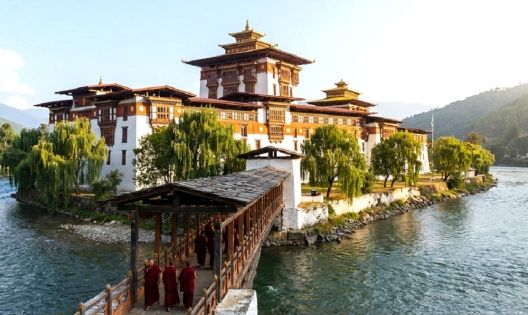
Punakha Dzong
Bhutan’s Cultural Heritage Is a Major Part of the Experience
One of the strongest reasons travelers choose Bhutan is its distinctive cultural identity.
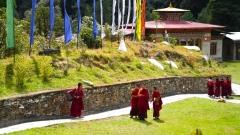
Buddhism has a visible role in the country’s religious and cultural life. Monasteries, prayer flags, chortens, prayer wheels, and religious festivals are not simply attractions created for visitors; many continue to serve local communities.
A visit to Punakha Dzong, for example, offers more than an impressive architectural photograph. The fortress-monastery has played an important role in Bhutanese history and remains a significant religious center.
Likewise, Kyichu Lhakhang in Paro is associated with the early spread of Buddhism in the Himalayan region, while Tashichho Dzong in Thimphu reflects the close relationship between religious institutions and the country’s government.
A knowledgeable local guide can help explain the stories, symbols, and customs behind these places. Without that context, some travelers may see only beautiful buildings rather than understanding why they matter.
For those interested in history, religion, and traditional architecture, this cultural depth can make the cost of a Bhutan trip feel more worthwhile.
Tiger’s Nest Alone Can Be a Memorable Experience
For many first-time visitors, Tiger’s Nest Monastery, also known as Taktshang, is the highlight of a Bhutan tour.
Built into a cliff high above the Paro Valley, the monastery is one of the country’s most recognizable landmarks. According to Bhutanese Buddhist tradition, Guru Rinpoche meditated at this sacred site after arriving on the back of a tigress.
Reaching Tiger’s Nest involves several hours of uphill walking, depending on your pace and how long you spend along the trail and at the monastery. The hike requires some preparation, but it also makes the arrival feel different from visiting a site that can be reached directly by vehicle.
The scenery changes as you climb, with forested slopes and views over the valley gradually opening up.
For travelers who enjoy cultural landmarks with a strong sense of place, Tiger’s Nest can be one of the most memorable parts of the trip. It is not the only reason to visit Bhutan, but it is an experience that many people remember long after returning home.
What Does the Cost of a Bhutan Tour Usually Include?
A tour price can look high at first glance, but the important question is what you actually receive for that amount.
The exact inclusions vary by operator and package, so it is worth checking the itinerary and quotation carefully.
- Accommodation: Many organized tours include hotel stays throughout the itinerary. The quality and location of accommodation can make a significant difference, particularly in destinations where choices are more limited or where you want to stay close to key attractions.
- Transportation: A tour may provide a private vehicle and driver for transfers between destinations and sightseeing stops. This can simplify travel along mountain roads and make it easier to combine several places in one day.
- Local guiding services: Some packages include a licensed local guide who explains the country’s history, religious traditions, and cultural customs. Other packages may provide a driver without a separate guide, so confirm which service is included.
- Meals: Some tours include daily meals, while others cover only selected meals or breakfast. Since restaurant availability and dining arrangements can vary by location, knowing what is included helps you compare prices more accurately.
- Sightseeing arrangements: A package may include entrance fees, planned visits, or assistance with reservations. However, these items are not universal inclusions, and some activities may require additional payment.
The best way to assess a quotation is to request a clear breakdown of accommodation, transportation, guide services, meals, entrance fees, and any government charges.
Understanding Bhutan’s Sustainable Development Fee
Bhutan’s tourism model is another factor to consider when evaluating trip costs.
The country has traditionally promoted a high-value, low-volume tourism approach, aiming to manage tourism’s impact while supporting areas such as environmental protection, cultural preservation, and public services.
The Sustainable Development Fee (SDF) is part of this framework. It is a separate government charge for eligible visitors, rather than simply a service fee paid to a tour operator.
The applicable rate, exemptions, and payment rules can change. Travelers should check the current official requirements for their nationality and travel dates before making a booking.
It is important to distinguish this charge from the tour package itself. A quotation may include the fee, list it separately, or exclude it entirely, depending on the operator and the services being sold.
When comparing offers, check whether the SDF, visa-related charges, and other mandatory costs are included. Otherwise, a package that initially appears cheaper may not represent the lowest total trip cost.
Does a Guided Tour Make Bhutan Easier to Explore?
For many visitors, the convenience of a guided tour is an important part of its value.
Bhutan’s main destinations are connected by winding mountain roads, and travel times can be affected by road conditions, weather, and stops along the way. A planned itinerary helps coordinate transportation, accommodation, and sightseeing without requiring you to arrange every detail yourself.
A local guide can also help you understand customs at religious sites, identify important architectural features, and learn more about the places you visit.
This can be particularly useful for first-time visitors who are unfamiliar with Bhutanese traditions or who want more context than they would get from simply reading signs.
However, not every traveler needs the same level of support. If you prefer to move at your own pace, choose a package that allows flexibility within the agreed itinerary. Before booking, ask how much time you can spend at each attraction and whether changes to the schedule are possible.
Bhutan Can Be Worth the Cost for Nature Lovers
Bhutan’s landscapes are a strong reason to visit, particularly if you enjoy scenic road trips and mountain environments.
The country offers much more than views of the Himalayas. Depending on the route, you may encounter forests, rivers, terraced fields, high mountain passes, and quiet villages.
Dochula Pass, between Thimphu and Punakha, is known for its chortens, prayer flags, and mountain views when conditions are clear. The Punakha Valley offers a greener setting, while Paro provides a combination of mountains, farmland, and historic architecture.
Travelers who have time to explore beyond the main western route can also consider destinations such as Phobjikha Valley, known for its open landscape and seasonal black-necked cranes.
For photographers and nature lovers, the variety of scenery can make a short trip feel surprisingly rich. The main consideration is choosing a route that matches your interests rather than trying to cover too many regions in a limited number of days.
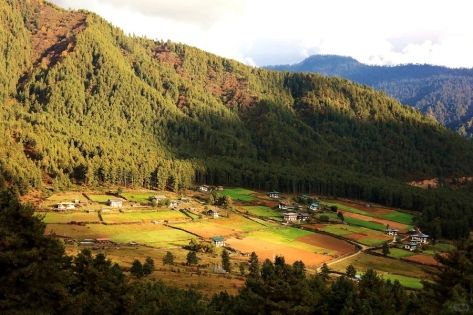
Phobjikha Valley, Bhutan
A Bhutan Tour Can Offer a More Meaningful Cultural Experience
Travel value is not always about how many places you visit. Sometimes, it comes from how well you understand them.
In Bhutan, cultural experiences can take many forms: visiting a traditional monastery, walking through a village, observing local religious practices, learning about handicrafts, or attending a festival.
For example, Paro Tshechu and Thimphu Tshechu are major religious festivals known for masked dances and traditional ceremonies. If the dates match your travel plans, attending one can provide a memorable insight into Bhutanese culture.
Festival trips require careful timing because dates follow the Bhutanese calendar and vary each year. Accommodation and transportation may also be in higher demand around major events.
Even outside festival periods, spending time at a local market or visiting a traditional arts institution can add depth to the journey.
How Many Days Should You Spend in Bhutan?
The length of your trip affects both the overall budget and the experience you get in return.
- Five to six days can be enough for a first visit focused on Paro, Thimphu, and Punakha. You can explore major cultural sites, enjoy mountain scenery, and allow time for the Tiger’s Nest hike.
- Seven to nine days gives you more flexibility. You can slow down the pace, spend more time in the valleys, or include another destination such as Phobjikha, depending on road conditions and your interests.
- Ten days or more may be suitable if you want to explore additional regions, attend a festival, or include longer hikes and more remote destinations.
A longer trip costs more overall, but it can offer better value per travel day if you want to avoid rushing between attractions. On the other hand, a short, well-designed itinerary may be the best choice if you have limited vacation time.
The goal is to choose enough days to enjoy the experience without adding destinations simply to make the trip longer.
Is a Private Bhutan Tour Worth the Extra Cost?
A private tour is often worthwhile for travelers who value comfort, flexibility, and a schedule tailored to their interests.
With a private vehicle, you can arrange hotel pickups, make stops along scenic roads, and adjust the pace within the agreed itinerary. This can be especially helpful for families, couples, photographers, and travelers who prefer not to follow a fixed group schedule.
A private guide can also spend more time explaining the places that interest you most.
However, private tours generally cost more than sharing transportation and services with other travelers. If keeping the budget low is your main priority, a suitable small-group tour may offer better value.
When comparing options, look beyond the per-person price. Consider the size of the group, vehicle type, accommodation level, included services, and how much flexibility the package provides.
Who Will Find a Bhutan Tour Most Worthwhile?
Bhutan is not necessarily the best choice for every type of traveler, but it can be especially rewarding for people who value certain experiences.
- Culture and history enthusiasts will appreciate the monasteries, dzongs, traditional architecture, and religious festivals.
- Nature lovers and photographers can enjoy mountain views, forested valleys, rivers, and distinctive rural landscapes.
- Couples may appreciate the combination of peaceful valleys, cultural attractions, and scenic drives.
- Families can build a varied itinerary around cultural visits and nature, although the Tiger’s Nest hike should be assessed according to each family member’s abilities.
- Travelers seeking a slower journey may find Bhutan appealing because its highlights are often best enjoyed with time to observe and understand rather than rushing from one attraction to the next.
On the other hand, travelers whose main priorities are nightlife, extensive shopping, or the lowest possible travel costs may find other destinations a better fit.
How to Get the Best Value From a Bhutan Tour
A worthwhile trip does not necessarily have to be the most expensive one. The key is to match your spending with what you actually want to experience.
Choose a route that fits your interests. If you love architecture and Buddhist culture, prioritize the major dzongs and monasteries. If you prefer nature, look for an itinerary with mountain passes, valleys, and scenic stops.
Check what is included. Compare accommodation, transportation, meals, guide services, entrance fees, and applicable government charges.
Avoid unnecessary transfers. A compact route can reduce time on the road and leave more time for sightseeing.
Book around confirmed festival dates. If a festival is important to you, make sure your itinerary overlaps with the specific ceremonies you want to see.
Choose the right travel style. A private tour may offer more flexibility, while a small-group tour can spread certain costs among several travelers.
Allow enough time at major attractions. It is better to enjoy a few places properly than to rush through many sites without understanding their significance.
Is a Bhutan Tour Worth the Cost?
Whether Bhutan is worth the cost ultimately depends on what you want from a trip. It may not be the cheapest destination in Asia, but it offers a distinctive combination of Himalayan landscapes, Buddhist heritage, traditional architecture, and cultural experiences.
The value becomes clearer when you look beyond the cost of individual attractions. You are paying not only for accommodation and transportation, but potentially for local guiding, a well-organized route, and the opportunity to understand a country with a strong cultural identity.
For travelers who enjoy history, nature, and meaningful cultural encounters, Bhutan can justify the investment. The key is to choose a realistic itinerary, understand the full cost before booking, and prioritize the experiences that matter most to you.
A thoughtfully planned trip does not need to cover every corner of the country. Sometimes, a few days spent exploring Paro, Thimphu, and Punakha at a comfortable pace are enough to understand why Bhutan leaves such a lasting impression.